
70 years on and young voices keep the fight for women’s rights alive
At the Apartheid Museum, a debate marking 70 years since the 1956 Women’s March brought young people and public figures together to examine what women’s liberation requires in modern South Africa.
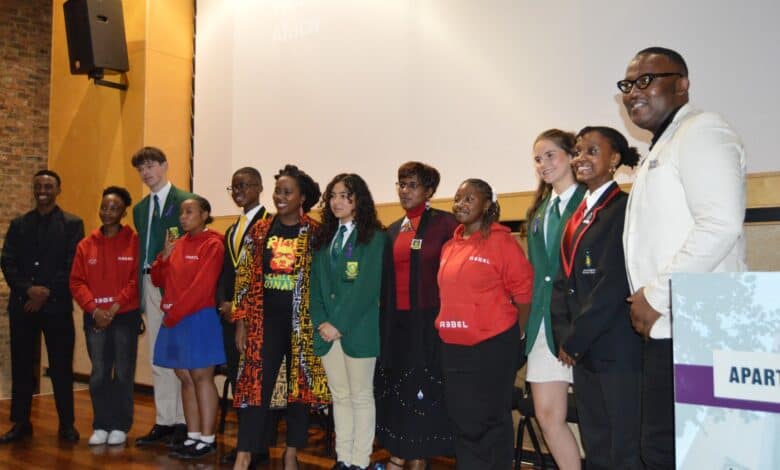
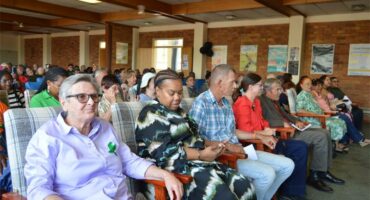
Young debaters gathered at the Apartheid Museum in Johannesburg to mark the 70th anniversary of the 1956 Women’s March and explore a question that remains important in South Africa today: should women’s liberation begin with economic empowerment or political representation?
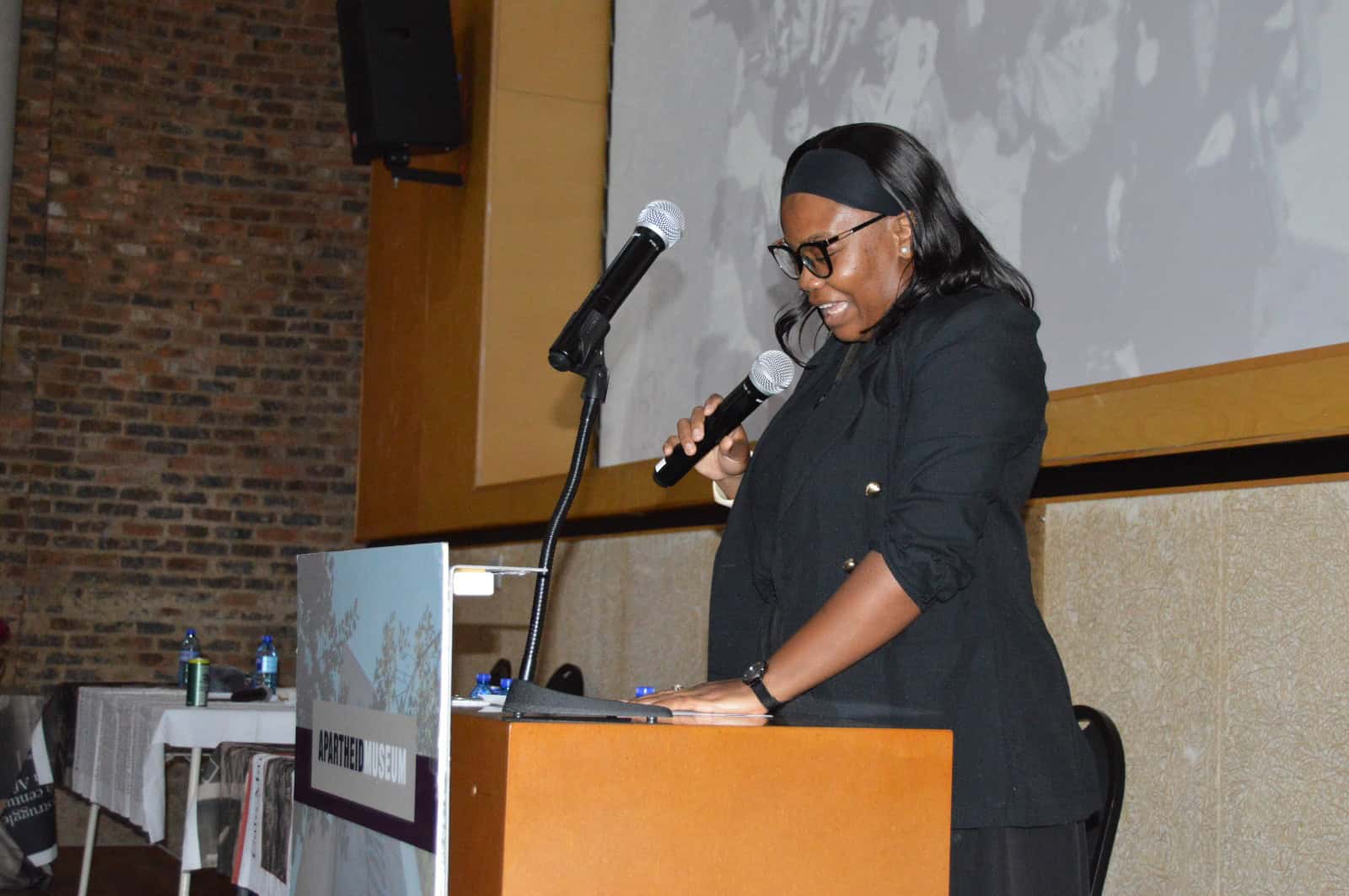
The event was attended by Gauteng MEC for Economic Development Vuyiswa Ramokgopa and Deputy Public Protector Advocate Dinkie Dube, who joined young people, members of the Johannesburg Student Council, Junior Mayor Ndivhuho Nthangeni and other guests to reflect on the progress and challenges of women’s liberation.
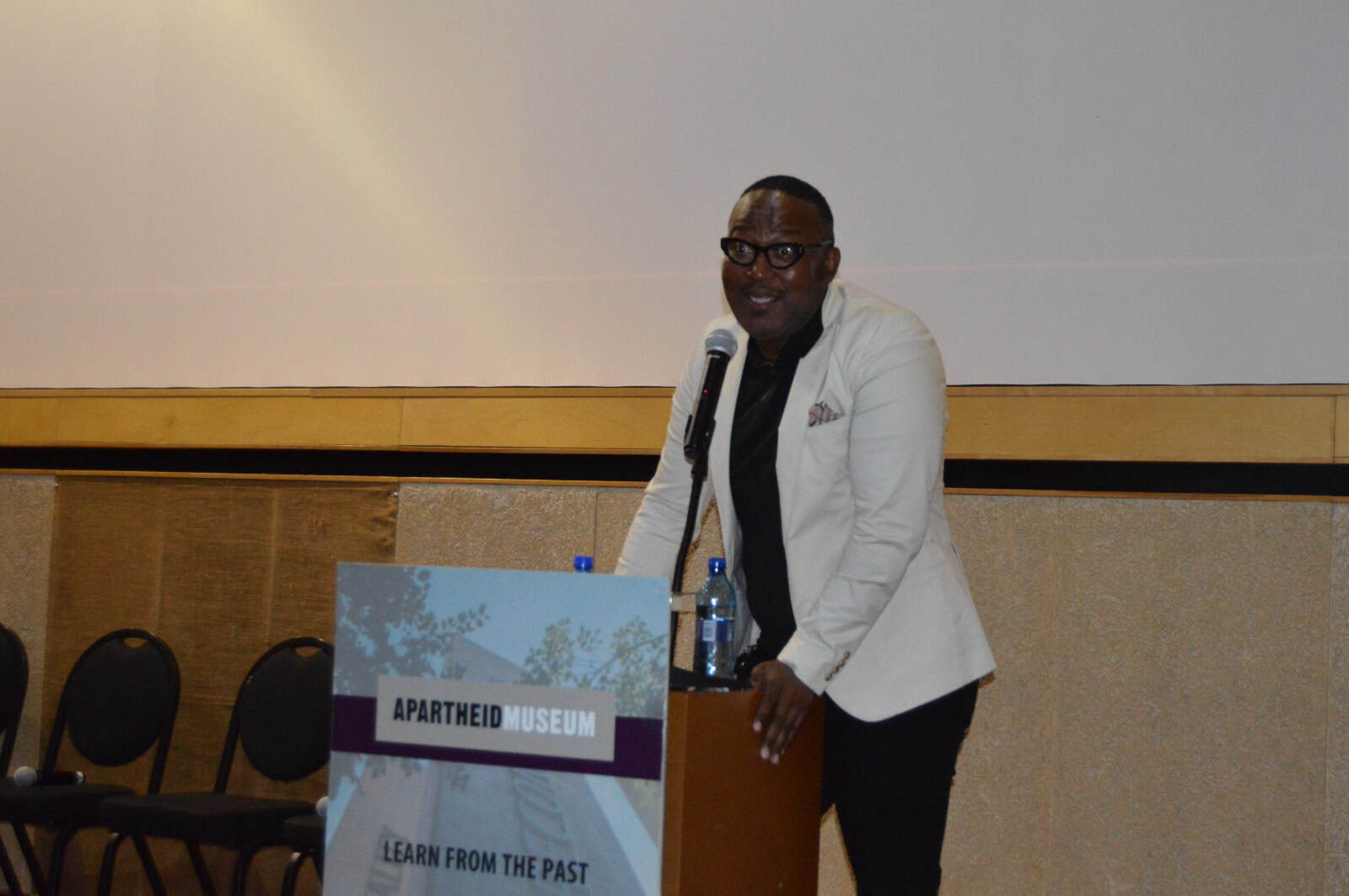
Moderated by renowned broadcaster Bongani Bingwa, the debate brought together the South African Debating Team and the Soweto Debating Academy for a lively exchange of ideas on how women can achieve greater freedom, equality and empowerment.
The programme opened with a historical documentary featuring images of women’s resistance leaders, including Lillian Ngoyi, Helen Joseph, Rahima Moosa and Sophia Williams-De Bruyn.
Political representation gives women a voice
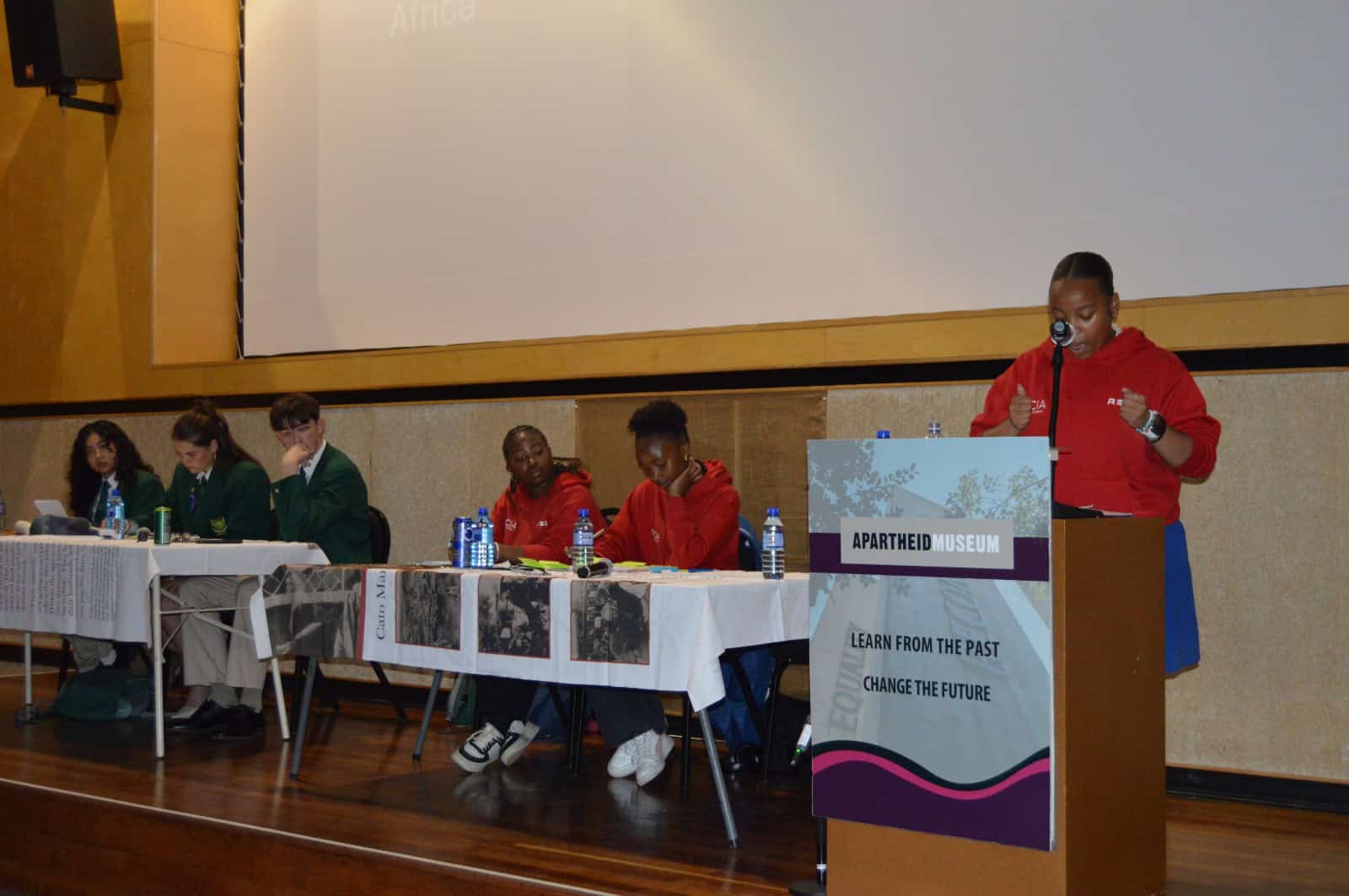
The Soweto Debating Academy argued that political representation was essential to achieving lasting economic freedom. Its team, represented by Ntando Thebe, Zamazizi Mthanti and Karabo Mofokeng, maintained that elected leaders could help create and protect opportunities for women.
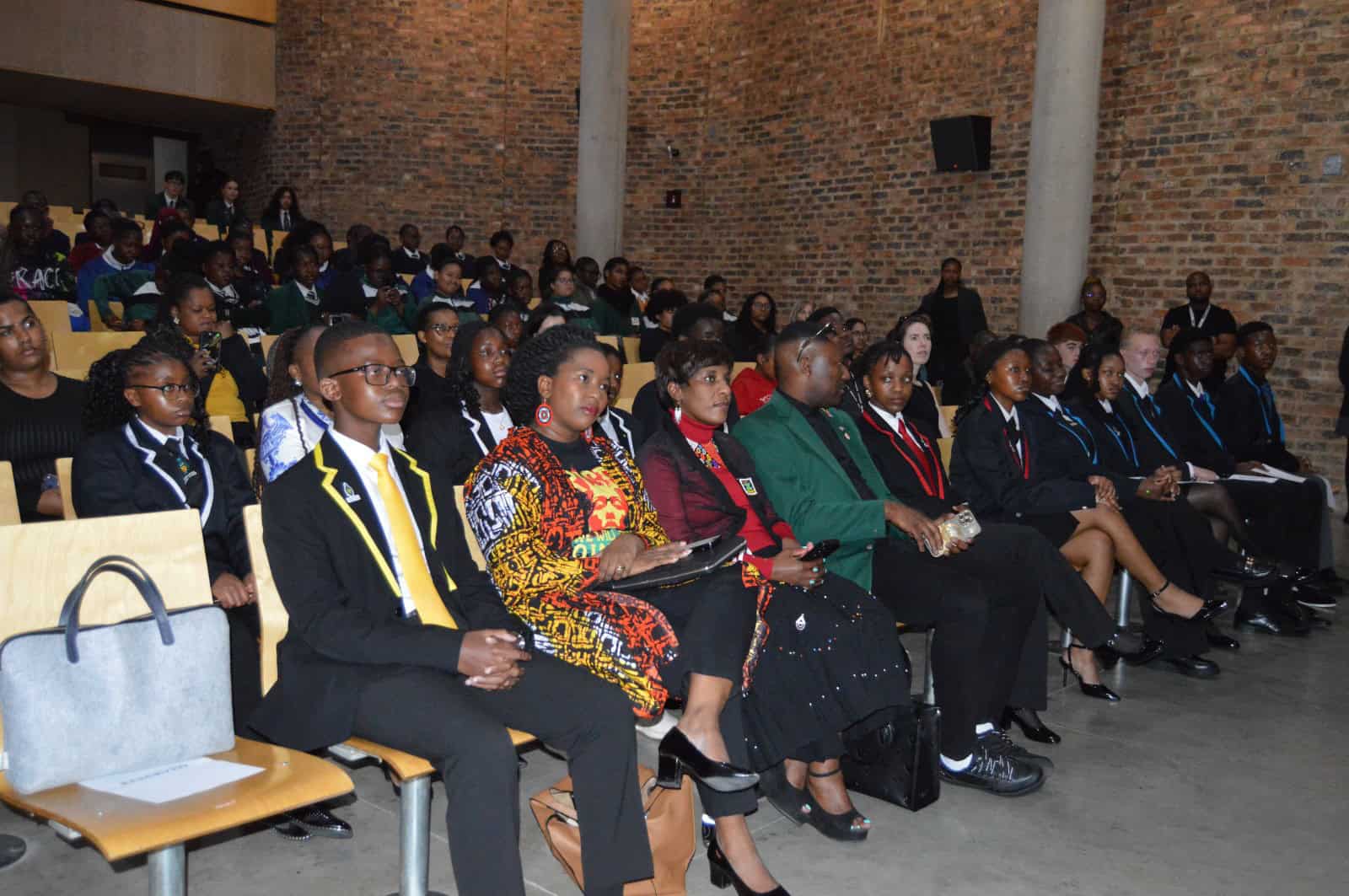
The team argued that political power gave women a collective voice, particularly those without jobs, businesses or a stable income. Without representation, they questioned who would decide the conditions under which economically empowered women lived and worked.
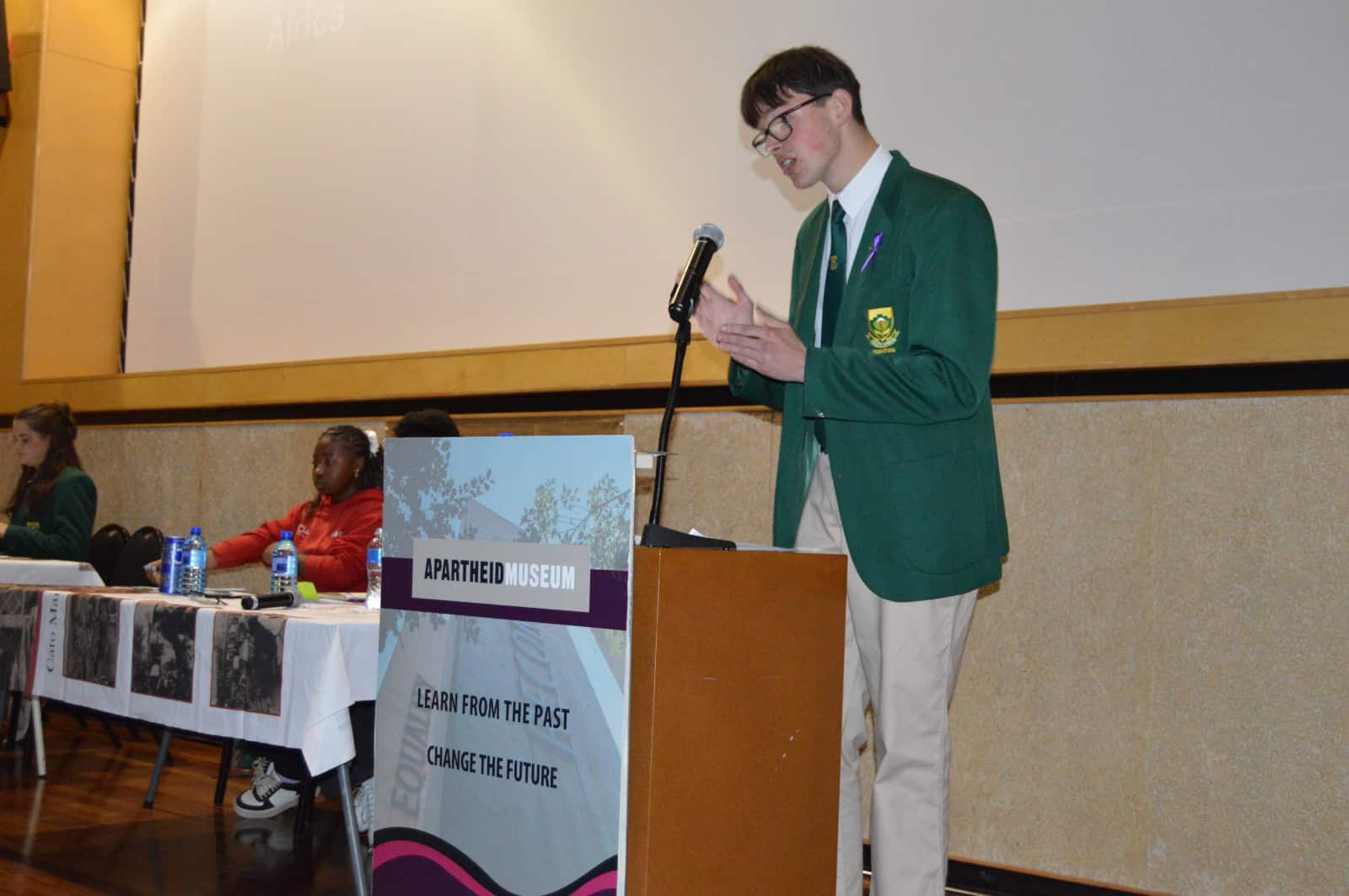
The South African Debating Team, comprising Adrian Etzinger, Kimiya Ghaheri and Lucy Blades, supported the motion that economic empowerment should take priority.
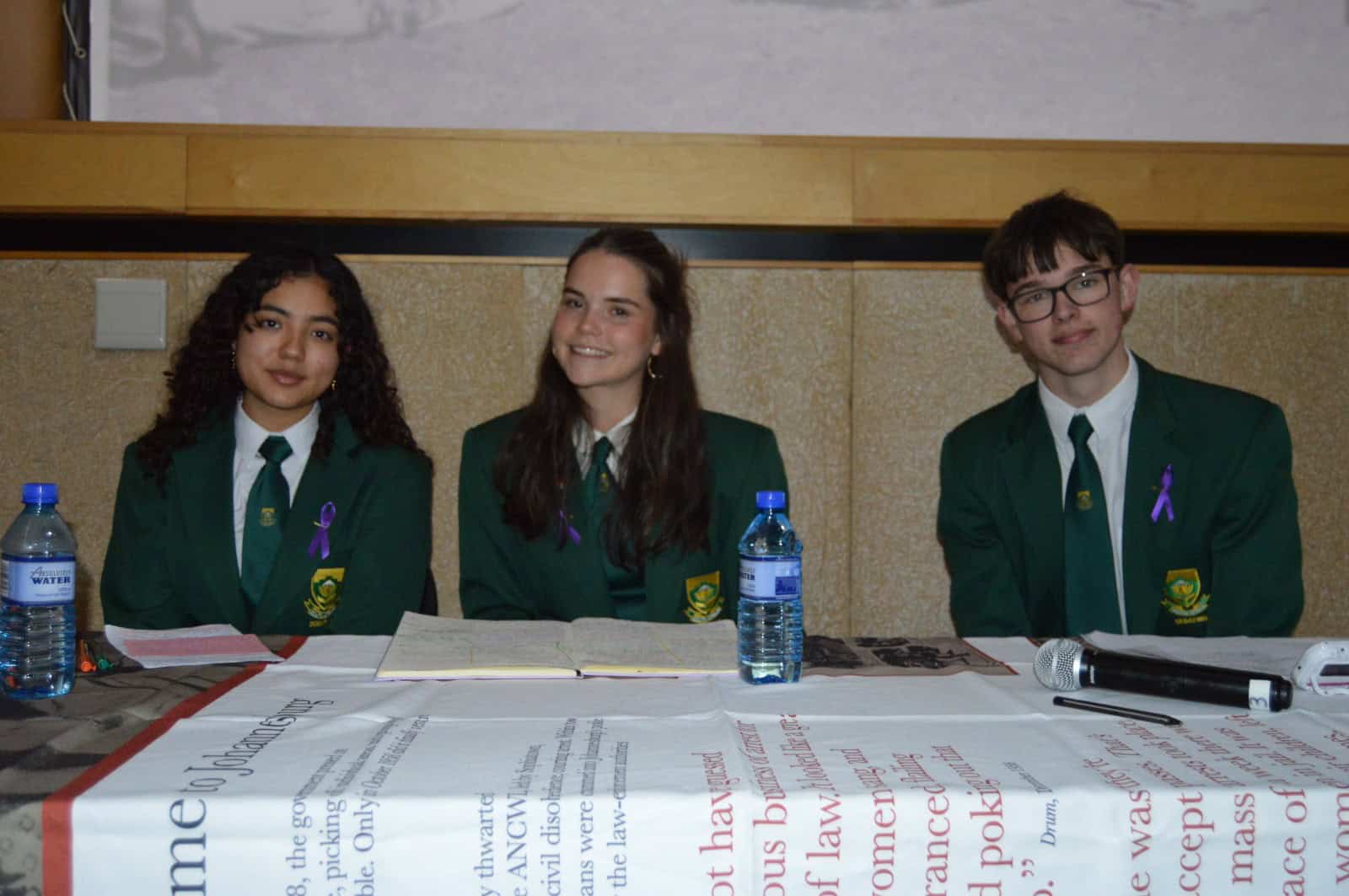
The team argued that financial independence gave women choices, including the ability to leave abusive relationships and support themselves.
It also highlighted how successful women in leadership positions could challenge harmful beliefs about women being weak or inferior. Ghaheri argued that women’s success in professions such as medicine, academia and business could help change society’s perceptions of their abilities.
Constitution connects economic and political rights
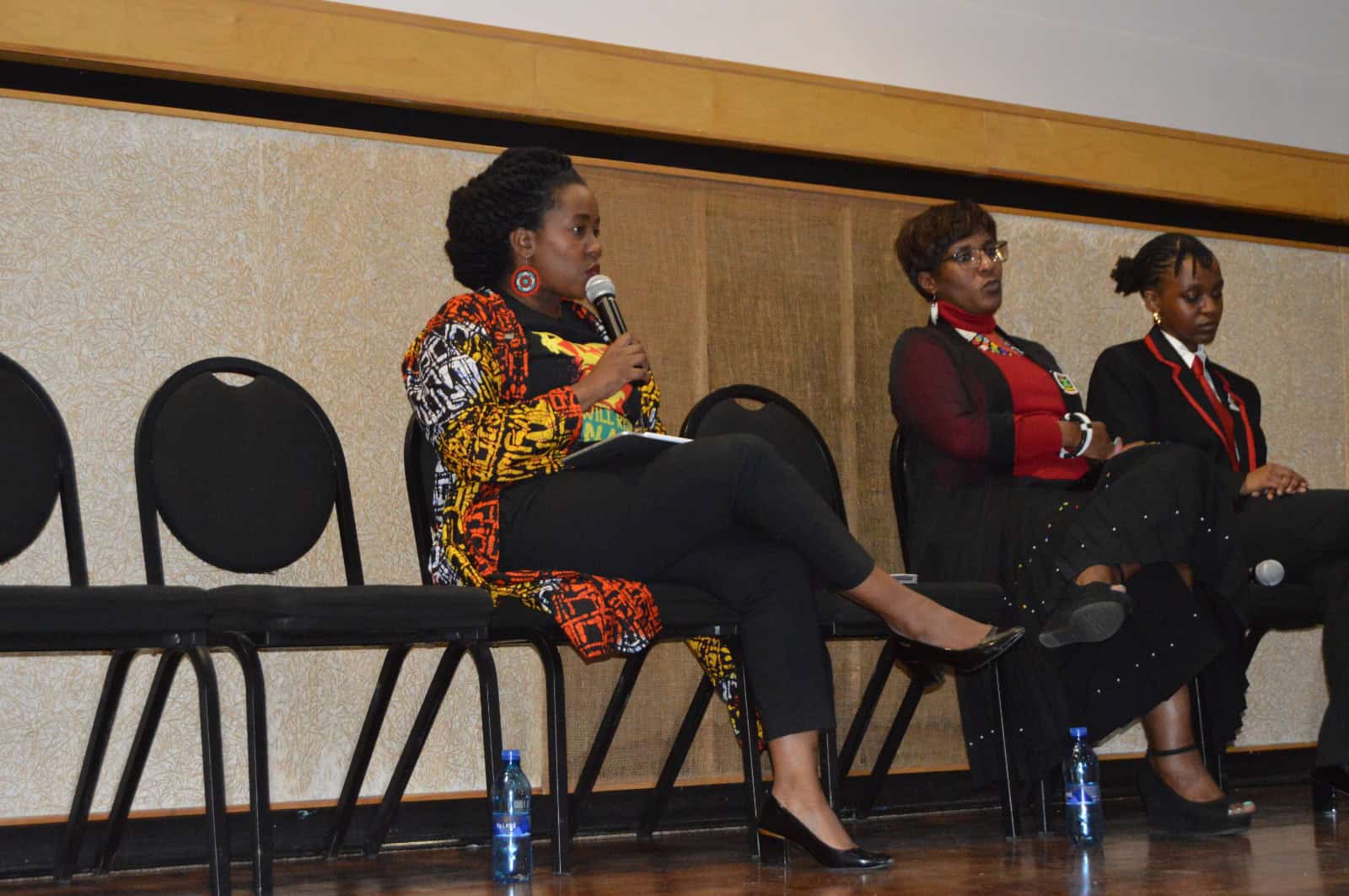
Following the debate, Dube and Ramokgopa shared their views during a panel discussion.
Ramokgopa stressed that political representation did not always guarantee real influence. “Political representation doesn’t translate to political power,” she said, adding that economic power could not be secured without a supportive political framework.
Dube argued that women should not have to choose between economic and political rights. Speaking from a constitutional perspective, she said: “Whether you say the priority is economic rights or whether you say the priority is political rights, they both go hand in glove.” She highlighted court judgments that had strengthened women’s rights to inherit property, access traditional leadership and receive protection in the workplace. Dube also pointed to the continued challenges of poverty, unemployment and inequality, despite progress in women’s political representation since 1994.
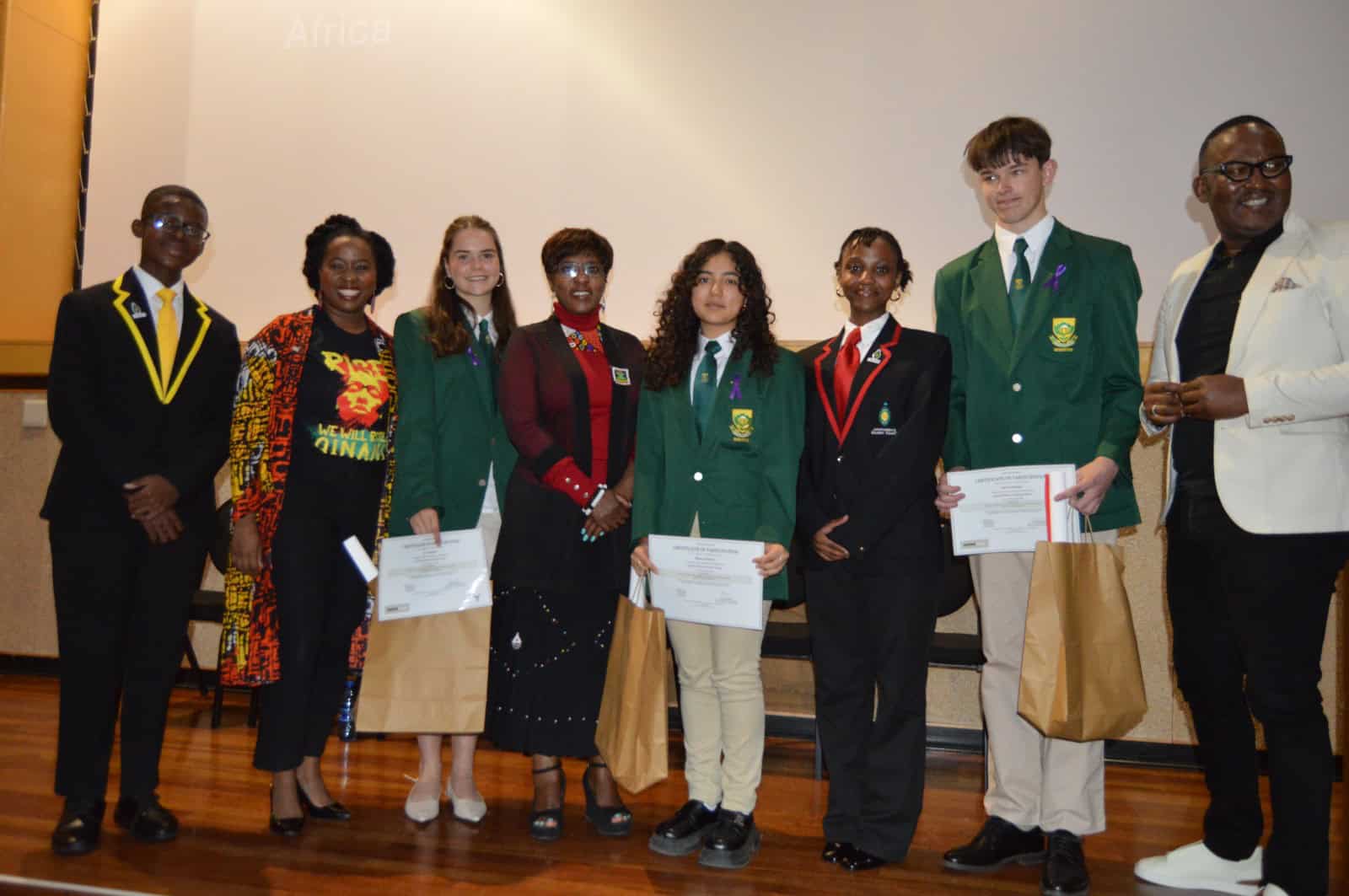
The deputy public protector challenged women in leadership to take responsibility for the power they hold. She urged them to move beyond seeing themselves as victims and to use their positions to bring meaningful change. Both debating teams received certificates and gifts at the conclusion of the event.
The debate showed that women’s liberation requires more than one solution. Economic independence can give women greater freedom, while political representation can help protect their rights. Together, these forces remain essential to building a more equal South Africa.