
R45m weather predicting system to be launched in Merebank
A team of international researchers are collaborating on a R45 million project to develop an improved early weather warning system.
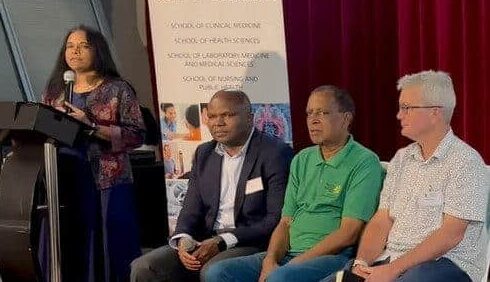
MEREBANK, Isipingo and Umgababa have been selected as pilot sites for groundbreaking research and the implementation of a predictive early warning system for extreme weather.
Also read: Calls for an urgent upgrade as sinkhole widens in Merebank
This initiative follows the devastating 2022 floods that battered the region from Merebank to northern Ugu District Municipality.
The Warning system for Extreme weather events, Awareness Technology for Healthcare, Equitable delivery, and Resilience (WEATHER) project leverages Artificial Intelligence to create an early warning system aimed at boosting disaster preparedness, strengthening healthcare resilience, improving public health responses in high-risk areas, and training healthcare professionals in disaster response.
Spearheaded by the University of the West of Scotland, the University of KwaZulu-Natal (UKZN), the Royal College of Surgeons in Ireland, and the University of Portsmouth, the WEATHER project is backed by over R45 million in funding from the National Institute for Health and Care Research. At the helm are UKZN’s Professor Saloshni Naidoo and Professor Mary Lynch from the Royal College of Surgeons in Ireland, leading a dedicated team of 13 researchers.
Sensors will be deployed in the designated areas to monitor climate indicators, transmitting data to a cloud-based system. A mobile app will then deliver real-time alerts via instant messaging, keeping communities informed and prepared.
According to the research team, climate change has made KZN’s weather increasingly unpredictable, disrupting communication, causing severe flood damage, limiting access to clean water, and triggering infectious disease outbreaks.
“A predictive warning system would enable communities and health systems to better prepare for and manage risks associated with weather-related flooding,” the team’s research paper states.
Also read: Growing frustrations over uncut grass in Merebank
The system will integrate historical climate data from the South African Weather Service, water quality reports from eThekwini and Ugu municipalities, and health records from the KZN Department of Health to forecast potential flooding and associated health risks.
Speaking at the project launch at UKZN which took place from February 3-7, Professor Naidoo said once fully developed, this system could be expanded nationwide.
For more Southlands Sun news, follow us on Facebook, Twitter and Instagram. You can also check out our videos on our YouTube channel or follow us on TikTok.
Subscribe to our free weekly newsletter and get news delivered straight to your inbox.