
Benefits of the indigenous South African vegetable Amadumbe
The amadumbe is one of the indigenous vegetables that are grown in South Africa and has significant benefits as opposed to regular potatoes.
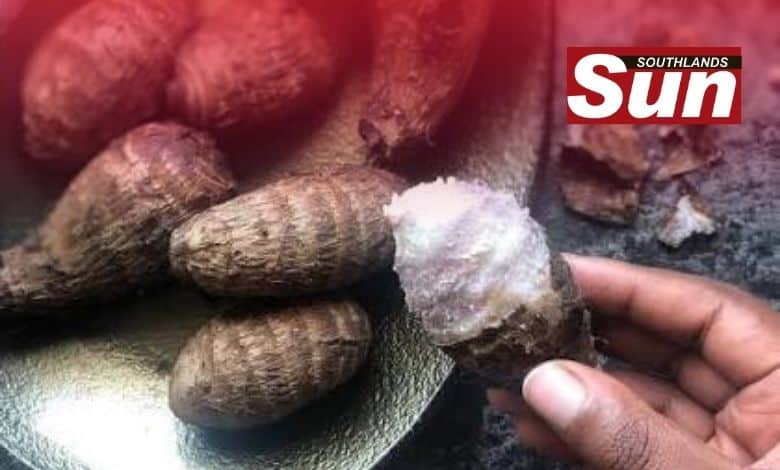
POTATOES have been the staple of many South African homes for a long time, but people seem to forget about its indigenous copy that packs just as much nutritional value and offers more versatility.
Also read: Important food for Comrades runners and recovery
The amadumbe, often referred to as the “potato of the tropics”, is a traditional root crop and not related to the real potatoes. The vegetable goes by many names including mughongwe, madumbis, taro, dasheen or its scientific name of Colocasia esculenta.
Journey to South Africa
The vegetable was originally growing in South-East Asia for more than 6000 years but was introduced to parts of Southern Africa via Portuguese traders during the 1500s and the Indian indentured labourers later on.
It is largely cultivated in other West African countries like Cameroon, Nigeria and Ghana, which make up 90% of the commercial production of the amadumbe. But locally the amadumbe has grown synonymous with KZN and other provinces, where it has traditionally been grown by subsistence farmers.
The benefits of amadumbe
For many South Africans, the nutritional benefits of the vegetable serve as its biggest attractions.
- The amadumbe is high in carbohydrates (low GI) and has more protein and amino acids than any other root crop. It has 9% protein compared to potatoes 1.9% and sweet potatoes 1.7%.
- The vegetable is also rich in fibre, magnesium, potassium, iron, vitamin A, vitamin B1, vitamin B2 and vitamin C
How to eat it
While it boasts great nutritional value, it also carries a lot of versatility in the kitchen that has allowed it to become an easy vegetable for South Africans to cook with.
Amadumbe, similarly to potatoes, can be boiled, roasted or grilled and served as mash, chips or incorporated into stews. The leaves, and sometimes the stems, are sometimes prepared like spinach. In the KZN Indian community, the amadumbe leaves were also incorporated into traditional dishes like puri patha.
The vegetable is being used now more than ever in more unqiue ways such as chips, curry flakes and pizza bases.
A growing interest
With an increasing interest in traditional foods and exploring various cultures, the amadumbe has become one of the vegetables to look out for as a healthy locally produced crop.
For more Southlands Sun news, follow us on Facebook, Twitter and Instagram. You can also check out our videos on our YouTube channel or follow us on TikTok.
Subscribe to our free weekly newsletter and get news delivered straight to your inbox.