
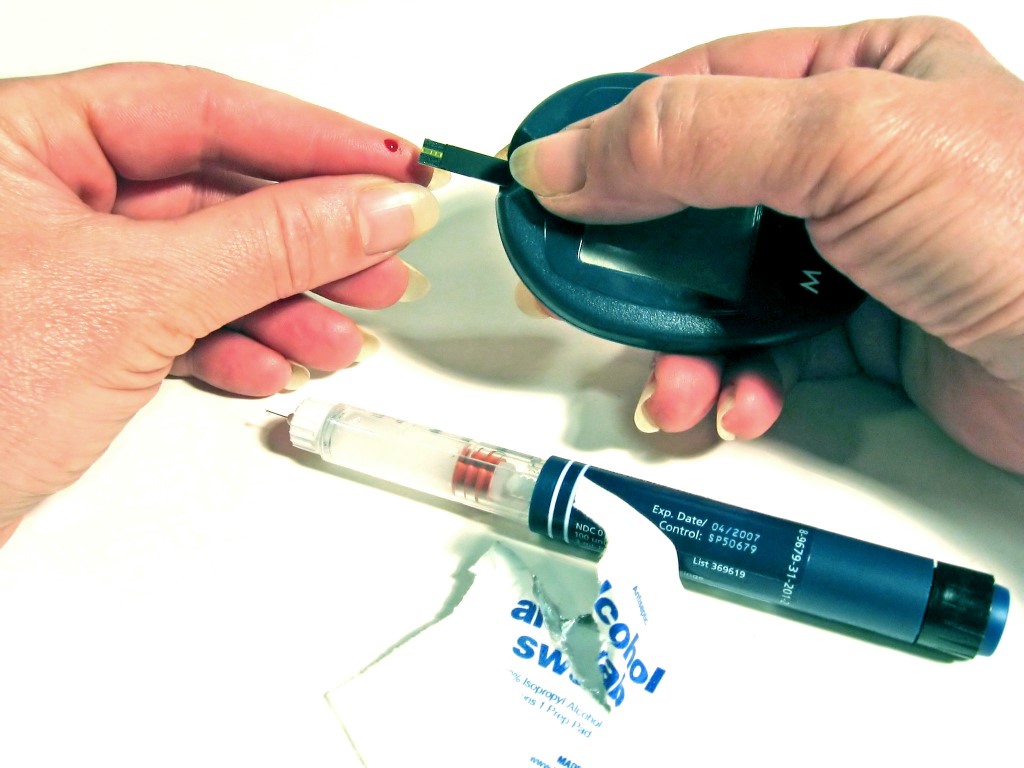
World Diabetes Day will be celebrated on November 14 and during this time various health organisations will be teaching residents on this illness and urging locals to get tested.
According to the Diabetes South Africa, there are three main types of diabetes that can affect an individual.
Type one diabetes occurs when the pancreas stops producing insulin.
It usually starts in young people under the age of 30, including very young children and infants, and the onset is sudden and dramatic.
People who have type one diabetes must inject insulin to survive.
Insulin dosages are carefully balanced with food intake and exercise programmes.
Type two diabetes is caused when the insulin, which the pancreas produces, is either not enough or does not work properly.
About 85 to 90 percent of all people with diabetes are type two and many people who have this condition are undiagnosed.
Most type twos are over the age of 40, they are usually overweight and do not exercise.
Type two diabetes may be treated successfully without medication.
Often loss of weight alone will reduce glucose levels, but eating patterns and exercise play important roles in management.
Tablets may be prescribed to help improve control, however, many type twos will eventually use insulin.
Although type two is, in itself, not life threatening, in many ways it is more dangerous than type one, as its onset is gradual and hard to detect.
High blood glucose levels over a long period of time can cause serious damage to the delicate parts of the body and lead to blindness, heart attack or stroke, kidney failure, impotence and amputation.
Gestational diabetes is a temporary condition that occurs during pregnancy where both mother and child have an increased risk of developing diabetes in the future.