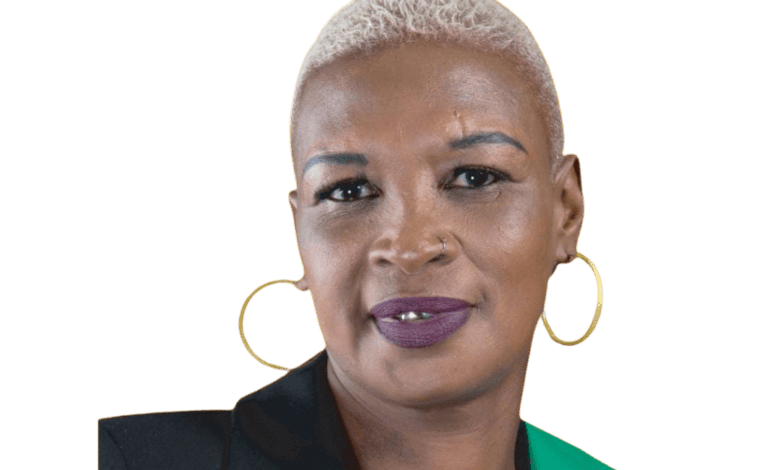
Elections 2026: Zaida Krauser shares ANC’s plans to improve Ward 18
Ward 18 ANC candidate Zaida Krauser shares her vision for Eldorado Park, outlining measures for local youth empowerment, crime reduction and transparent spending.
The 2026 local government elections are looming, and political party structures on the ground are visibly campaigning in an attempt to persuade voters in various communities across the country.
With the elections taking place in three weeks, residents have a responsibility to choose who will represent them in council as they prepare to vote on November 4.
Soweto Urban shared a set of questions with various political parties in Eldorado Park to help residents understand what the parties’ mandates are for residents in their respective wards.
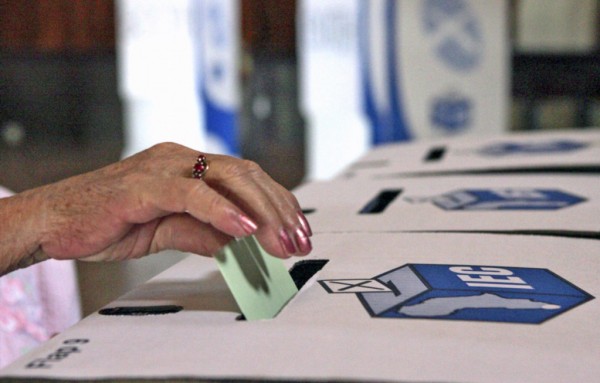
ALSO READ: IEC outlines voting assistance for people with disabilities in 2026 elections
Zaida Krauser, Ward 18 ANC councillor candidate
Q1: What are the three biggest challenges currently facing your ward, and how will you address them?
A: “Inconsistent basic services like water interruptions, electricity outages, and delayed and uncollected waste. As well as crime and unsafe streets due to dark streets, unemployment, and lack of visible policing. We also have deteriorating infrastructure with potholes, blocked drains, sewage spills, and illegal dumping.”
“My approach is to fix the reporting chain. I will have a weekly ward service log, follow up directly with the municipal departments, and give residents a WhatsApp reporting number. I will provide a monthly feedback report on what was logged, fixed, and still pending.”
Q2: How will you improve basic service delivery such as water, electricity, refuse removal, and road maintenance?
A: “Push for a fixed refuse collection schedule and immediate replacement for missed collections. Engage with Joburg Water and City Power to note repeat fault areas and request preventative maintenance, not just reactive fixes.”
“I will create a ward-based team of community liaison volunteers to report leaks, burst pipes, and illegal connections within 24 hours.”
“Quarterly clean-up and road patching campaigns with the municipality and local EPWP workers.”
Q3: What specific plans do you have to improve community safety and reduce crime in the ward?
A: “Reactivate the CPF and street patrollers using proper vetting methods and support.”
“I will lobby for the repairs of all non-working streetlights and high-mast lights as a safety priority.”
“Organise youth safety programmes, sports, and skills workshops after school to keep young people engaged. I will introduce monthly safety meetings with SAPS, JMPD, and ward stakeholders to track crime hotspots.”
Q4: How will you ensure that residents are kept informed and involved in decisions affecting the community?
A: “Implementing monthly ward meetings at different venues in the ward. The minutes will be shared on WhatsApp groups and notice boards.”
“I will have an open-door policy once a week where residents can bring issues without appointments.”
“We will have a ward WhatsApp broadcast and suggestion box at clinics and libraries. No decision about projects will be made before community consultation.”
ALSO READ: Mashaba urges Soweto residents to vote in local government elections
Q5: What will you do to support local businesses, informal traders, and job creation in the ward?
A: “I will create a database of local businesses, informal traders, and unemployed youth to link them to opportunities in the City. I will fight for proper trading spaces with water, toilets, and shelter for informal traders.”
“Bring SEDA, NYDA, and Department of Labour workshops to the ward to help with business registration, funding, and drafting CVs.”
“To deal with unemployment, I will prioritise local hiring for ward projects, EPWP, Jozi@Work, and municipal maintenance for people within the ward.”
Q6: How will you improve conditions in informal settlements and underserviced areas within the ward?
A: “Advocate for interim services like chemical toilets cleaned on schedule, standpipes maintained, and refuse removal weekly.”
“Push for safe and legal electrification of informal settlements and for de-densification and formalisation where the City has planned for it. And ensure these areas are included in every ward project.”
ALSO READ: New disinformation code introduced ahead of local government elections
Q7: What is your plan to address infrastructure problems such as potholes, sewage spills, streetlights, and illegal dumping?
A: “Keep a geotagged photo register of every pothole, spill, and damaged streetlight and log it with a reference number. I will work with the depot to enforce a seven-day turnaround for sewage spills due to health risks.”
“I will identify three to four chronic illegal dumping spots and convert them into green spaces or use monitored skips in affected areas with the community monitoring them. We will have monthly walk-abouts with municipal officials to inspect progress.”
Q8: How will you ensure municipal funds allocated to the ward are spent transparently and effectively?
A: “I will publish all ward budget allocations, projects, and ward committee spending on community notice boards and WhatsApp groups. I will not sign off on projects that I have not visited or verified.”
“I will invite community members to monitor projects and give quarterly financial feedback in public meetings. There will be zero tolerance for corruption; any misuse will be reported to the City and residents.”
ALSO READ: Online misinformation in focus ahead of South Africa’s local elections
Q9: What programmes or initiatives would you introduce for young people, women, and vulnerable residents in the community?
A: “For the youth, we will have various initiatives including after-school programmes that help learners with homework support, sports, digital literacy, and job readiness training.”
“For women, we will initiate support for women-owned cooperatives, have GBV awareness campaigns, and fast referrals to shelters and social workers.”
“For the elderly and disabled, we will do home visits, assist with SASSA issues, and ensure that clinics and halls are accessible.”
Q10: If elected, how will residents be able to hold you accountable and measure your progress over the next five years?
A: “I will sign a public service pledge with five measurable goals for five years. We will have quarterly report cards to reflect on what was promised, what was done, and what is outstanding.”
“My phone and meeting times will remain public. If I fail to deliver, residents can recall me through formal municipal processes and the ballot. I will not disappear after the elections; you will see me in the streets, not just in meetings.”