
How to recognise early signs of fatty liver disease
People who are at risk of fatty liver disease include those with obesity and high cholesterol.
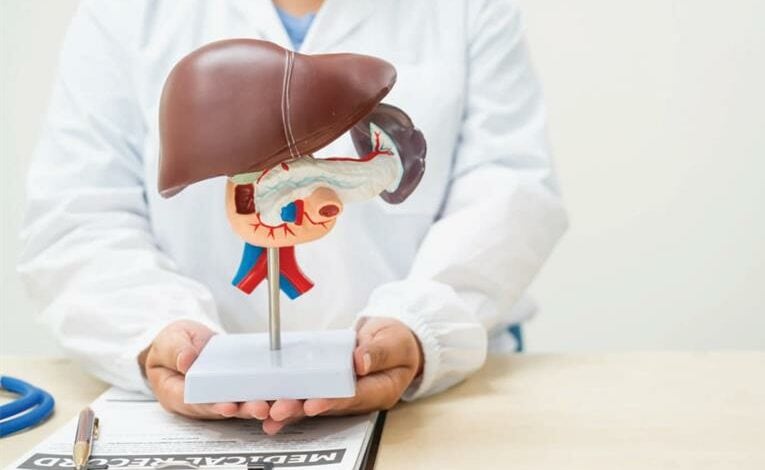
Affinity Health reveals vital clues on how to spot early warning signs of fatty liver disease.
Fatty liver disease is a growing health concern worldwide, affecting millions of people.
With a current global population of 8 billion, the number of people affected is estimated to be 25%. This takes the number to two billion worldwide.
This condition occurs when excess fat builds up in the liver, leading to inflammation and potential liver damage if left untreated.
ALSO READ: Gauteng Health MEC visits newborn babies at Baragwanath Hospital
“WebMD states that fatty liver disease often develops without noticeable symptoms, especially in its early stages, making it easy to overlook,” says Murray Hewlett, CEO of Affinity Health.
“Recognising early warning signs is essential for timely diagnosis and treatment, helping to prevent the condition from becoming more serious.”
Why early detection is important
Detecting fatty liver disease earlier is critical to preventing more liver damage and possibly reversing the condition. With early diagnosis, lifestyle changes such as a healthier diet, more physical activity, and managing issues such as diabetes can help control and even reverse fatty liver disease.
Early warning signs of fatty liver disease
Fatty liver disease often develops without noticeable symptoms, especially in the early stages. However, there are subtle signs that could indicate early liver issues.
1. Fatigue and low energy
One of the most common signs of fatty liver disease is fatigue. When the liver isn’t functioning correctly, the body has to work harder to perform basic tasks, which can lead to persistent feelings of tiredness and low energy levels.
2. Discomfort in the upper right abdomen
The liver is located in the upper right side of the abdomen. If it becomes enlarged due to fat accumulation, it can cause discomfort or a dull ache in this area. Some may describe it as a constant, mild pressure rather than sharp pain.
ALSO READ: Gauteng Health MEC visits newborn babies at Baragwanath Hospital
3. Unexplained weight loss or appetite loss
While fatty liver disease is often associated with weight gain and obesity, some individuals may experience unexplained weight loss or a reduced appetite in the early stages.
If you’re losing weight without trying or finding it hard to eat, it may be a sign that your liver is not functioning correctly.
4. Weakness or muscle loss
Alongside fatigue, some individuals with fatty liver disease may notice general weakness or muscle loss. This can happen because a compromised liver struggles to store and process nutrients effectively, impacting overall muscle health.
5. Elevated liver enzymes
Although not a symptom one can feel, elevated liver enzymes (found through blood tests) can be an early indicator of fatty liver disease. High liver enzyme levels, such as ALT and AST, may suggest inflammation in the liver. It’s important to speak with a healthcare provider if blood test results show elevated liver enzymes, mainly if other risk factors exist.
Who is at risk?
Certain factors can increase the risk of fatty liver disease, including:
• Obesity: Extra body fat, especially around the stomach, raises the risk.
• Type 2 Diabetes: High blood sugar can cause fat to build up in the liver.
• High cholesterol and triglycerides: High blood fat levels are linked to fatty liver.
• Metabolic syndrome: A mix of high blood pressure, extra body fat, and abnormal cholesterol strongly associated with fatty liver disease.
• Excessive alcohol use: For alcoholic fatty liver disease, heavy alcohol use is a significant risk.
What you can do
While early signs of fatty liver disease may be subtle, improving liver health can make a difference.
• Eat a balanced, nutrient-rich diet
• Increase your physical activity
• Limit alcohol intake
• Manage underlying health conditions
• Go for regular medical checkups