Ikotlolleng Senior Club invites Diepkloof elders to join wellness and support programme
Established in 2005, the Ikotlolleng Senior Citizens Club offers companionship, health checks, and daily meals for Diepkloof seniors through prayer, exercise, handcrafts, and support services.
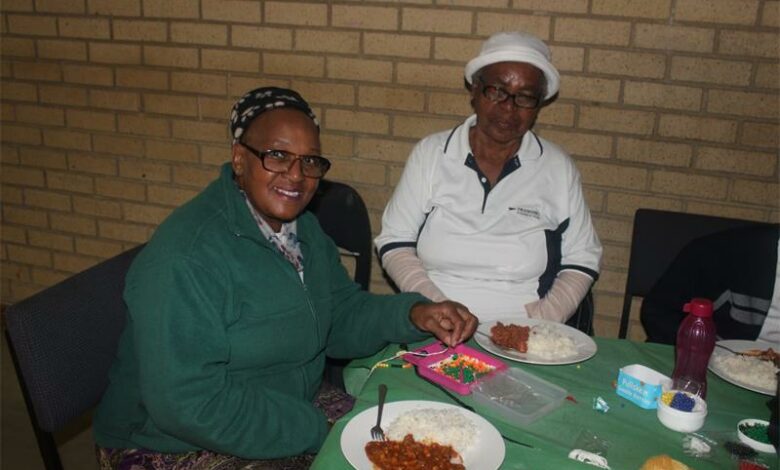
The Ikotlolleng Senior Citizens Club is inviting local elderly residents to join their weekly programme held at Diepkloof Hall.
The club was established in 2005 at the Diepkloof Clinic by a group of women suffering from arthritis who sought to support one another in overcoming various challenges.
As membership grew and the clinic could no longer accommodate them, the club moved to the hall and officially registered with the Department of Social Development in 2009 under the leadership of their first chairlady, Lidiah Ramarumu.
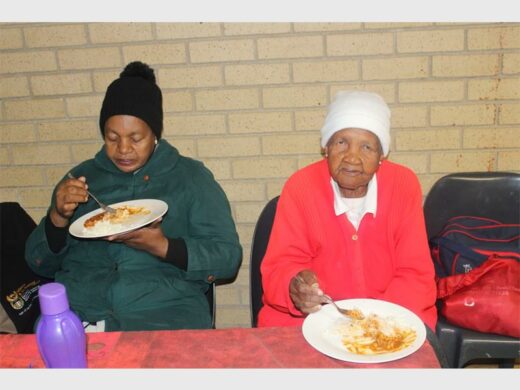
Members meet on Monday, Tuesday, Wednesday, and Friday from 09:00 to 14:00. Their day begins with prayer and exercise, followed by a warm breakfast and lunch before winding down.
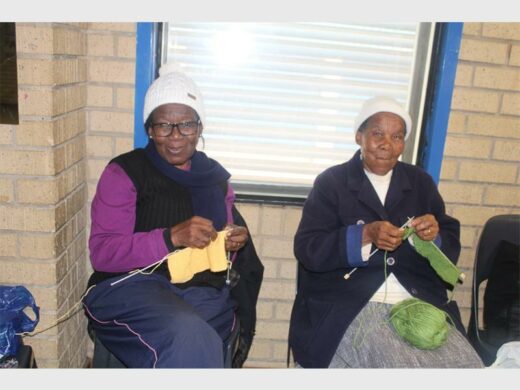
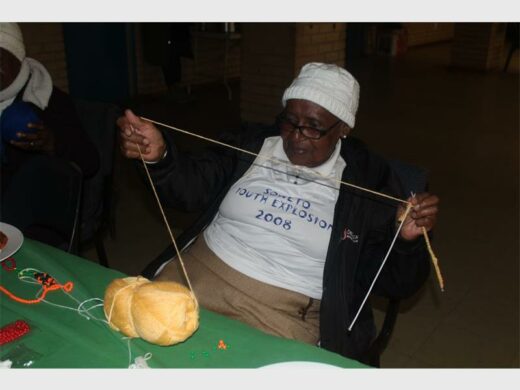
Chairperson Letlhogonolo Mokoena explained that the day does not end there. “We engage in different handcrafts, especially knitting hats, mats, and jerseys using wool.
“Sometimes, we invite specialists to motivate us and update us on current events affecting us as elderly people.”
Mokoena added that financial consultants visit to offer advice on managing and safeguarding money, while GBV activists educate members about different forms of abuse.
“As elderly people, we are often victims of abuse, sometimes even from our own children.
“The activists teach us how to work with the police and report these incidents. Healthcare workers also visit to educate us about dementia, as it is a risk factor for violence among seniors.”
Local councillors and members of the mayoral committee frequently visit the club and often donate food parcels.
“Being part of this club helps us meet others facing similar challenges and reminds us that we are not alone in our retirement years. It has created strong bonds of companionship,” said Mokoena.
Some of the challenges faced by elderly residents in Diepkloof include crime, violence, and fraud.
“We are fortunate to receive funding from the Department of Social Development due to our compliance.
When funding was cut, we each donated R20 to keep the club active. I encourage elders who stay at home to join us—it’s a wonderful initiative that benefits both physical and mental health.
“The Department of Health also visits regularly to conduct health checks and refer frail members to local clinics or hospitals.”
Membership is open to elderly residents aged 60 years and above.