
Eldorado Park activist continues fight for women and children
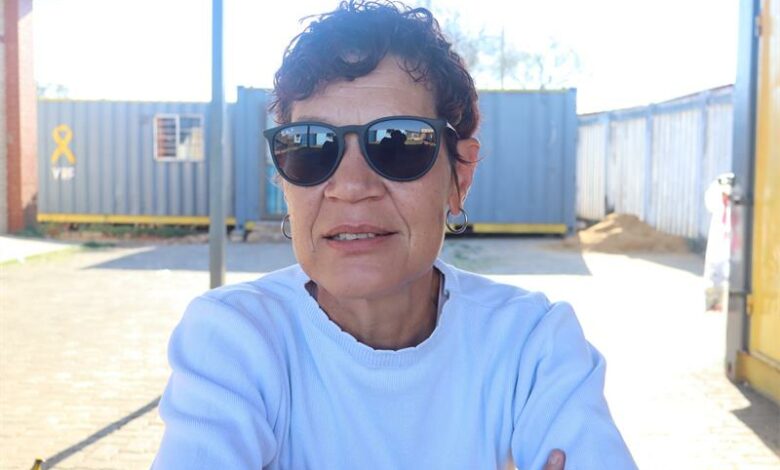
The courage of the women who marched to the Union Buildings continues to inspire Eldorado Park activist Chenelle George, whose work focuses on child protection, empowerment and restoring hope.
It has been 70 years since over 20 000 women marched at the Union Buildings to protest the pass laws, but the struggle for women’s rights is now manifesting itself in other ways.
The struggle is no longer about apartheid laws, but about gender violence, child abuse, substance abuse, and poverty. Women like Chenelle George remain committed to carrying the legacy left behind by the August 9, 1956 marchers.
A community activist from Eldorado Park, George has dedicated many years to serving the community she calls her home, with child protection being among her main areas of focus.
ALSO READ: Eldorado Park women mark three years of support and empowerment
“I am a child of the soil,” George said. “I grew up in Eldorado Park, went to school here and raised my children here. I’ve been part of this community for about 40 years.”
George said watching social challenges worsen over the years compelled her to become more actively involved.
“We complain too much as communities. Everybody says this is not happening or that is not happening, but nobody does anything,” she said.
“Government is not coming to save us. We need to save ourselves.”
Although she has always been involved in community work, George shared that participating in the national Women’s March in 2018 became a defining moment in her journey.
ALSO READ: Blue Soldiers go back-to-back as The Takeover win women’s title
“Walking alongside hundreds of thousands of women and seeing the magnitude of their pain made me realise we need to do more than march and carry posters. We need to actively bring change.”
Today, George’s work centres on protecting vulnerable children. As a certified Child Protection Ambassador, she works alongside Child Welfare, the Department of Social Development and SAPS to respond to cases of child abuse, neglect and endangerment.
Rather than simply removing children from unsafe environments, she said the goal is always to restore families where possible.
“We are not there to judge people. Poverty is real. Sometimes families need support before they need intervention. But where children are at risk, we have to act.”
For George, community activism is not only about responding to crises but also about creating opportunities that break the cycle of poverty.
One of the initiatives closest to her heart is a cellphone repair skills programme run in partnership with the Department of Correctional Services, which equips young people with technical skills, tools and support to start their own businesses.
“When you see someone’s life transformed, that’s the greatest reward. You can see the difference in a month or six months. That’s why we do this work,” she said.