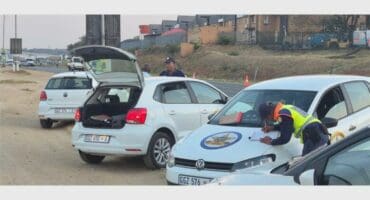
Accident advice from the pros
From a minor bumper bashing to a more serious motor vehicle collision, the bottom line is that it is simply not something anyone wants to go through.

The Addie recently asked ER24 crisis communicator Vanessa Jackson to offer our readers some advice about dealing with a car accident. Here is her advice:
Initial thoughts should you not be injured are “my car!”, “how am I going to pay for the repairs?”, “how am I going to get to work?”.
Paramedics deal with these emotions from their patients daily, and the most important message that we can convey to those who have been involved in a collision is stay calm and think clearly.
Damaged vehicles can be repaired, and arrangements can be made for alternative transport; your life and proper care of your injuries is more important than any material object.
By staying calm and thinking clearly, the chaos that ensues on the scene of the collision can be dealt with accordingly, and others on the scene that may be panicking will take comfort in your ability to stay calm. Secondly, we find that at most collisions people remove themselves from their vehicles, injured or not. It is extremely important to stay where you are should you feel any pain or unusual sensations after the impact of a collision unless a secondary life threatening situation arises, for example the vehicle starts to burn.
Bystanders also tend to encourage people to get out of the vehicle, but we strongly advise against this as any injury to the person’s back or neck may result in the injury being impacted. Wait for the paramedics to arrive so that the injured appropriate treatment and care of injuries.
Always make sure that you know who to call – 084 124 for any medical emergency any time of the day or night. If you’re not sure that anyone has been injured, call anyway. We would rather come out to the scene and determine that no one has been injured than arrive when it’s too late.
Many people also call the wrong number; the flying squad at the SAP receives numerous calls for assistance at collisions or in medical emergencies. This prolongs the arrival of paramedics at the scene, as they would then need to contact the relevant emergency service.
When you call for assistance, remember to speak clearly. Give your name and contact number first so that we may call back should the line be dropped.
Next, provide details as to where you are. Describing landmarks around you are very helpful. Mention shopping centres, petrol stations or even house numbers close to your location when describing where you are. Also, providing the closest crossing road to the road you are situated on will assist in a quicker response to your location.
Although the process may seem tedious and you’d prefer an ambulance to arrive after stating the road that you’re on, but to provide you with the best possible service and quick response time, we need as much detail of the scene as possible, and our qualified emergency call takers will ask the necessary questions to document.
Should you need further assistance while you wait for the ambulance, our medically qualified dispatchers will be able to assist you with telephonic medical advice.
Please remember that you should not touch anybody else’s bodily fluids such as blood with your bare hands. You can get the patients to put pressure on their own bleeding wounds rather than using your own hands.
Once the paramedics arrive, allow them to do what they do best – treating and transporting patients to hospital.
Paramedics have noticed that across the country, there is an increase in motorists stopping at the scene of collisions simply to see what has happened. This is not safe, and puts not only your life, but the lives of the patients and paramedics on scene in danger.
The best and safest way to react to the scene of the accident is to drive past safely, looking out for diversions around the scene, obeying the instructions of the person directing traffic and carry on with your journey.
In the event that no one has been injured in the collision and you are certain that no paramedics need to be called, ensure that you have taken all necessary details from the other party involved before you leave the scene. A camera on your cell phone can aid in quickly and efficiently taking snaps of the vehicles registration plate and disk, the driver’s license, vehicle damage and position of the vehicles on the road, which can then later be retrieved to file the police accident report.
Make sure that you’re taking down their personal details such as their name, contact number and physical address for use in the report and to later exchange details of insurance or repair costs.
Unless there are serious injuries or police assistance has been requested to resolve a matter, you do not need to wait on the scene. Go to a local police station in the area that the collision took place and report it to investigators within 24 hours of occurrence.