Recurring sewage spill threatens Blesbokspruit ecosystem
Raw sewage has spilt into the Blesbokspruit for years, but the CoE is adamant that the situation is under control.
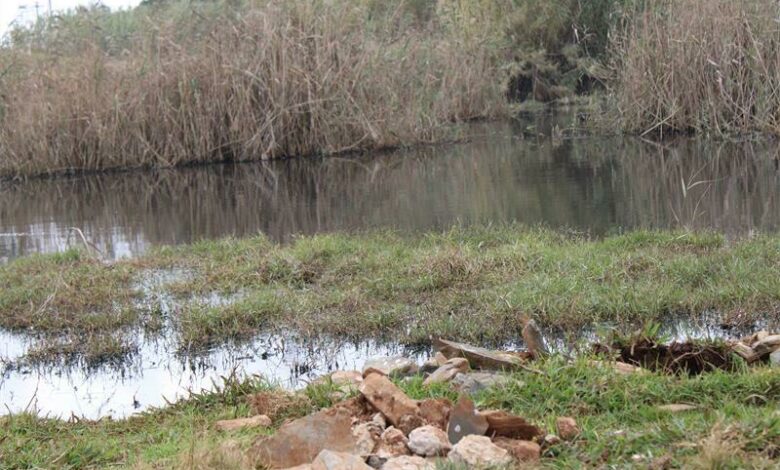
Raw sewage has spilt into the Blesbokspruit for years, but the CoE is adamant that the situation is under control.
“There is a drainage problem, and the water gathers even when it’s not wet weather. Sometimes it has a sewage smell. Other times, it’s a bit sharper, like sulphuric acid,” explained Imraan Karolia, a Bakerton resident living close to one end of the Ramsar site (a wetland site designated to be of international importance under the Ramsar Convention).
According to Philip de Jager, the chairperson of the Grootvaly Blesbokspruit Trust, the CoE had received numerous reports about the issue.
“During 2022, the metro halted this spill but only for about a month. The spill originating in Slovo Park continues unabated. It does not augur well for this pristine and only Ramsar site in Gauteng,” he explained.
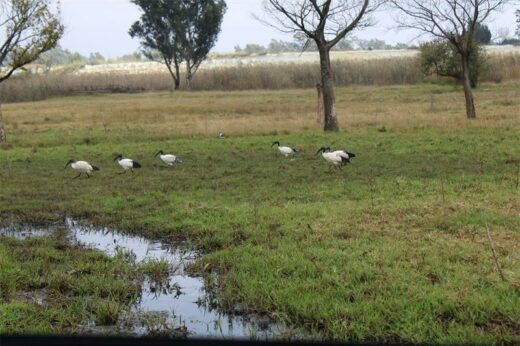
Human waste in the wetland poses many risks to the environment. The Blesbokspruit is seasonally vital for several species of local migrant waterbirds and mammals.
“Human waste can cause extreme fertilisation of the plants. Because of that, some water animals get less sunlight,” said Moatlhodi Pitse, a researcher and local pastor.
Pitse said that one bird species no longer migrated to the wetland, and he believed it was because of the sewage.
“This wetland is the only one in Gauteng to be internationally (Ramsar) recognised. But we will lose that status because of the deterioration wetland,” he added.
ALSO CHECK: Selcourt residents demand that they be disconnected from the Kwa-Thema grid
The metro claimed it knew about the leaking sewer manholes and had tasked the water and sanitation team to attend to it. According to the municipality, repairing the leaks is complete.
“If there are other sewer leaks, the city will send the water and sanitation team to fix those.
“It has been a while since we had complaints of sewer leaks into the system, and if there are sewer leaks, the public is encouraged to inform the metro of the location of those manholes so that we can take corrective actions,” explained Zweli Dlamini, the city spokesperson.
He added that the city had partnered with the Gauteng Department of Agriculture and Rural Development and the National Department of Water and Sanitation in managing the Ramsar site.
“We are undertaking biological control, working with Rhodes University. In addition, physical removal was initiated last November through an Expanded Public Works Programme that will end next month.
“All these initiatives form part of the broader wetland management plan for the Ramsar site,” said Dlamini.