
How South Africans can turn their gardens into green havens
WWF’s Katherine Forsythe reminds South Africans that small changes, like planting indigenous flowers or saving water, can make a big difference. Here’s how your garden can help restore local ecosystems and protect pollinators.
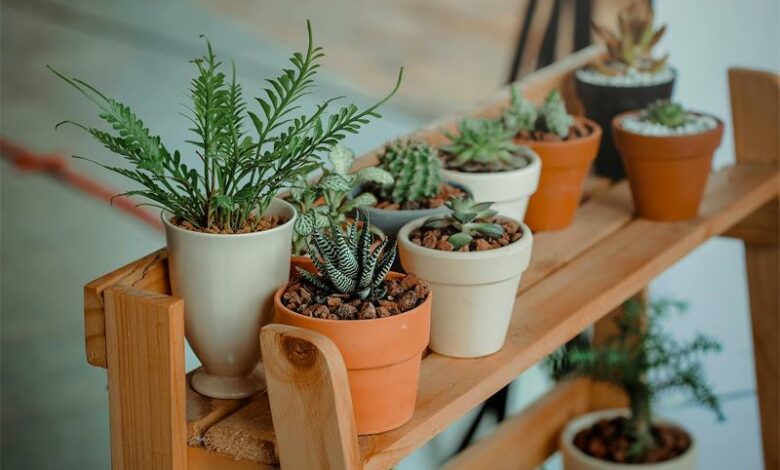
Whether you’re tending a large garden, a small balcony planter, or even a single pot on a windowsill, every green space has the potential to help the planet.
From saving water to supporting pollinators, sustainable gardening at home is one of the simplest ways South Africans can contribute to conservation – without leaving their front gates.
This is according to Katherine Forsythe, Northern Cape/arid landscape manager at WWF South Africa, who says conservation begins at home.
“Every indigenous plant you choose, every drop of water you save, and every insect-friendly corner you create adds up to a healthier ecosystem.”
How to get started:
• Before you reach for that exotic bloom, consider the power of indigenous plants. These plants are adapted to our climate, which means they are naturally water-wise and low-maintenance. More importantly, they provide the specific food and shelter that local bees, butterflies, and birds need to thrive.
Visit a local indigenous nursery for expert advice or use a reliable plant identification app to discover the species native to your corner of the country.
• A garden without pollinators is just decoration. To create a true ecosystem, invite the bees, butterflies, and birds by planting a variety of flowers that bloom at different times of the year, offering a continuous food supply.
Pollinators are particularly drawn to blue, purple, yellow, and white flowers with open, accessible blooms. Adding a shallow dish of water with pebbles for them to land on provides a vital drinking station, turning your garden into a five-star resort for these essential creatures.
• Reduce your carbon footprint by growing your own food. Whether it’s a few herbs in a window box or a full vegetable patch, home-grown produce eliminates the distance your food needs to travel and guarantees the freshest flavour without having to worry about harmful pesticides. Start with easy options like lettuce, spinach, and cherry tomatoes.
• Turn your kitchen scraps and garden trimmings into ‘black gold’ by starting a compost pile. Composting diverts organic waste from landfills, where it would otherwise release potent greenhouse gases.
Instead, create a free, nutrient-rich superfood for your soil that helps it hold more water and naturally fertilises your plants, making your garden more resilient. Don’t compost meat, dairy, oils, pet waste, or diseased plants, as these can attract pests or spread disease.
• With water becoming an increasingly precious resource, a water-wise garden is essential. Plant drought-tolerant, indigenous plants (a practice known as xeriscaping), use mulch to keep the soil moist, and install a rain barrel to capture and reuse every drop you can. Group plants with similar water needs together, and water them deeply but less frequently to encourage root growth. These strategies can dramatically cut your garden’s water consumption while keeping it thriving
• Go all-natural with your pest control. Chemical pesticides can harm beneficial insects and soil microbes, as well as contaminate the water table. Embrace natural solutions like companion planting (such as marigolds near tomatoes, basil near peppers) or using simple soap-and-water sprays to manage pests without damaging the ecosystem.
“Remember, you don’t need to overhaul your entire garden overnight. Start with one indigenous plant, one compost bin, or one chemical-free season. Small steps, taken by many gardeners across the country, create the wave of change our ecosystems desperately need,” concludes Forsythe.