Ekurhuleni education initiative promotes community involvement in schools
Education MEC Lebohang Maile encouraged communities, parents and stakeholders to work together in supporting learners and improving schools during the launch of the It Takes a Village to Raise a Child programme in Tsakani.
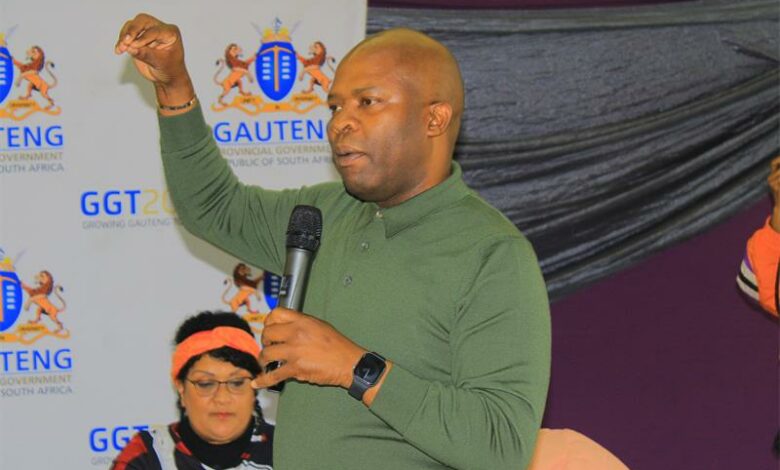
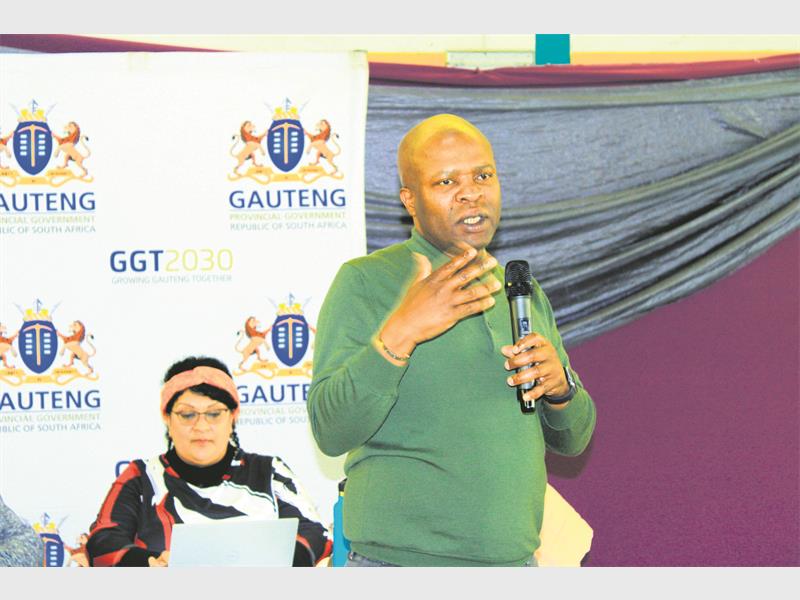
Tsakani – Education and Sports, Arts, Culture and Recreation MEC Lebohang Maile launched the It Takes a Village to Raise a Child programme at the Faranani Multipurpose Centre on May 19.
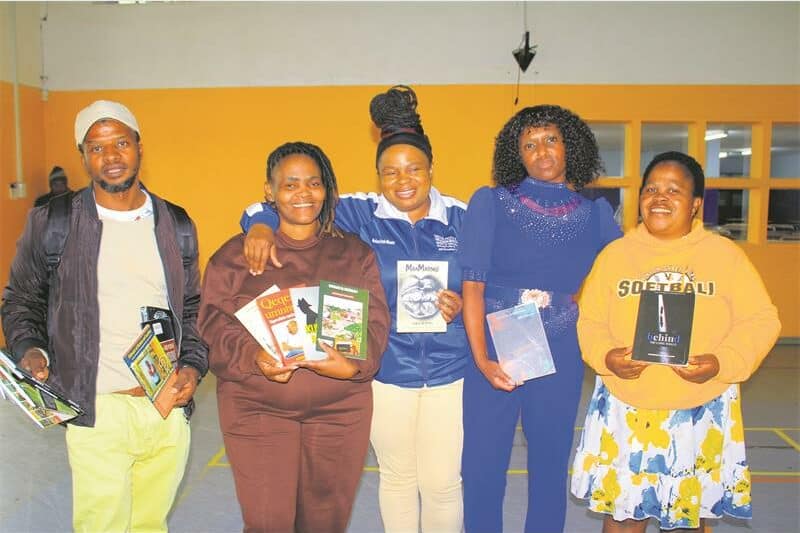
The event was attended by community members, educators, school principals, learners, organisations, taxi associations and other stakeholders who gathered to discuss challenges affecting education and community development.
The focus was on encouraging active community participation in education, sports, arts and youth development, while promoting social cohesion and collective responsibility in raising and supporting children.
Speaking at the launch, Maile explained that the programme was established to strengthen the education system and encourage collaboration between parents, schools, communities, law enforcement agencies and government departments.

“The success of learners depends on the involvement of the entire community,” said Maile during his address.
He also opened the floor for residents to raise concerns and ask questions about issues affecting schools and communities.
Concerns raised included school infrastructure, safety, substance abuse, learner discipline, water challenges, insufficient recreational spaces for young people, access to resources and the need for improved support systems within schools.
Maile further explained how the education budget is distributed and utilised across schools and districts.
“Challenges faced by the department, including increasing learner numbers, infrastructure demands and financial pressures within the education sector,” he said.
ALSO CHECK: Become a SADAG support group leader and make a difference in your community
He highlighted the importance of directing resources to improve learning conditions, empower learners, and strengthen areas requiring urgent intervention.
“Government continues to prioritise learner support, school infrastructure and access to quality education despite existing challenges.
“It is important for sports, arts and cultural programmes in schools. Extracurricular activities help keep young people engaged and away from negative influences.
“Sports, arts and culture play an important role in developing disciplined, confident and focused young people,” he said.

Maile emphasised that education should not only be the responsibility of teachers and schools, but of society as a whole.
“Children spend most of their time within communities and families; communities also have a responsibility to protect, guide and support them,” Maile said.
Many attendees welcomed the initiative, saying it gave ordinary community members an opportunity to engage directly with government leadership and contribute towards finding solutions for challenges affecting children and schools.
Community members also emphasised the need for safer schools, better recreational facilities, improved sanitation and stronger partnerships between schools, parents and local organisations.