
The conservation of the leopard species
These cubs are captured; some get hurt very badly during their stay in whatever filthy cages/methods are used.
In South Africa, farmers and/or hunters often kill female leopards, sometimes not knowing that they have cubs.
These cubs are captured; some get hurt very badly during their stay in whatever filthy cages/methods are used.
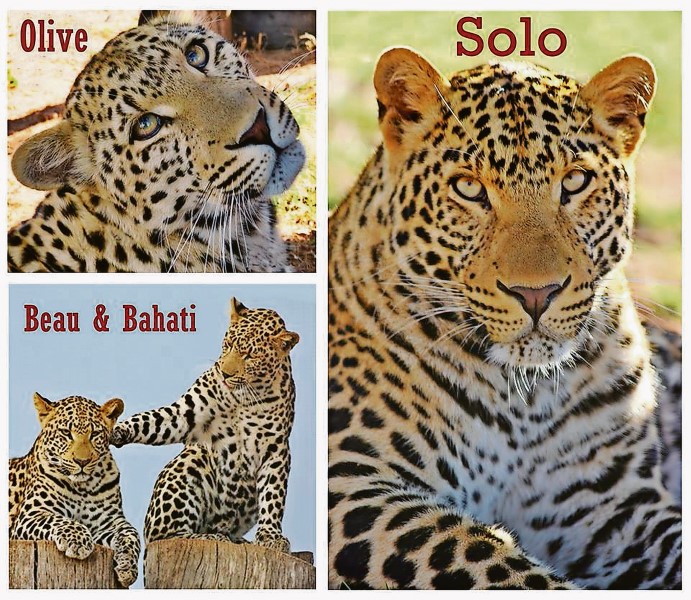
The four leopards that were released now from Wild Cats World grew up there, but it’s time for them to expand their wings.
Olive is a two year old female, Solo is a male leopard two years old and Beau and Bahati are both males one year old.
At Wild Cats World they look after the well-being of endangered species in captivity and conservation of endangered wild and big cats in the wild.
A large-scale education and conservation program, their aim is to let the wild cats range freely though protected.
Huge pieces of land are available for this.
The non-profit organisation relies solely on sponsor money and donations to be able to achieve our final goal.
The leopard cubs are then orphaned and will either be sold in the pet trade, or used in canned hunts after being exploited for money.
These four beauties were saved from a life of exploitation, and deserve a real chance at a happy future.
These leopards have been lovingly looked after at the very safe and ethical sanctuary, but for their ultimate benefit, they now need to be placed in a larger facility, with more space to aid in their rehabilitation, with the goal of being released into a wild environment.
Some fun facts about Project Phoenix; over 48 hours spent 26 hours on the road, approximately four hours sleep, drove 2657kms, done 12 rest stops and checked on the four leopards six times.