
Coal-eating monster making its way to new site
A dragline is just too heavy to walk on the ground itself and must, therefore, travel on a specially prepared roadway or ‘pad’ made of compacted rock to prevent it from crushing roads and underground piping
When you live on the coast, you forget to really look at the ocean.
When you live in the Cultural Heartland of Mpumalanga you don’t really see the magnificence of the draglines anymore.
These monsters unearth a commodity that gives us the ability to cook, to have a warm bath, study under a bright light by just flicking a switch.
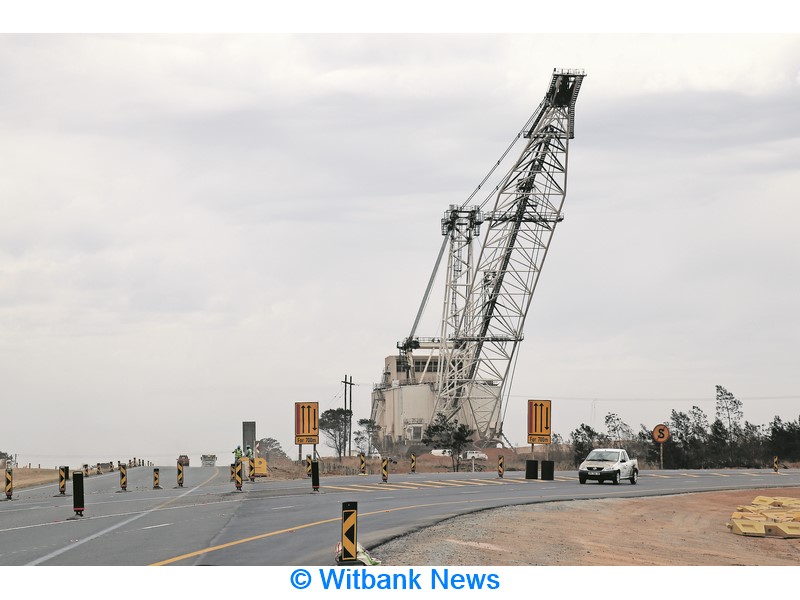
This past week commuters on the N4 were greeted by a magnificent sight when a dragline from Anglo American crossed the highway.
This mighty 1570 Bucyrus dragline belonging to Khwezela Colliery is making its way to the company’s new Navigation life extension project site following 100 years of coal mining at the soon to be closed Kromdraai mine.
The Bucyrus weighs in at 3 600 tonnes and, over the next three months, will travel cross country to its new home 18.5km away.
“This mechanical monster will traverse 13 power lines, a natural gas and bulk water line, a national highway and two provincial roads. It will also cut across a railway line and cross 15 separate properties at between 75 and 100 metres an hour,” said Anglo American spokesperson Mr Moeketsi Mofokeng
Dragline excavators are among the largest mobile machines in the world.
This particular unit stands 19 storeys high with its 90-metre boom raised.
A dragline is just too heavy to walk on the ground itself and must, therefore, travel on a specially prepared roadway or ‘pad’ made of compacted rock to prevent it from crushing roads and underground piping.
Some 10km of dragline pad have already been constructed along the route.
The walkway extends around 35 metres across and is between half a metre and 2.5 metres deep.
For the dragline to walk, it also needs power and a 22kV power line is installed along the walkway to keep the machine moving.
Vehicles and equipment on call include a dozer, grader, cable realer, fire truck and ambulance, while a core team of at least 50 people will oversee the operation.
They include dragline and other machine operators, foremen, electricians, fitters, technicians, project employees, security and emergency personnel.
It has taken more than two years of meticulous planning for the project to come to fruition.
“Stakeholder engagement has and will continue to be a major focus and includes agencies, organisations and individuals like Transnet Freight Rail, Eskom, Sanral and Trac, the Emalahleni Local Municipality, Sasol, junior mining companies and members of the farming community,” Mofokeng said.
It is this type of engagement and in-depth planning that will see bypasses be created to keep traffic flowing, while Transnet Freight Rail will lift a portion of its rail line and move overhead cables to allow for the dragline’s safe passage.