
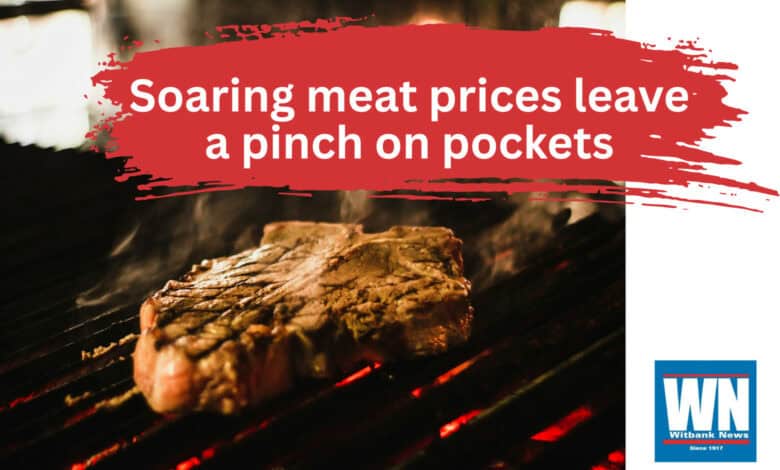
Soaring meat prices, rugby enthusiasts might just have to opt for a cheaper alternative
The livestock industry is under pressure due to the foot-and-mouth disease outbreak and it also affects eMalahleni.
Foot-and-mouth disease (FMD) remains a significant challenge to South Africa’s livestock industry, with recent outbreaks causing disruptions to trade and production.
The highly contagious viral disease affects cattle, swine, sheep, and other cloven-hoofed animals, leading to severe economic consequences.
You now have to brace yourself for higher meat prices and tighten the belt when it comes to a braai.
“The demand for beef is at an all-time high, but the supply challenges are immense. Prices have skyrocketed, and we still need to pay our employees. Consumers are buying less because of the cost, yet we have to raise prices to cover rent and wages. This situation has had a major impact on the local meat business,” said Rocky Moolman, manager at Meat & Fish.
“The rising cost of meat is impacting everyone, from suppliers to consumers. Foot-and-mouth disease has created serious challenges, and prices continue to soar,” said Charles Kruger, manager at Meat World.
An Aphthovirus causes FMD and spreads rapidly through direct contact with infected animals, contaminated feed, and airborne transmission. Infected cattle develop painful blisters on their mouths and hooves, making it difficult for them to eat or move.
While the disease is rarely fatal, it significantly weakens livestock, reducing productivity and market value.
Outbreaks of this disease can lead to quarantine measures, restricting the movement of livestock and disrupting breeding cycles.
FMD – know the facts:
Is it dangerous for human consumption?
No, meat and dairy products from infected livestock are considered safe to eat, as the virus does not affect humans.
Are the animals vaccinated against FMD?
In South Africa, animals that have been vaccinated against foot-and-mouth disease face strict movement and trade restrictions. According to recent reports, vaccinated animals are often marked with an F-brand on their necks, indicating they have received the vaccine.
Does the vaccination prevent it from coming back?
The FMD vaccine does not eliminate the virus completely, but it reduces transmission.
How does FMD impact meat and dairy production?
The impact on meat production: Farmers lose money when they are unable to sell or transport cattle due to restrictions on livestock transportation. International markets impose export restrictions, which lowers demand for beef from South Africa. Costs are raised by feedlot disruptions because livestock must be held longer before being killed.
The impact on dairy production: As sick cows experience blistering and eating difficulties, milk production decreases. Up to 80% of dairy cows with severe mastitis see a decrease in milk quality.
Source: Department of Agriculture, Land Reform and Rural Development.
Breaking news at your fingertips … Follow WITBANK NEWS on our website, Facebook, Twitter, Instagram or TikTok
Chat to us: info@witbanknews.co.za