5 best Kruger National Park camping sites
Kruger National Park has a number of camping sites you need to know and experience. These are some of the best.
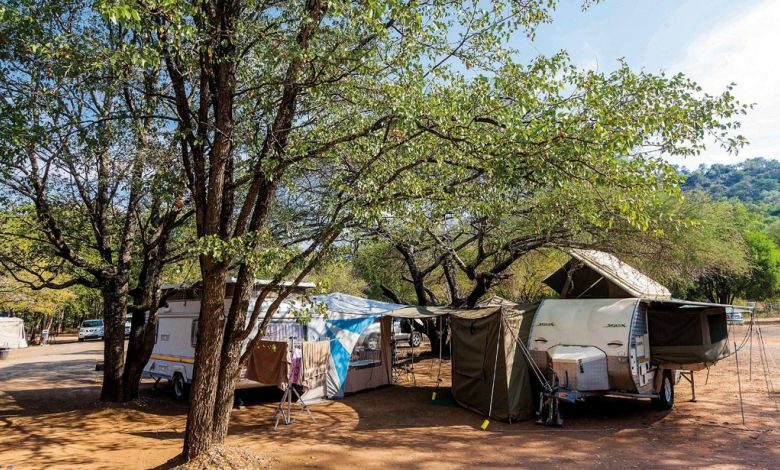
Kruger National Park offers a number of camping sites for visitors. You can camp in the Kruger National Park with your tent, caravan, off-road van, rooftop tent, or motorhome at fourteen campsites, twelve of which are electrified, with Tsendze and Balule being the only non-electrified sites. Security conscious visitors will be glad to know that camps are gated and fenced off to prevent wildlife from entering.
Five of the best Kruger National Park camping sites to add to your itinerary are:
Balule
This small satellite camp is located deep in the heart of the Kruger National Park and in the most exquisite landscape.
Balule is located just south of Olifants Camp, next to the Olifants River and named ‘Balule’ after the Tsonga word for the Olifants River.
With only the most basic facilities and no electricity, the only barrier between you and the wilderness is a low fence, this is one of the best places for guests to get up close and personal with nature. The camp’s distinct wilderness feel has made it a firm favourite for all campers.
Read more: Best Kruger Park Tours
Tsendze
Tsendze, the Tsonga word for ‘tsendzeleka’ or ‘to ramble around like someone lost in the bush,’ is the Kruger National Park’s newest accommodation addition.
It offers a rustic experience in a natural setting, as the name suggests. The campsites are located about 7 kilometres south of Mopani Rest Camp and are laid out in a rough figure of eight under and around stands of ancient and beautiful Leadwood, Mopane, and Apple Leaf trees. The Tsendze River and Nshawu Creek are two prominent seasonal water courses that run through this area, which is known for its large buffalo herds and elephant bulls.
Tsendze’s abundance of large trees in the camp provides excellent birding opportunities right around your campsite.
Satara
The camp is situated in an excellent game viewing area, with the bush relatively open and the animals diverse and plentiful. Satara is also known as the ‘cat camp’ because it is a good place to spot lions, leopards and cheetahs.
The camp itself has a rustic charm, with about 100 tents or caravan sites with power points. There are communal ablutions and cooking facilities which provide 24-hours boiling water, electric hotplates and washing up facilities. The camp has a swimming pool, restaurant and fully stocked shop.
Camping next to the fence is bliss and game viewing in the area is excellent with several roads on which you can drive for hours without seeing many other cars.
You might also be interested in: Budget Kruger Park Safaris
Pretoriuskop
Pretoriuskop in the south-western corner of the Kruger National Park is renowned for its spectacular granite outcrops among which is the nearby impressive granite dome known as “Shabeni Hill”.
Pretoriuskop is notable for its brilliant red trees, which predate the decision to use only indigenous plants in the design of rest camp gardens. Because of nostalgia, Pretoriuskop, the park’s oldest rest camp, was granted an exception to the rule, and exotic flowering plants were allowed to remain. The camp has about 45 tents or caravan sites, some with and some without power points. Campers make use of communal ablutions and cooking facilities.
Lower Sabie
Lower Sabie graces the banks of the Sabie River, one of the few perennial rivers to flow through the Kruger National Park.
In this rest camp, the bounty of nature is very evident, with the mighty sycamore fig generously providing for the livelihood of many birds and insects.
The camp sports about 33 tents or caravan sites with power points, as well as communal ablutions and cooking facilities.
Rest camp options listed above are worth considering as you plan your visit to the Kruger.
Also Read: Plan your next Kruger holiday