
Tree ‘butchering’ sparks environmental concerns in KwaMbonambi
KwaMbonambi residents raise environmental concerns over extensive tree pruning, while uMfolozi Municipality says safety prompted the work.
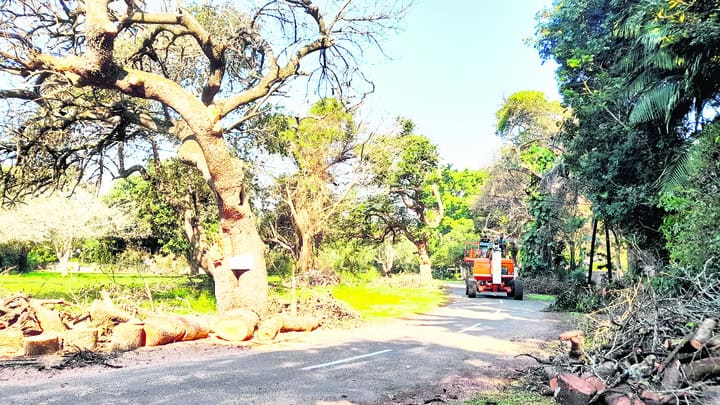
There is necessary and proper pruning; then there is utter chainsaw massacre on protected trees that impacts the entire surrounding environment.
A devoted KwaMbonambi businessman and avid environmentalist who asked to remain anonymous was fuming last week as he watched the municipality indiscriminately decimate scores of trees bordering the village’s streets.
And there was no beating around the bush as he condemned the ‘butchering’ of both indigenous and alien trees, apparently with little appreciation of the ecological impact, and even less appreciation of the way to remove excess branches and foliage.
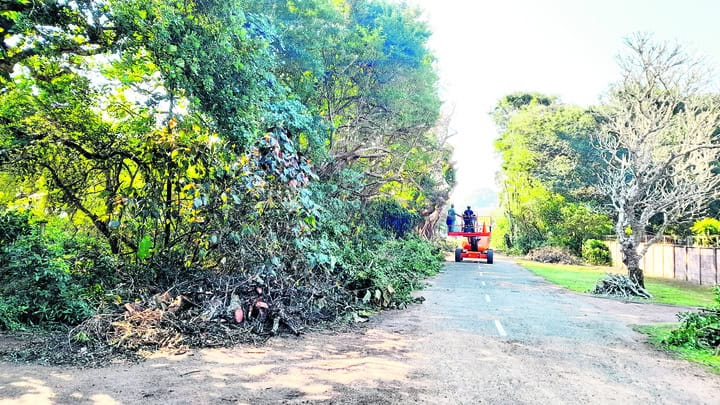
“This is a small town and we have no ratepayers’ association, so they just went ahead; and there are cherry pickers everywhere, destroying the trees for which Kwambo is so highly known and loved,” he said.
“The excuse is that the trees are obstructing the paths of trucks, but even if this is true, some trees are protected by law. This area is well known for its indigenous trees, which also provide habitat and food for birds, monkeys and other creatures.”
He said the tree cutting began last Monday at the southern end of Bredelia Street and on Olinia Street.
Indigenous trees being cut, he said, are wild poplar, maroela, African flame, small leaf fig, sycamore fig, tassleberry, Cape ash and albizia (flatcrown).
Non-indigenous trees being cut include Australian silky oak, flamboyant, jacaranda, frangipani, leopard tree, fiddlewood and ficus Benjamina.
Indigenous tree species are protected under environmental acts and may not be removed or trimmed without specific permits.
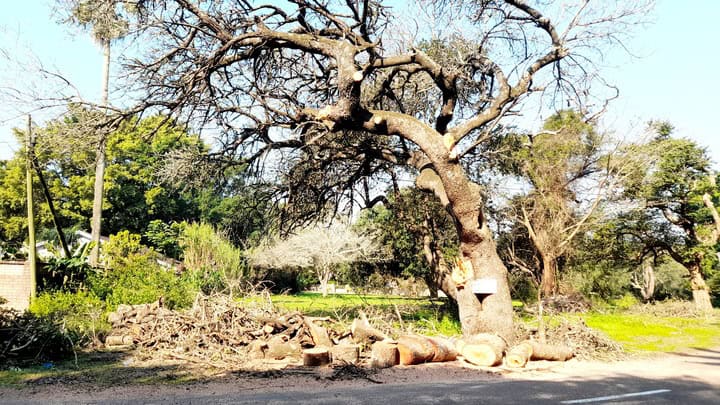
Practising harmful methods of tree topping or aggressive bark stripping can also expose trees to disease.
While July/August is the correct time of year for tree pruning, arborists generally advocate a ‘Five Ds’ approach: Only remove wood that is dead, damaged, diseased, dying or deformed.
Municipality responds
“The municipality would like to clarify that the trees were not removed, but were pruned as part of routine maintenance and public safety measures,” said Fred Mazibuko from the Office of the Municipal Manager at uMfolozi Municipality.
“Over time, some tree branches had grown extensively into the road, obstructing visibility for motorists and pedestrians, and in some instances posing a risk to road users, particularly larger vehicles and emergency services.
“The pruning was undertaken to improve road safety, enhance visibility and ensure the free movement of traffic while preserving the health and longevity of the trees. The work was carried out after assessing the potential hazards posed by overgrown branches.
“uMfolozi Municipality remains committed to balancing environmental conservation with the safety and well-being of residents. Trees play an important role in our communities, and the municipality does not undertake the unnecessary removal of vegetation.
“Where maintenance is required, efforts are made to minimise environmental impact while addressing safety concerns.
“The municipality appreciates the concerns raised by community members and encourages residents to report any issues relating to public infrastructure, road safety or environmental management through the appropriate municipal channels.”
Don’t have the ZO app? Download it to your Android or Apple device here:


HAVE YOUR SAY
Like our Facebook page and follow us on Twitter.
For news straight to your phone invite us:
WhatsApp – 060 784 2695
Instagram – zululand_observer
TikTok – @zululand_observer