
Drug shocker
Drugs shocker: average age of addicts in South Africa is now 12 years - and dropping
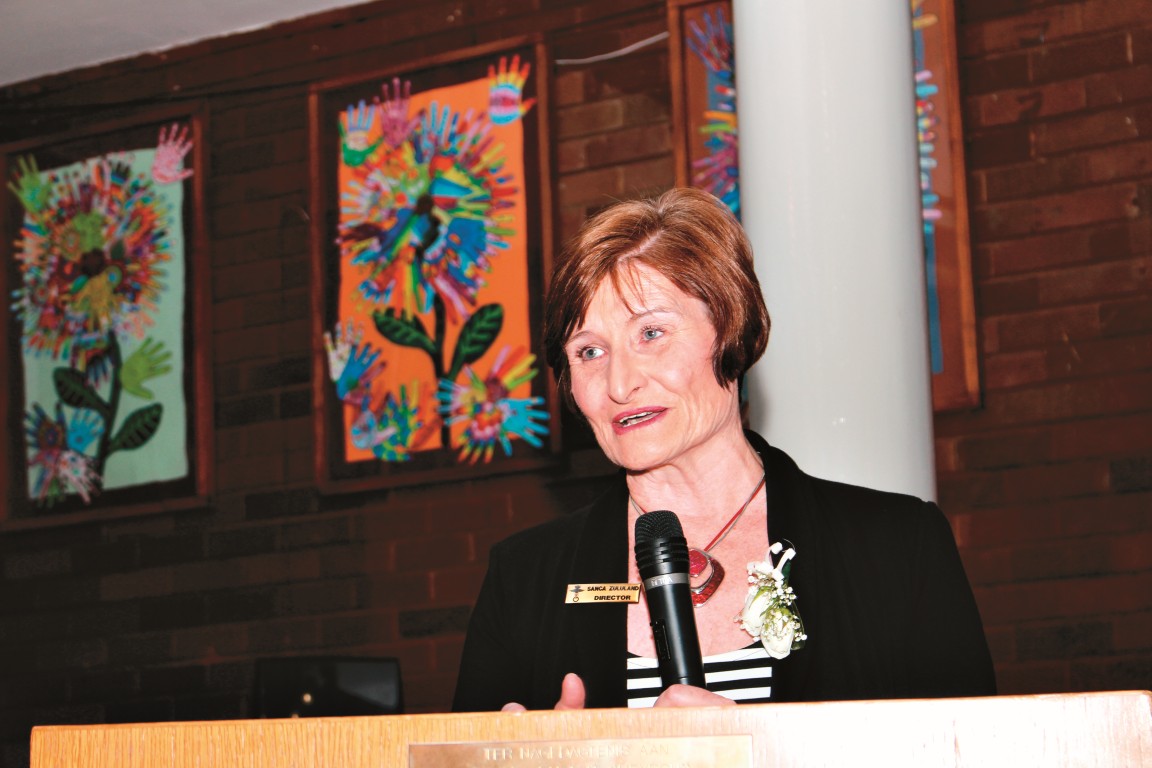
THE average age of drug dependency in South Africa is 12 years old – and dropping. And users are more and more taking a mixture of drugs to increase the ‘kick’.
These startling facts emerged at the Annual General Meeting of SANCA Zululand, held on Thursday evening at St Catherine’s school. Of 326 new clients using therapeutic services at SANCA’s Empangeni Alcohol & Drug Help Centre in the past year, 33% were under the age of 21 and a further 45% were aged between 22 and 35. ‘It is however, encouraging that individuals are coming into treatment early, hopefully before dependence occurs,’ said Director Lyn Williams.
She also warned that current research shows that children with ADHD, if untreated, often fall prey to depression, anxiety, crime and substance abuse. ‘Adolescence is a high risk period for substance abuse and other high risk behaviours. ‘Gangs, youth murders, trafficking and prostitution are among the crimes often linked to adolescent abuse,’ Williams said in her annual report.
‘With the right treatment and support, the disruptive effects of drug use can be counteracted and control can be regained. ‘Many young people have no employment, thus making them more at risk. ‘We need to channel their energies into activities such as sport, or lose them to crime and substance abuse. ‘A challenge remains the lack of in-patient treatment facilities for children and youth at State rehabilitation centres in KZN.’
Continued on page 2 Analysis of the past year’s statistics reflects that alcohol (40%) remains the most frequently abused substance. Dagga was second, increasing from 26% in 2011/2012 to 32% for this year. ‘Some 16% of our clients abused other drugs such as crack/cocaine, mandrax, ecstasy and 12% abused heroin,’ said Williams.
‘It is a matter of concern that the abuse of whoonga, a mixture of low grade heroin as its base, has continued to increase. ‘Whoonga is both toxic and relatively cheap and easily available. ‘The main pattern remains multiple substance abuse, which rose alarmingly from 64% to 73% of clients abusing more than one substance.’
Another surprising revelation was that in the past year eShowe topped the list of drug-related crime, which includes the ‘huge problem’ of driving under the influence of alcohol or drugs. In the last financial year Ntambanana reported 7 cases, Melmoth 59, Nkandla 62, Empangeni 365 and eShowe 398.
Resignation announced With funding as always a critical issue and the demand for services increasing in urban and rural communities, SANCA Zululand is under pressure to service the growing client base,’ said Chairman Bonginkosi Mnguni.
‘The war against drug and substance abuse is not an easy one. ‘The battles are many; we win some and lose some, which makes our sponsor support so vital. ‘An added concern is the tough competition for qualified and experienced staff between NGO’s and the public sector, with many social workers seeking the security and benefits attached to a government job. ‘We thank our staff for sticking with us in spite of the difficulties that they operate under.’
Mnguni also announced with regret the resignation of SANCA Zululand Director Lyn Williams, who will officially retire at the end of January 2014 ‘thereby bringing to a close 18 solid years of unselfish service’. ‘Lyn is undoubtedly one of the doyens of the Zululand NGO sector. ‘She has proved to be a true leader, manager, administrator, accomplished professional, a resourceful advisor and indeed a pleasant soul to work with,’ said Mnguni.