
To feed or not to feed
Locals argue whether breastfeeding in public is offensive or not
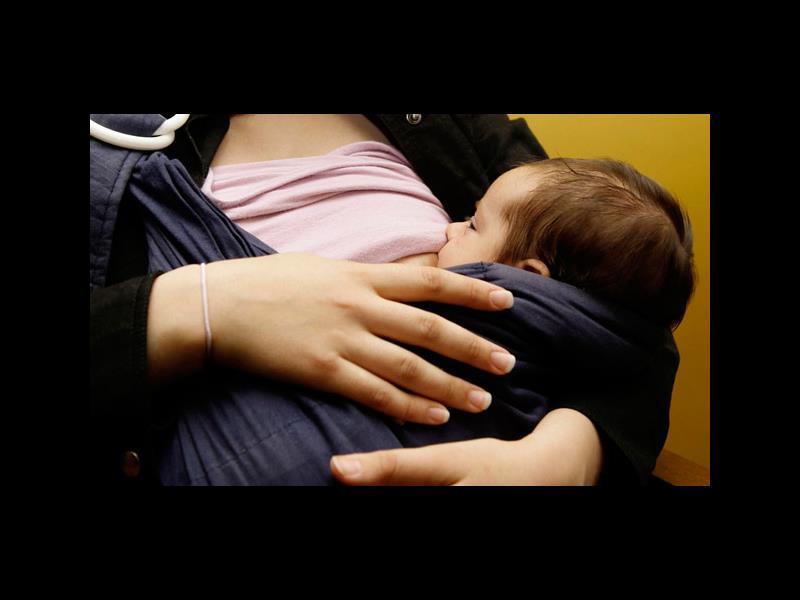
THE debate over breastfeeding in public has come to the fore after mothers have been discriminated against at restaurants and public places.
This comes after reader, Melony Reddy, told the Zululand Observer that she had been humiliated at a local restaurant for breastfeeding her baby.
‘I was approached by the manager, pointing his finger who told me to ‘cover that up with a towel, it is not allowed,’ said Reddy.
‘Before I could respond, he stormed out and I was left feeling shocked and humiliated while patrons of the restaurant stared at me. I felt as though I had done something disgusting and perverted,’ she said.
According to uThungulu Health District Assistant Manager Nutrition, Tanya van Aswegen, there are no laws prohibiting breastfeeding in public and it is a child’s fundamental right to receive nourishment when he or she requires it.
‘Denying child nourishment is considered neglect and abuse,’ said Van Aswegen.
‘Breastfeeding a child cannot and should not be scheduled so there will be times when a child will need to be fed while a mother is out in a public space. Most often, restaurants do not cater for breastfeeding mothers and it should not be expected of a mother to breastfeed in an unhygienic place like a toilet stall.
‘In 2011, Minister of Health, Dr Aaron Motsoaledi declared South Africa a breastfeeding country stating the Government, private sector and other stakeholders’ commitment to protect, promote and support breastfeeding,’ said Aswegen.
Owner of three popular Richards Bay restaurants, Donald Bruins-Lich, said that breastfeeding is not an issue at his premises.
‘We have no problem with mothers feeding as long as it is done conservatively by covering parts of the exposed breast. It is necessary and good for infants and, therefore, we do not prohibit feeding,’ he said.
BENEFITS
Lower Umfolozi Regional War Memorial Hospital Public Relations Officer Nompilo Mvubu said breastfeeding is beneficial for a number of reasons.
‘It has all the necessary nutrients for the body and brain to grow, it helps fight infections, prevents babies from developing allergies, adds to bonding between mother and baby and breastfed babies tend to have a higher IQ,’ said Mvubu.
‘For mothers it reduces the excessive bleeding after birth and helps the uterus contract to pre-birth size and also reduces risk of breast and ovarian cancer and heart disease. For the dads, there are reduced costs as there are less clinic visits, no night preparation, a healthier baby and partner and confidence in knowing you are doing the best for your baby.
‘There is also a reduction of infant mortalities, health care costs, work absenteeism and it protects our environment from the manufacturing of tins to store formula.
‘Breastfeeding has the perfect amount of nutrients and anti-infective properties making it easy to digest and absorb; with adequate iron and protein levels and lactose and lactase enzymes,’
‘Formula, however, has are no anti-infective properties which often causes allergies and intolerances. Also, it contains high levels of protein which are prone to cause micro-scope bleeding of the gut and possible kidney damage. Formula also has high levels of lactose without the enzyme to break it down which can cause intolerance or even diarrhoea.