He ain’t heavy, he’s my brother
Three relatives were tested, and Rajesh was a match for his brother.
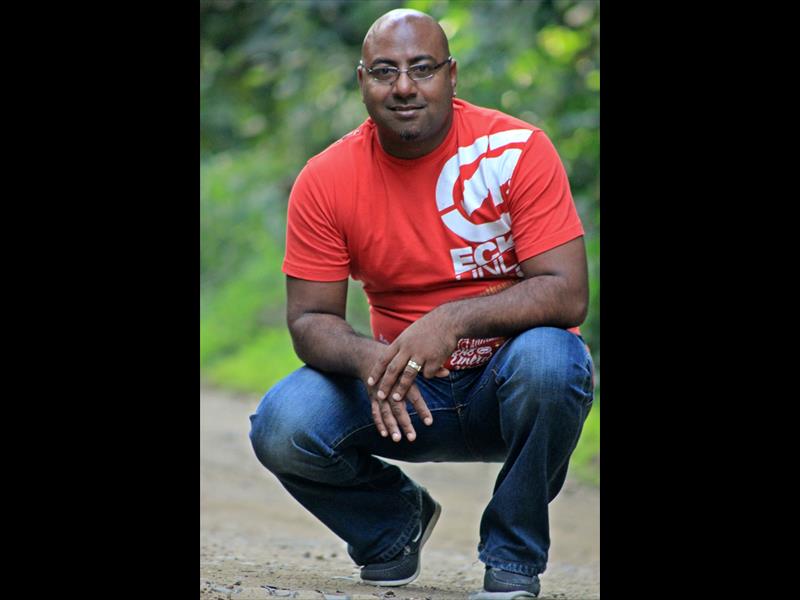
DESPITE his overwhelming fear of needles, when his younger brother suffered renal failure and required a kidney donor, Rajesh Chinasamy did not think twice and was the first of three relatives to undergo screening for a possible match.
His bigger brother instinct kicked in and now his sibling, Naresh, shares one of his kidneys.
Last month, the duo underwent the medical procedure at Netcare St Augustine Hospital, after months of numerous tests, with Rajesh undergoing a laparoscopic donor nephrectomy.
Traditionally, a live donor nephrectomy requires a healthy individual, the donor, to undergo a major operation where the kidney is removed through a large incision.
This so-called ‘open’ procedure was associated with significant pain and a substantial recuperation period for the donor.
In contrast, in a laparoscopic donor nephrectomy, tiny incisions are used and the kidney is removed using a scope or camera and special miniaturised surgical instruments.
Rajesh said his brother had been through months of pain and was receiving dialysis treatment three times a week.
‘It was heart sore, being the eldest brother and having to watch Naresh and his family going through this ordeal.
‘He is a husband, father and breadwinner and I felt that as family, we had to stick together and support each other.
‘Yes, I gave my organ out of love, but I also did it for my niece, Larishka, who we both love and cherish.
‘And if it was anyone else that needed it, I would have still given it up,’ he said.
Appreciation
Still in isolation after receiving the kidney, Naresh said his recovery process entails three months of isolation.
‘It was challenging having to deal with the renal failure, undergoing dialysis and as a paramedic, I was missing out on all the action by not being able to attend emergency scenes.
‘Thanks to the advancement of technology, Rajesh was one of the first patients at St Augustine to undergo this procedure which is less painful and has a faster recovery period for the donor.
‘I am extremely grateful to my brother, especially because he has a zero tolerance for pain, he is even afraid to donate blood because of his fear of needles.
‘Our family have been very supportive during this period; while there were some hiccups, the organ is active and is being monitored at this stage.
‘This experience changed my mind about organ donations, I never thought I would be an organ beneficiary,’ he said.