
Myths about mushrooms
As increased temperatures mark the start of summer, wild mushrooms begin to emerge.
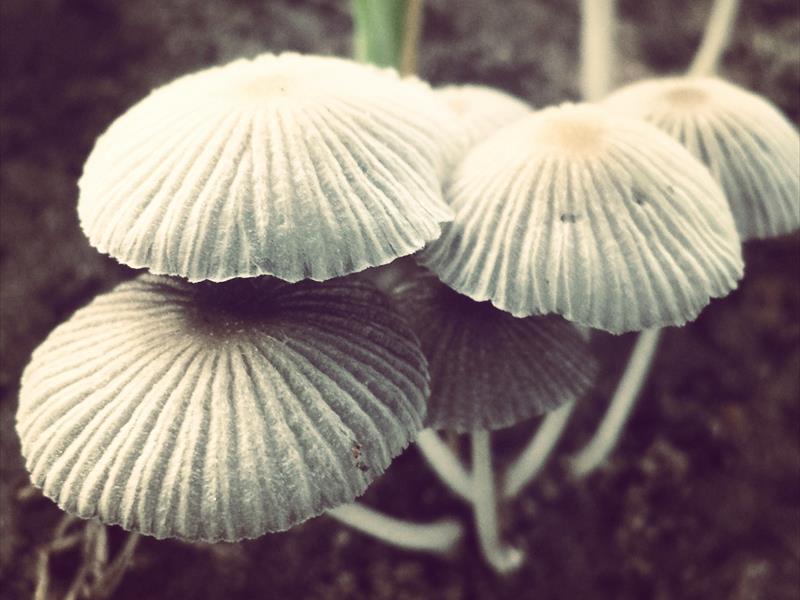
AS increased temperatures mark the start of summer, wild mushrooms begin to emerge. Wild mushrooms don’t only grow in the wild, but are all non-cultivated mushrooms which grow naturally, even in suburban gardens.
While the majority of South Africa’s wild mushrooms are not poisonous, those that are have caused many deaths over the years.
A mushroom is the fleshy fruit body of several types of macrofungi. We eat them like a vegetable, although the part we eat is neither fruit nor vegetable but rather called a ‘fruiting body’.
Mushrooms grow both above and below ground and it is the mushroom’s taste, aroma and whether or not it’s poisonous that determines whether or not it is safe to eat.
Mushroom poisoning occurs when people eat wild mushrooms they have mistakenly identified as safe to eat.
Mis-identification of wild mushrooms is easy to do and happens when the general appearance, like the colour, of a poisonous mushroom closely resembles that of a ‘safe’ one.
Identification
Many mushrooms, commonly called ‘little brown mushrooms’ or ‘big white mushrooms’ owing to their appearance, are almost impossible for even trained mushroom hunters to identify as safe or not. It is, therefore, wise to stay away from these.
Rough guidelines when determining whether or not to eat a mushroom include, only eating mushrooms that have been deemed safe by a mushroom expert, cooking mushrooms unless you know for certain they are safe to eat raw, not combining mushroom types, and being well aware of which ‘safe’ mushrooms have ‘deadly twins’.
Myths and folklore
‘Relying on myths to identify mushrooms is a dangerous strategy,’ warned Robert McKenzie of KZN Emergency Medical Services.
Misleading myths include, all white mushrooms are safe to eat; heating a poisonous mushroom and stirring it with a silver spoon will turn the spoon black; any mushroom is safe to eat if cooked; and insects can tell which mushrooms are poisonous.
Other fallacies tell of poisonous mushrooms having a pointed cap and will turn rice red if cooked together.
Paramedics urge people to eat only mushrooms that have been deemed safe by an expert and, if eating a new mushroom type, eat only a little to start with. This should prevent anaphylaxis, or an allergic reaction.
Signs of mushroom poisoning include dizziness, nausea, vomiting and disorientation and could take a few minutes or as long as 24 hours to occur. If this happens, seek medical advice immediately.