
Time to support dying crafts
The museum which promoted a renaissance in Zulu arts and craft has not received sufficient funding to continue their operation.
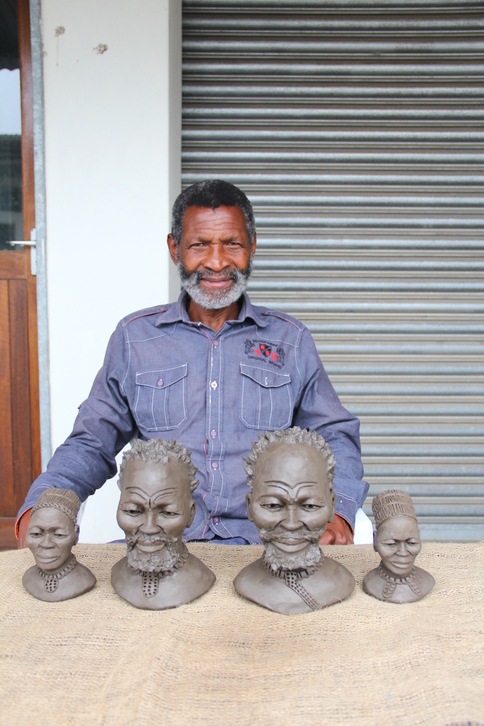
THE Vukani Zulu Cultural Museum in the Fort Nongqayi Museum Village has been forced to close its doors after over 20 years.
The museum which promoted a renaissance in Zulu arts and craft through the Vukani Collection Trust, has not received sufficient funding to continue their operation.
They are hopeful of receiving their subsidy from the Department of Arts and Culture in July, but until then they have no funds.
The museum has been crucial in reviving the dying art of basketry.
Zulu crafters producing work in clay, beads and grass are becoming fewer owing the lack of interest in the crafts by the new generation.
This makes the preservation of this collection even more crucial.
Through Vukani, more than 100 men and women have pooled their inherited knowledge of grasses, palm leaves, natural dyes, beadwork, woodcarving and ceramics to produce a range of contemporary items with a traditional theme over the years.
Quality artwork
Many of the work produced are considered art, as opposed to craft and these Master Crafters’ work is sought all over the world.
Vukani is often in correspondence with local and international museums seeking advice or information on Zulu crafts.
But besides the international interest, the museum has its feet firmly routed in the area through its social upliftment and cohesion projects.
One of the annual projects organised by the museum is the Craft Imbizo, which sees curators of museums and art galleries from throughout KZN attending and buying new items for their own museums’ collections.
Anyone who can assist or needs further information can contact Rob Wilson on 072 9021942 or Vivienne Garside on 083 4925705.
History
The preservation of this valuable collection is to the credit of the humble man known as ‘Umfundisi Wotshani’?- the Rev Kjell Lofroth, his wife Bertha and their friend, Baba Elliot Dludla.
When funds for food stopped during the drought in the late 1960s, they started a project selling handcraft made by rural people from the Rorke’s Drift area.
In 1972, they were asked to formalise their work over all of Zululand, and started the Vukani Arts Association.
The name ‘Vukani’ was chosen by the crafters to indicate that they would ‘wake up and get going’.
The new markets opened up by Rev Lofroth and his team came at a welcome time, as the traditional grass and clay functional items had been replaced by plastic and tinware.
The basket weavers and carvers, especially, were hard hit by this.
The early baskets were very plain, but interest in Europe in the few dyed and patterned baskets led the Vukani team to encourage experimentation with natural dyes, leading to the exquisitely coloured and designed baskets you see today.
These designs are now known and recognised by discerning collectors throughout the world.
Mrs Lofroth’s serious illness sent the family back to Sweden before their dream of a museum became reality.
Collection on display
However, in 1991, a group of eShowe people saved the Lofroth’s personal collection of about 2 700 items from being sold overseas and the Vukani Collection Trust was formed.
In 1994, the museum opened its doors for the first time, and in 2001, it moved to the present building, specially designed for the collection by architect Paul Mikula.
In northern Sweden, Rev Lofroth still presides over a museum of about 300 items of Zulu craft.
In Zululand, thousands of otherwise unskilled women can support their families ‘because of Kjell and Bertha Lofroth and Elliot Dludla’ and their dream of supporting local crafters.

HAVE YOUR SAY
Like our Facebook page and follow us on Twitter.
For news straight to your phone invite us:
WhatsApp – 072 069 4169
Instagram – zululand_observer