
What Does Protective Clothing Mean?
Protective clothing is any type of clothing specifically designed, treated or fabricated to protect personnel from hazards that are caused by extreme environmental conditions, or a dangerous work environment. Some protective clothing may be designed to protect the workers in a potentially infectious or polluted space. Protective clothing or any protective equipment is often referred to as personal protective equipment (PPE).
Employees who face possible bodily injury of any kind that cannot be eliminated through engineering, work practice or administrative controls, must wear appropriate body protection while performing their jobs. In addition to cuts and radiation, the following are examples of workplace hazards that could cause bodily injury:
- Temperature extremes;
- Hot splashes from molten metals and other hot liquids;
- Potential impacts from tools, machinery and materials;
- Hazardous chemicals.
There are varieties of protective clothing available for specific hazards. Employers are required to ensure that their employees wear personal protective equipment for the parts of the body which are exposed to possible injury. Examples of body protection clothing include laboratory coats, coveralls, vests, jackets, aprons, surgical gowns and full body suits.
Book your Health and Safety Training Course
Today!! If a hazard assessment indicates a need for full body protection against toxic substances or harmful physical agents, the clothing should be carefully inspected before each use, it must fit each employee properly and it must function properly and for the purpose for which it is intended.
Protective clothing comes in a variety of materials, each effective against particular hazards, such as:
- Paper-like fiber used for disposable suits provide protection against dust and splashes.
- Treated wool and cotton adapts well to changing temperatures, is comfortable, and fire-resistant and protects against dust, abrasions as well as rough and irritating surfaces.
- Duck is a closely woven cotton fabric that protects against cuts and bruises when handling heavy, sharp or rough materials.
- Leather is often used to protect against dry heat and flames.
- Rubber, rubberized fabrics, neoprene and plastics protect against certain chemicals and physical hazards. When chemical or physical hazards are present, you need to check with the clothing manufacturer to ensure that the material selected will provide protection against the specific hazard.
What is personal protective equipment?
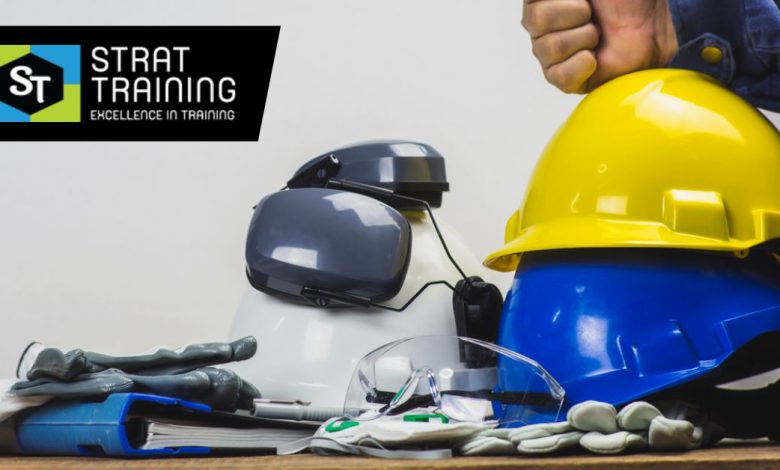
Personal protective equipment, commonly referred to as “PPE”, is equipment worn to minimize exposure to hazards that cause serious workplace injuries and illnesses. These injuries and illnesses may result from contact with chemical, radiological, physical, electrical, mechanical, or other workplace hazards. Personal protective equipment may include items such as gloves, safety glasses and shoes, earplugs or muffs, hard hats, respirators, or coveralls, vests and full body suits.
What can be done to ensure proper use of personal protective equipment?
All personal protective equipment should be safely designed and constructed, and should be maintained in a clean and reliable manner. It should fit comfortably which encourages usage. If the personal protective equipment does not fit properly, it can make the difference between being safely covered or dangerously exposed. When engineering, work practice, and administrative controls are not feasible or do not provide sufficient protection, employers must provide personal protective equipment to their workers and ensure its proper use. Employers are also required to train each worker required to use personal protective equipment to know:
- When it is necessary
- What kind is necessary
- How to properly put it on, adjust, wear and take it off
- The limitations of the equipment
- Proper care, maintenance, useful life, and disposal of the equipment
If PPE is to be used, a PPE program should be implemented. This program should address the hazards present; the selection, maintenance, and use of PPE; the training of employees; and monitoring of the program to ensure its ongoing effectiveness.