
Free screenings mark Women’s Month
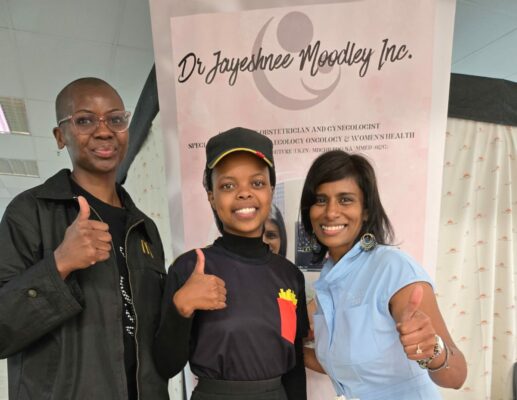
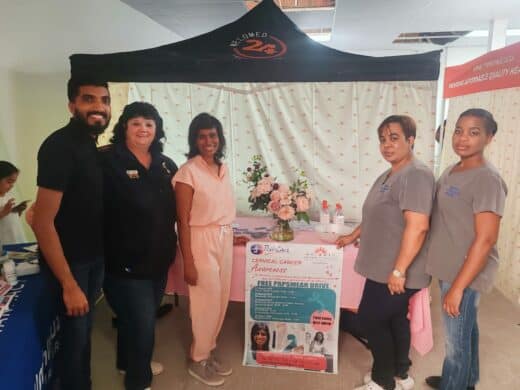
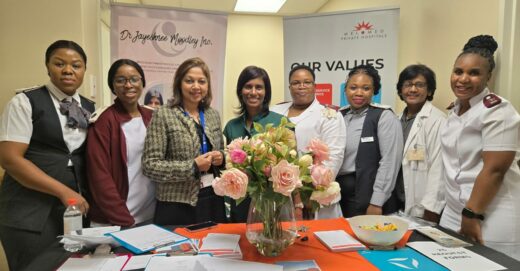
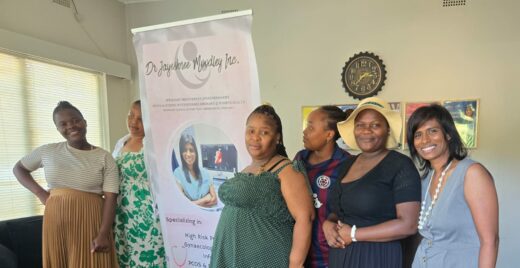
The 12th edition of Dr Jayeshnee Moodley’s pap smear drive once again took vital women’s health services to the community — this year spanning six sites across the region.
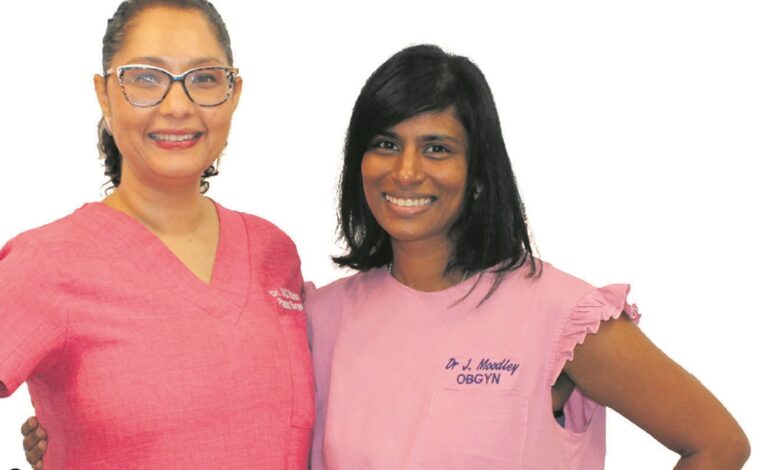
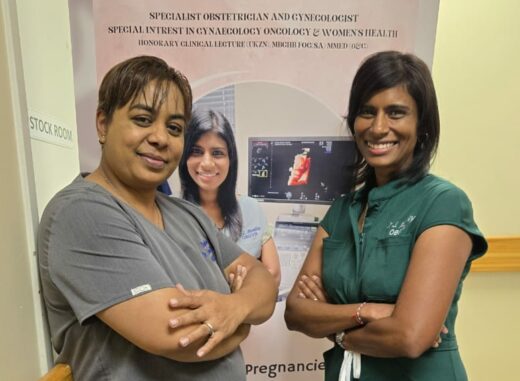
Dr Jayeshnee Moodley (Specialist Obstetrician and Gynaecologist)
How many women were screened this year?
This year, we screened 350 women in total. Our focus was reaching uninsured women without reliable transport, who are most at risk and least likely to access quality care.
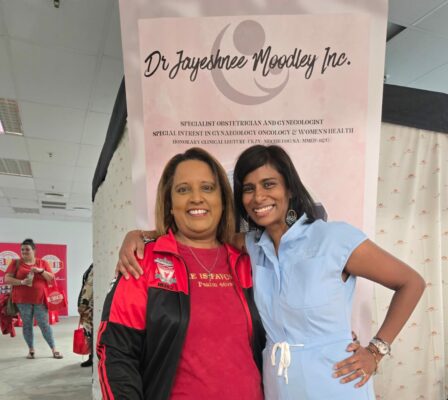
What were the highlights of this year’s drive?
The campaign was filled with uplifting moments. Women came through in numbers, often bringing friends, family and colleagues – perfectly reflecting the ethos we are trying to create: “women supporting women.”
In fact, 30% of our participants were ‘first-timers’, including one woman aged 52 – a reminder that it’s never too late to prioritise your health.
Another highlight was seeing two women who have attended my free pap smear drives every year since 2014 – that’s 12 consecutive screenings!
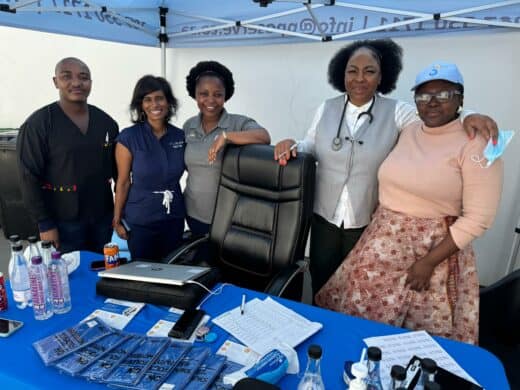
How does this campaign strengthen a culture of prevention?
This campaign is breaking myths, barriers, and stigma around women’s
health. It’s creating safe, respectful spaces that normalise cervical cancer screening as part of everyday wellness. Each campaign sparks more health conversations in our communities, inspiring action. By empowering women with knowledge and access, we’re building a culture that values prevention and sees cervical cancer as being preventable.
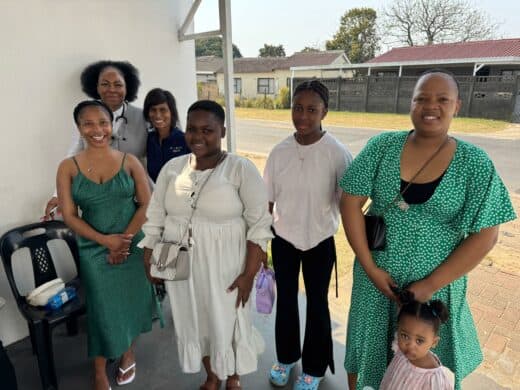
What’s your message to women who haven’t had a pap smear?
Don’t feel ashamed if you’ve never had a Pap smear or if it’s been years since your last one. It’s never too late to start caring for your health. Take that step: book your pap smear today!
Dr Mariëtte Mouton (Plastic & Reconstructive Surgeon)
You joined Dr Moodley at the Empangeni pap smear drive, performing breast examinations. How many women benefited?
Sixty women were screened.
Why are regular breast exams important?
Breast examinations help detect lumps, changes and abnormalities early. Early detection lowers the risk of late stage breast cancer.
What common misconceptions do women have about breast health?
That breast cancer only affects those with a family history or over 40 – but most cases have no family history and can occur in women under 40.
How often should women have breast examinations or screenings?
Monthly self-examinations is advised, yearly clinical examination by a medical practitioner and yearly mammogram after the age of 40.
What advice do you have for women to manage breast health at home?
Do monthly self-exams on day 7-10 of your cycle, or pick a fixed day if you are post-menopausal or have irregular cycles. Consistency allows you to pick up changes early.

How do you feel this initiative contributes to the spirit of Women’s Month and women’s empowerment?
Knowledge is power. Screening educates women about their own bodies. When women understand what’s normal and what’s not, they feel more control over their health.
Click here to read: Changing the cervical cancer story.