
From 350 grams to 3.0 kilograms: A remarkable neonatal journey in Richards Bay
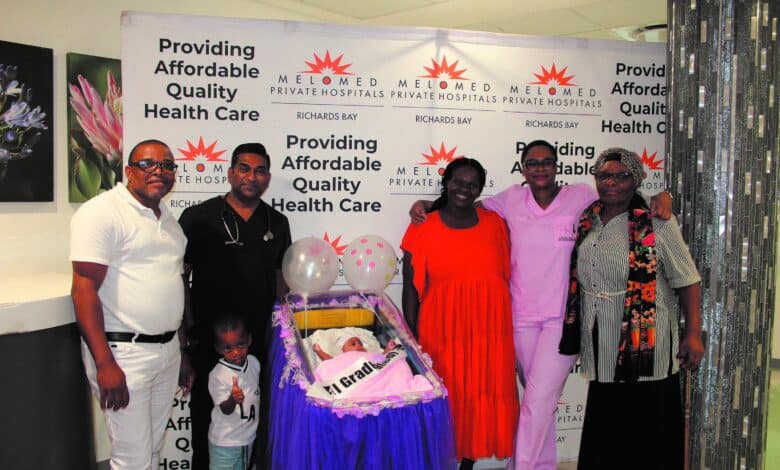
Melomed Richards Bay Private Hospital is highlighting the significant challenge of premature birth as a baby born weighing 350 grams is discharged at a healthy 3.0 kilograms.
By Dr Chetty, Specialist Paediatrician
Melomed Richards Bay Private Hospital
When a baby is born weighing just 350 grams, survival is far from guaranteed. At that weight, similar to that of a can of cooldrink, every organ system is profoundly immature.
The lungs are not fully developed, the brain is fragile, the immune system is vulnerable, and maintaining body temperature and blood pressure becomes a constant challenge.
In South Africa, babies born under 1,000 grams are classified as extremely low birth weight. While survival rates improve significantly above 800–900 grams, survival at 350 grams is exceptionally rare, particularly outside of highly specialised centres.
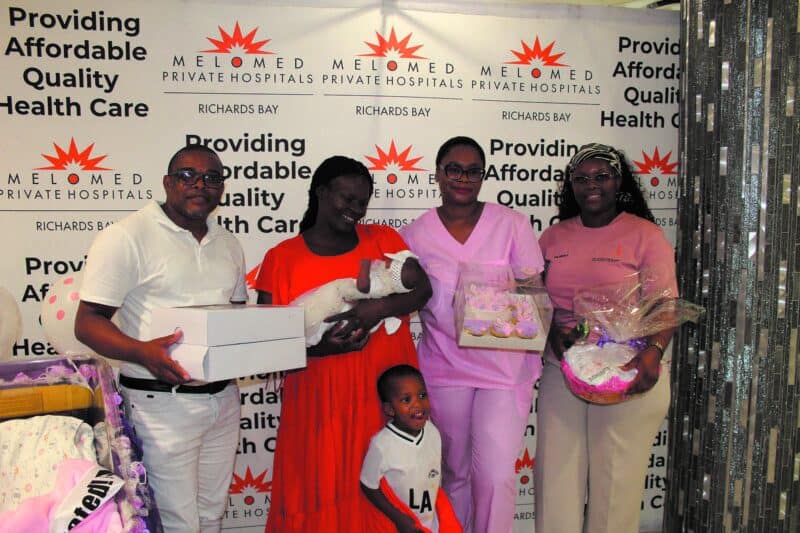
A recent case at Melomed Richards Bay Private Hospital represents not only medical excellence, but also resilience, teamwork, and extraordinary parental courage.
The first 2-3 weeks after birth are the most critical. During this time, advanced respiratory support, intravenous nutrition, infection prevention, and meticulous monitoring are essential. Every hour requires precision. Every gram gained becomes a milestone.
Extreme prematurity demands specialised neonatal intensive care. Continuous monitoring, ventilatory support, experienced neonatal nursing staff, and specialist oversight are crucial in improving outcomes. Access to this level of care can significantly influence survival.
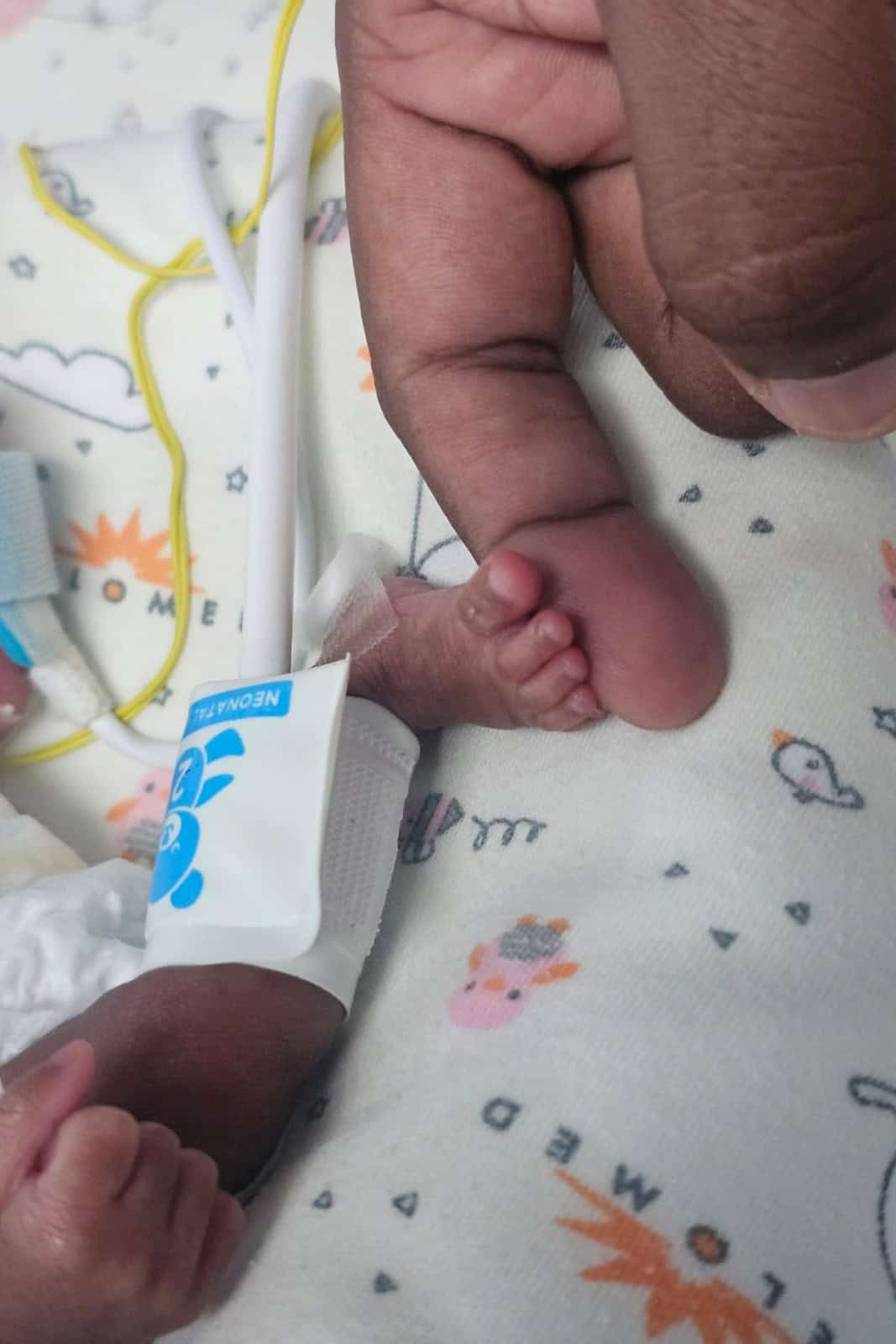
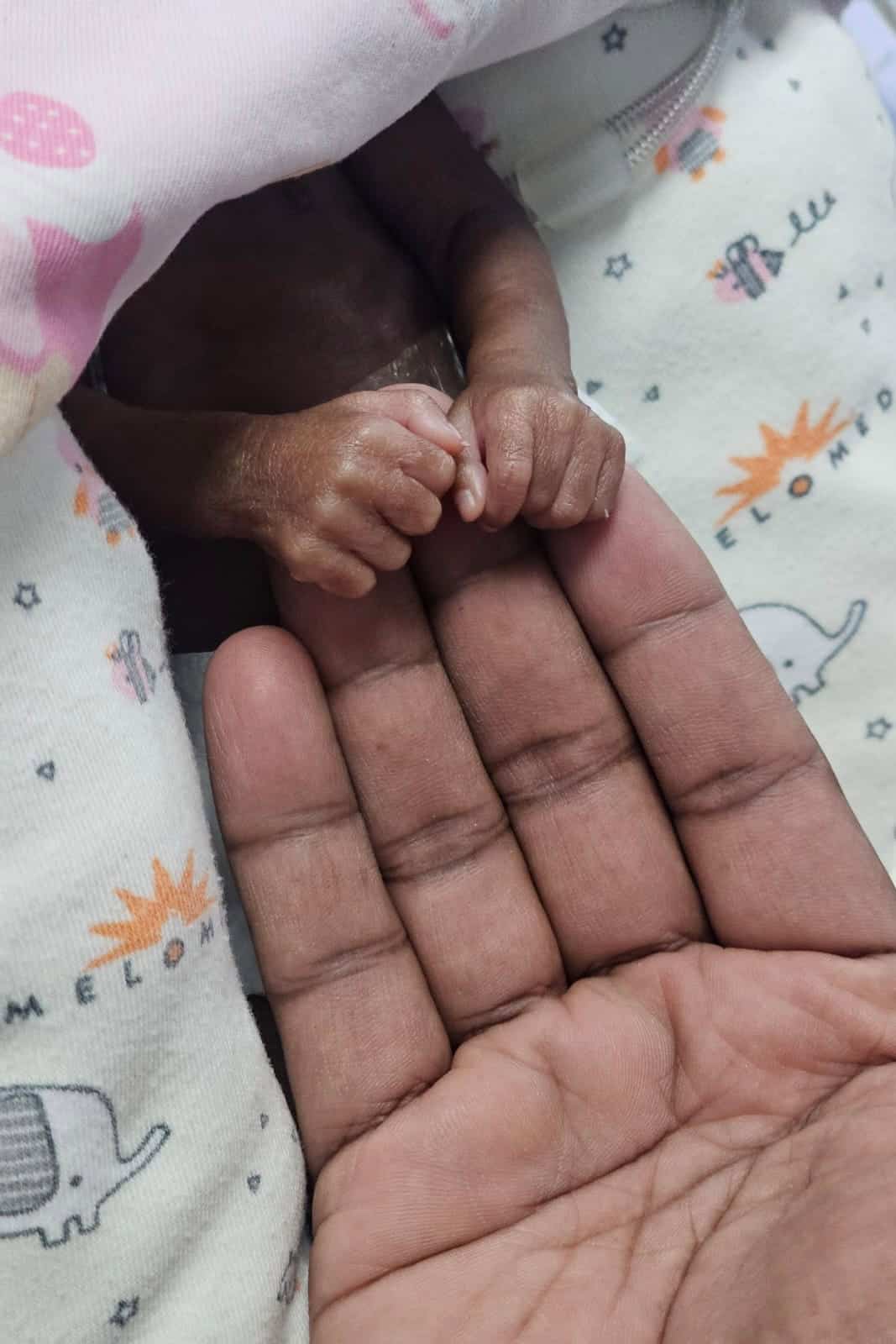
Beyond the medical complexities lies the emotional journey of the parents. Having a baby in a neonatal intensive care unit is overwhelming. Families experience fear, uncertainty, and hope – often within the same day.
Supporting parents through transparent communication and encouraging bonding, including skin-to-skin contact when medically appropriate, plays an important role in recovery. Bonding is not only emotional, it contributes to improved temperature regulation, feeding success, and weight gain.
After months of dedicated care, this baby was discharged home at 3.0 kilograms. The journey from 350 grams to 3.0 kilograms reflects the remarkable advances in neonatal medicine and the power of perseverance from both family and healthcare teams.
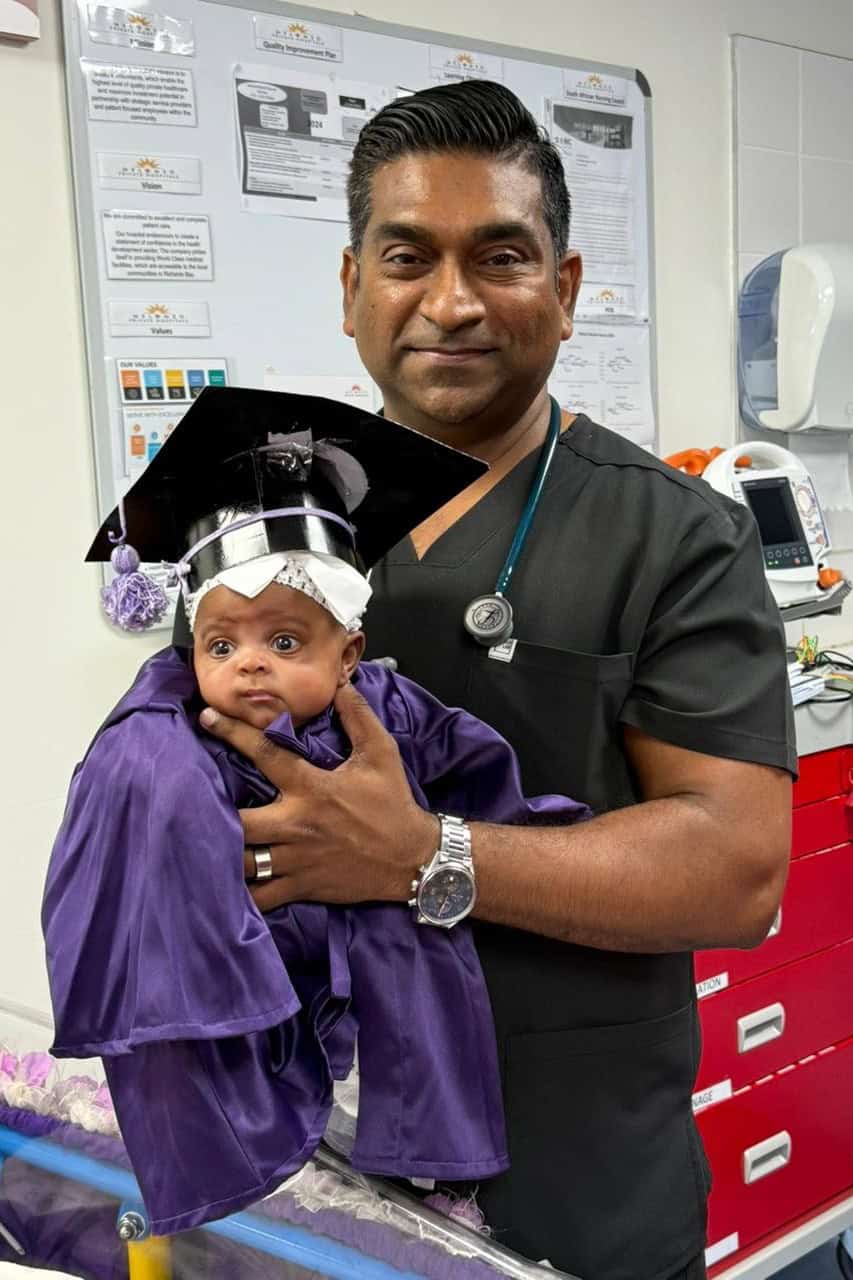
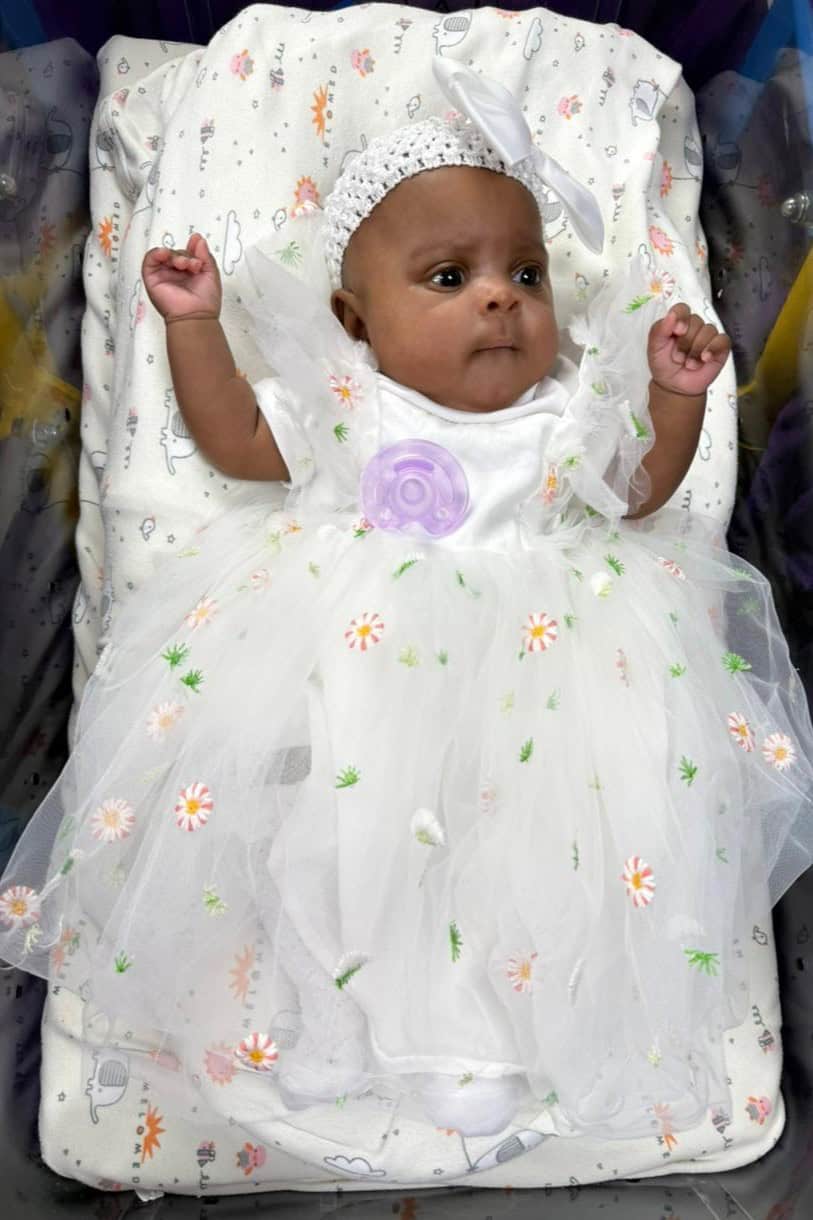
Premature birth remains a significant challenge in South Africa.
Common causes include infection, hypertensive disorders of pregnancy, multiple gestations, cervical insufficiency, and placental complications. While not all premature births can be prevented, early antenatal care, managing chronic conditions, and seeking urgent medical attention for warning signs such as abdominal pain, bleeding, fluid leakage, or reduced fetal movements can improve outcomes.
Birth Defects Awareness Month
March also marks Birth Defects Awareness Month, an important reminder of the need for education, prevention, and support.
Birth defects are structural or functional conditions present at birth. Globally, approximately one in 33 babies are affected. Most develop during the first trimester, often before a mother knows she is pregnant.
Risk factors may include genetic conditions, maternal diabetes, infections, alcohol exposure, and folate deficiency.
Preventative steps such as taking folic acid before conception, attending early antenatal care, managing chronic illness, and avoiding alcohol and smoking can reduce certain risks.
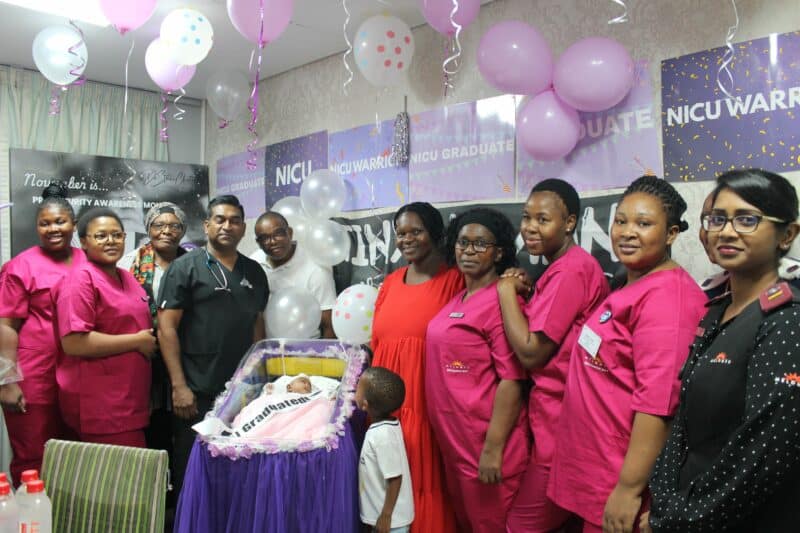
Modern medicine has dramatically improved detection and outcomes. Many congenital conditions can be identified during pregnancy through ultrasound and screening tests. Advances in surgery, neonatal care, and early intervention therapies have significantly improved survival and long-term quality of life.
For families facing either prematurity or congenital diagnoses, early medical engagement is essential. If parents have concerns about a baby’s development, early assessment and intervention can meaningfully alter outcomes.
The message to our community is clear: early care saves lives, and awareness empowers families.
And every child, regardless of their start in life, deserves dignity, opportunity, and hope.
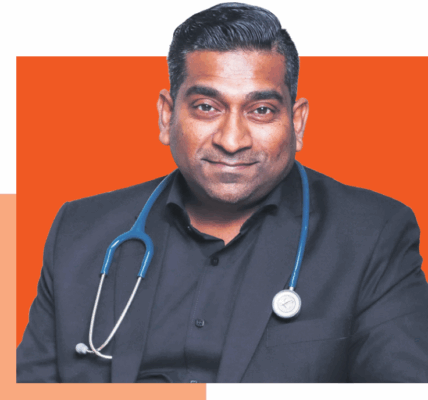

Dr Strini Chetty
Specialist Paediatrician
035 791 5535 | info@drstrinichetty.co.za
Melomed Richards Bay Private Hospital
CNR of N2 and MR496 (John Ross Highway)
Tel: 035 791 5300 | E: info@melomed.co.za
www.melomed.co.za
PROVIDING AFFORDABLE QUALITY HEALTHCARE.