
Roaring Majesty: Unravelling the epic saga of lions and their fight for survival
World Lion Day is observed annually on 10 August
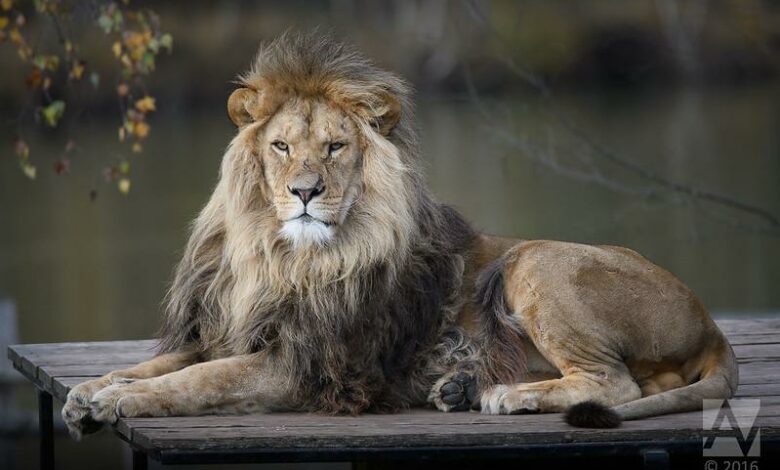
In the heart of the African wilderness, a symphony of power and grace echoes through the savanna – the thunderous roar of the majestic lion.
But beneath this awe-inspiring facade lies a saga of resilience, struggle, and a battle for survival that will leave you in awe.
These magnificent big cats have captured the human imagination for centuries with their unrivaled social structure and awe-striking manes. But do not let this majesty deceive you, for behind their golden eyes lies a world of challenges threatening their existence.
In this article, we’ll delve into the enthralling world of lions, exploring the epic journey of conservation, population dynamics, and the latest research that unveils the hidden truths behind these regal beings.
Lions face an array of threats, the vast majority of which can be attributed to humans.
Lions are poisoned in some cases, for example, as a preventative measure to prevent them from killing valuable livestock.
Conversely, poachers target the species for their bones and other body parts, which are highly valued in the illegal wildlife trade.
The role that trophy hunting plays in this conflict is highly controversial. While some argue that hunting fees generate money for lion conservation efforts, others point out that mismanaged hunting in the past has caused lions to disappear from certain habitats.
Conservation: The grand quest for balance
Lion conservation efforts involve a delicate balancing act between preserving their natural habitats, minimising human-wildlife conflict, and managing sustainable populations.
One successful initiative has been the establishment of protected areas and national parks, which offer safe havens for lions to thrive. Countries like Kenya, Tanzania, and South Africa have made strides in creating these protected spaces, allowing lions to maintain stable populations.
However, despite these efforts, some challenges persist. One issue is the encroachment of human settlements into lion habitats.
As human populations expand, people and lions are brought into closer proximity, leading to increased conflict and potential loss of livestock, which can provoke retaliatory killings of lions by local communities.
Understanding population dynamics is also crucial for effective lion conservation.
Over the last few decades, lion populations have experienced fluctuations owing to various factors. According to a study conducted by the Lion Recovery Fund, there has been a noticeable decline in lion populations in certain regions, such as West Africa, where they are now classified as critically endangered.
The importance of research in conservation
Scientific research plays a pivotal role in understanding lion behavior, biology, and their interactions with the environment. Conservationists and researchers employ various methods, including radio telemetry, satellite tracking, and genetic analysis, to gather valuable data on lion populations.
Recent research has shed light on the genetic diversity of lion populations, which is crucial for their long-term survival. It has been discovered that some populations have become genetically isolated, leading to reduced genetic variation.
This poses a risk of inbreeding depression, making these isolated populations more susceptible to disease and environmental changes.
Furthermore, behavioral studies have highlighted the importance of pride dynamics and the roles of different members within a pride.
As the sun sets on the savanna, let us remember that in the hands of humanity, the future of lions rests; a future where the roar of the ‘King of the Jungle’ remains eternal, resonating across the vast landscapes of Africa, a timeless ode to the untamed spirit of nature’s royalty.
For more, click here
HAVE YOUR SAY
Like our Facebook page and follow us on Twitter.
For news straight to your phone invite us:
WhatsApp – 060 784 2695
Instagram – zululand_observer