
Regular vehicle checks vital for road worthiness
Legal requirements for roadworthy checks can leave opportunity for neglect that can result in tragic consequences
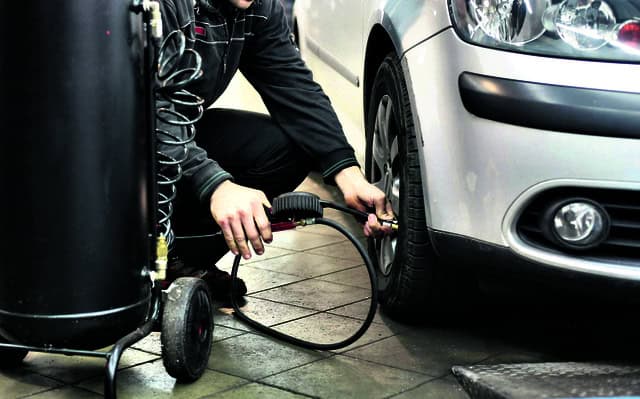
Roadworthy checks are both a legal requirement and responsible approach to ensuring your vehicle’s safety on the road.
Unfortunately, legal requirements for roadworthy checks can leave opportunity for neglect that can result in tragic consequences.
Legal requirements:
· Passenger vehicles require roadworthy testing only when ownership changes
· Public transport (including minibuses) and heavy commercial vehicles need annual roadworthy checks
· Buses must have roadworthy checks every six months.
“Particularly in passenger vehicles, which can be used for many years before a roadworthy check is required, fleet managers should make roadworthy checks a regular requirement irrespective of legal requirements,” said MasterDrive CEO Eugene Herbert.
“The onus to ensure a vehicle meets roadworthy requirements rests with both fleet managers and drivers.
“While a fleet manager is responsible to initiate repairs or replacements to ensure vehicles are roadworthy, it is often drivers that first identify these issues.
“Processes should be instituted with zero tolerance for neglecting pre-trip inspections. These inspections will be the first identification of issues and consequent timely corrective action. Road safety is a collective approach where all individuals work together to achieve this.”
Herbert added that there are two ways in which regular roadworthy checks can be conducted.
“The typical vehicle components that are checked include the engine, lights, indicators, tyres, brakes, brake fluid, handbrake, steering and alignment, shocks, exhaust system, windows, windscreen, windscreen wipers and doors.
“Ultimately, due to the role these components play in road safety, it is often best that a professional performs the roadworthy checks. They will quickly identify problems, and rectify issues faster than a fleet manager may do,” he said.
A roadworthy vehicle that both drivers and fleet managers can trust will ensure they arrive safely at their destination – this cannot be underestimated.
“Each time a vehicle leaves an organisation, both fleet managers and drivers need to be sure their vehicles will not fail them in the worst possible way,” said Herbert.
Don’t have the ZO app? Download it to your Android or Apple device here:


HAVE YOUR SAY
Like our Facebook page and follow us on Twitter.
For news straight to your phone invite us:
WhatsApp – 060 784 2695
Instagram – zululand_observer