
Do you know what to do when a disaster strikes?
Hurricane #melissa: 7 tips to stay safe when disaster strikes
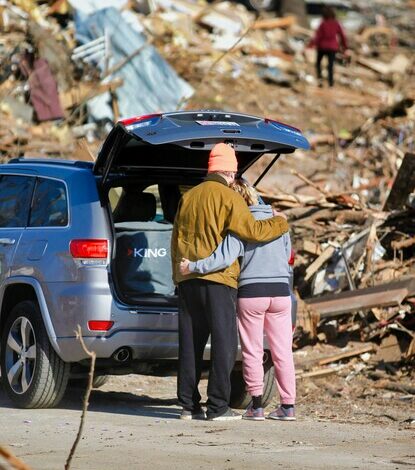
As Jamaica reels from the devastating impact of Hurricane Melissa – a record-breaking category 5 storm that ripped through the Caribbean island this week – it’s a sobering reminder that extreme weather is becoming the new normal.
South Africa, too, experiences severe weather, most recently the tornado that tore through Tongaat, the devastating KZN floods of 2022, and increasingly unpredictable seasonal storms and tropical cyclones showing we’re not immune to nature’s fury.
So, what can Zululanders do before disaster strikes?
1. Know the risks
South Africa faces a mix of natural hazards, from floods and fires to windstorms, drought, hail, tropical cyclones, lightning, and even occasional seismic activity.
While large-scale earthquakes are rare, tremors, especially from mining regions, can still cause damage. In KZN, our biggest risks include:
· Flooding
· Severe storms with lightning, hail and strong winds
· Wildfires, especially in hot, dry inland areas
· Landslides, often following heavy rain in steep terrain
2. Pay attention to warnings
South Africa has a strong weather monitoring system led by the South African Weather Service (SAWS).
When a warning is issued, it’s best to take it seriously. Move vehicles under cover, secure outdoor items, and avoid unnecessary travel. Warnings are often issued through:
· SAWS alerts shared on Zululand Observer’s social media platforms
· Municipal disaster management offices
· Local WhatsApp or community safety groups
3. Make a family disaster plan
If disaster strikes, confusion can cost valuable time. Sit down with your household and create a family disaster plan, and practice it, especially if you have children. Knowing what to do can prevent panic later. The plan should include:
· Meeting points in case you’re separated
· Emergency contacts (including a relative outside your area)
· Safe evacuation routes if you need to leave home quickly
· Pet care plans during emergencies
4. Prepare a basic disaster kit
A few simple items can make all the difference in an emergency. Store them in airtight containers or a grab-and-go bag. Ideally, you should keep one kit at home and a smaller version in your car. Essential items include:
· Bottled water (1 gallon per person per day)
· Non-perishable food
· Torch and extra batteries
· First-aid kit
· Whistle (to signal for help)
· Cellphone power bank or backup battery
· Plastic sheeting, duct tape, and garbage bags
· Mask or cloth for filtering air
· Local maps and emergency numbers
· Wet wipes and personal hygiene items
5. Secure your home and car
When you receive an alert that bad weather is on the way, you need to do what you can to prepare your car and home. This includes:
· Move your car under cover or use a thick blanket to protect against hail.
· Clear gutters and drains to prevent flooding.
· Trim overhanging branches.
· Keep important documents in waterproof containers or scan and back them up digitally.
· If you live near a river or floodplain, have sandbags ready to block water entry points.
6. Stay safe during the disaster
These are some lifesaving tips for what to do when disaster actually strikes:
· Floods: Never drive or walk through flooded roads as water can be deeper or faster-moving than it looks.
· Storms: Unplug appliances to prevent lightning damage and stay away from windows.
· Fires: If you’re near a wildfire, close all windows and vents, and be ready to evacuate when instructed.
7. Learn first aid
Basic CPR or first-aid training can save lives. You can also volunteer with local community safety networks as every pair of hands counts in an emergency.
You might not be able to stop a storm, but with a plan, a kit, and a bit of know-how, you can keep your family safe and help your community recover faster when nature unleashes her power.
SOURCES: www.ready.gov | www.mdem.maryland.gov | www.dailymaverick.co.za
Don’t have the ZO app? Download it to your Android or Apple device here:


HAVE YOUR SAY
Like our Facebook page and follow us on Twitter.
For news straight to your phone invite us:
WhatsApp – 060 784 2695
Instagram – zululand_observer