
KZN rhino slaughter stats plunge after king’s intervention
Hluhluwe-iMfolozi Park has recorded just 32 rhino poaching cases this year, down from 73 last year and 198 in 2024.
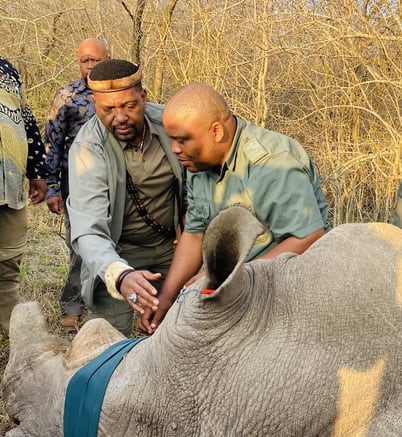
A dramatic decline in rhino poaching at Hluhluwe-iMfolozi Park (HiP) has raised hopes that one of KZN’s hardest-hit conservation areas is turning a corner.
The park has recorded just 32 rhino poaching cases this year, down from 73 last year and 198 in 2024.
ALSO READ: Ezemvelo donates 20 rhinos to Botswana
The turnaround comes after King Misuzulu kaZwelithini, recognising the dire situation after years of relentless pressure from poachers targeting the park’s rhino population, called for an end to the slaughter.
Speaking at a World Rhino Day commemoration at HiP on Tuesday, Misuzulu urged communities to reject rhino poaching and protect the species as a vital tourism and economic asset for the province.
He described rhino poaching as ‘organised crime’ and challenged communities to look beyond protecting the animals, to find ways to benefit economically from their conservation.
“We need to find it among ourselves to capitalise on our rhinos as a country and province,” said Misuzulu, adding that protecting wildlife is directly linked to the growth of the tourism industry.
“I will do everything in my power to work with Ezemvelo and iSimangaliso because that is where our potential is as a province,” he said.
Ezemvelo KZN Wildlife CEO Sihle Mkhize said HiP had been under severe attack from poachers over the past three years, with rhinos being killed at an alarming rate.
“I am pleased to report back to His Majesty that your intervention has yielded results as poaching activity has decreased significantly since then,” said Mkhize.
Mkhize attributed the decline partly to the mass dehorning of rhinos, a controversial but necessary last-resort conservation measure introduced at HiP in 2024 to make the animals less attractive targets for poachers.
HiP holds particular significance in rhino conservation, having played a central role in the protection and recovery of populations globally.
The park’s conservation legacy has made it a critical battleground in the fight against rhino poaching, while its wildlife remains an important drawcard for KZN’s tourism economy.
Despite the decline in reported cases, conservation authorities continue to face the threat posed by organised poaching networks, with the survival of the species dependent on sustained protection, community involvement and effective law enforcement, with millions of rands in technological support to end the scourge.
Don’t have the ZO app? Download it to your Android or Apple device here:


HAVE YOUR SAY
Like our Facebook page and follow us on Twitter.
For news straight to your phone invite us:
WhatsApp – 060 784 2695
Instagram – zululand_observer
TikTok – @zululand_observer