
Summer water safety encouraged as matrics finish exams
NSRI issues water safety warning as matrics conclude exams and head out to celebrate
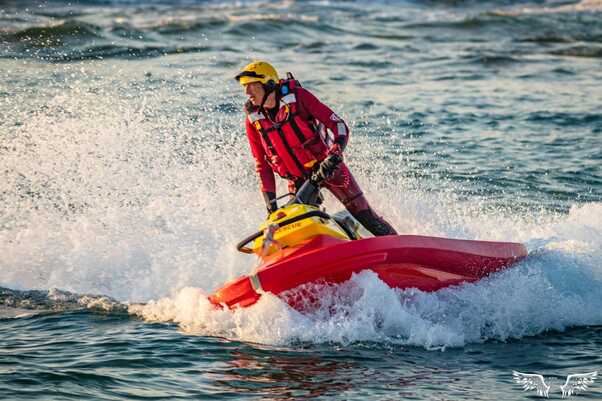
IT’s officially pens down for the matric Class of 2026 who wrote their final exam on Friday.
While many will rush off to celebrate, the National Sea Rescue Institute (NSRI) warns learners to exercise extreme caution, particularly at beaches, swimming pools, rivers and dams.
ALSO READ: Ingwavuma stitch art a big seller in the UK
The NSRI emphasises that drowning can happen quickly and too often; a celebration ends in a drowning that could have been prevented.
“You have worked hard to get here, and you deserve to celebrate,” said Andrew Ingram, NSRI head of communications.
“The NSRI asks that you look after yourselves, your friends and loved ones around water. Make smart choices, swim where lifeguards are on duty and know who to call if something goes wrong. We want every one of you to start the new year safely,” added Ingram.
The youngsters are also urged not to swim or undertake water activities after consuming alcohol.
“Alcohol slows reactions, impairs judgement and coordination, and makes people overconfident.
“Swimming or boating after drinking is as dangerous as drinking and driving, and cold water, waves and currents are far harder to handle when intoxicated,” stated Ingram.
“The NSRI encourages groups of friends to agree before the party starts that nobody swims after drinking, and to look out for one another. Swimming alone, after dark or late at night after a party, should be avoided.”
Rip currents
According to the NSRI, rip currents remain one of the biggest dangers to swimmers.
“These strong channels of water pull people away from the shore and are hard to spot, even for confident swimmers.
“Lifeguards are trained to identify them, which is why the NSRI urges beachgoers to choose beaches where lifeguards are on duty and to swim between the red and yellow flags.
“Anyone caught in a rip current should not panic or try to fight it. Instead, they should float, wave for help, and swim parallel to the shore until they are free of the current, then head back to the beach.”
When you spot someone in difficulty, call a lifeguard or the NSRI and throw the person something that floats.
“Nobody should go into the water to help without a flotation device, such as a Pink Rescue Buoy or a surfboard. Too often, the person trying to help becomes a second casualty,” said Ingram.
Don’t have the ZO app? Download it to your Android or Apple device here:


HAVE YOUR SAY
Like our Facebook page and follow us on Twitter.
For news straight to your phone invite us:
WhatsApp – 060 784 2695
Instagram – zululand_observer
TikTok – @zululand_observer