
Unusual holiday traditions celebrated around the world
Celebrate Christmas a little differently this year
WITH 2020 being a topsy-turvy year, it might be time to replace your annual Christmas celebrations with something new and different.
Here are eight unusual holiday traditions celebrated around the world!
La Befana – Italy
An ugly, but kind old witch – known as Befana – controls the giving of gifts. On the eve of Epiphany (5 January), parents leave out a plate of broccoli with spiced sausage and a glass of wine for Befana.
Traditionally, the good witch flies around on her broom, entering houses through chimneys and delivering clothing, toys and candy to all the good children via Christmas stockings.
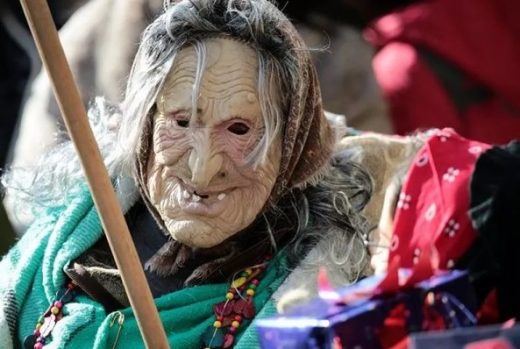
PHOTO: Matteo Chinellato/Corbis via getty images
KFC dinner – Japan
Christmas is not traditionally celebrated in Japan, so instead of Christmas turkey, citizens order KFC on 25 December.
The Colonel’s special recipe fried chicken is so popular that the chain asks customers to place their orders at least two months in advance.
The feast began in 1974 when it was introduced in Japan for visitors wanting a dinner that resembled a traditional holiday meal.

PHOTO: Getty images
El Caganer – Spain
El Caganer is the most important holiday figurine in Spain.
Translated to ‘the defecator’, the porcelain doll is displayed squatting with his pants down.
Legend has it that farmers would be punished with a poor crops and bad fortune if they do not include El Caganer within their nativity scenes.
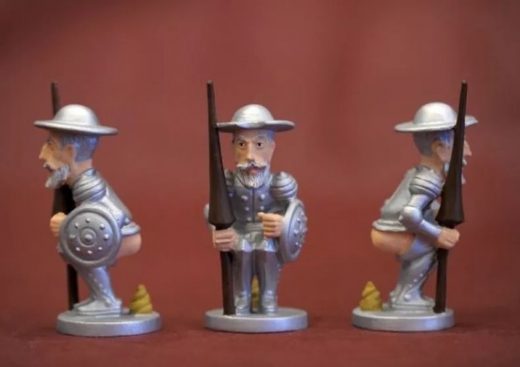
PHOTO: Getty images
Carols with dead horses – Wales
This tradition, a celebration of Mari Lwyd, is held anytime between Christmas and late January for good luck.
One person will dress as a horse with an actual horse’s skull, and is usually accompanied by a group of people.
The group will visit homes singing carols in exchange for food and drinks. It’s believed to originate from ancient Celtic rites.
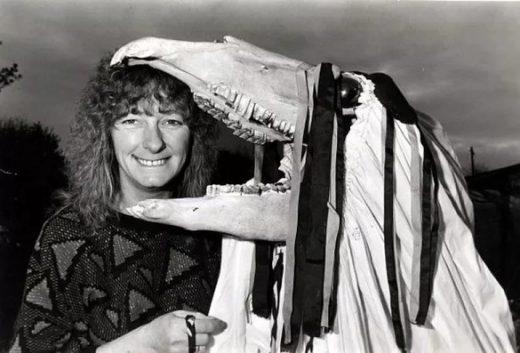
PHOTO: Western mail archive/mirrorpix/getty images
Spider web tree – Ukraine
Christmas trees in Ukraine are often covered in spider webs in memory of a poor family who are believed to have grown a Christmas tree from a pine cone.
The children were excited about decorating their own Christmas tree, but the family was poor and could not afford decorations.
When they woke up on Christmas morning, they found spiders had spun webs around the tree’s branches. Today, Ukrainians adorn their trees with spider webs to receive good luck for the coming year.
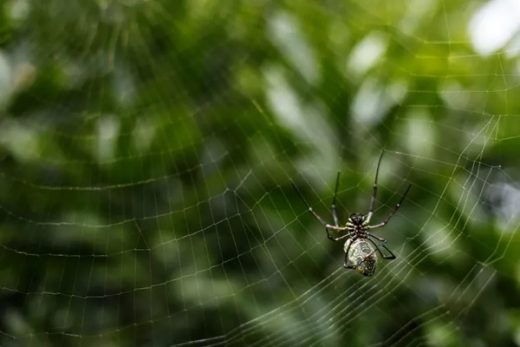
PHOTO: Reuters pictures
Krampus – Austria, Germany, Hungary
The beast-like creature, Krampus, shows up to punish badly behaved children. If he discovers a particularly bad child, he bundles him into a sack and carts him away, presumably as a midnight snack.
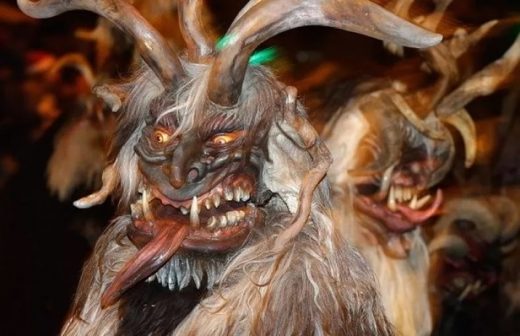
PHOTO: Getty images
Night of the radishes – Mexico
Every year on 23 December, the Mexican state of Oaxaca presents the most impressive display of carved vegetables.
Radishes are grown especially for this event, and remain on display on Christmas day.
Originally, the tradition of radish carving was done by shopkeepers who wanted to entice people into their stores.
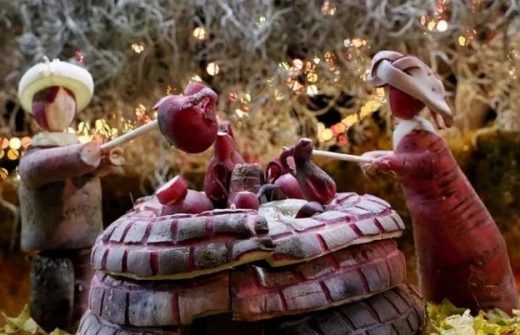
PHOTO: Getty images
The Yule Cat – Iceland
The Yule Cat (Jólakötturinn or Jólaköttur) is a huge, vicious cat from Icelandic folklore that lurks during Christmas time to eat people who have not received any new clothes to wear before Christmas Eve.
It began as a threat used by farmers so workers would finish processing the autumn wool before Christmas. Those who did would be rewarded with new clothes, but those who did not would get nothing… and be eaten by the monstrous cat.
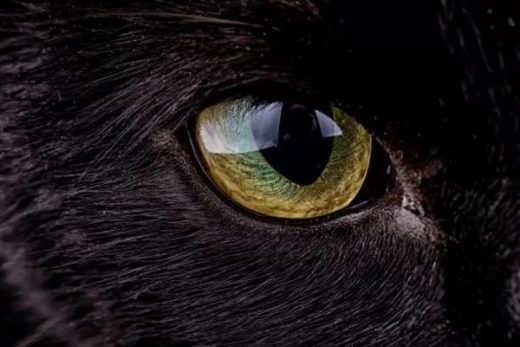
PHOTO: Getty images
HAVE YOUR SAY Like our Facebook page and follow us on Twitter.
For news straight to your phone invite us:
WhatsApp – 060 784 2695
Instagram – zululand_observer