Mtsweni is the voice for the voiceless
Health worker, Fikile Mtsweni says being HIV positive is no longer a death sentence.
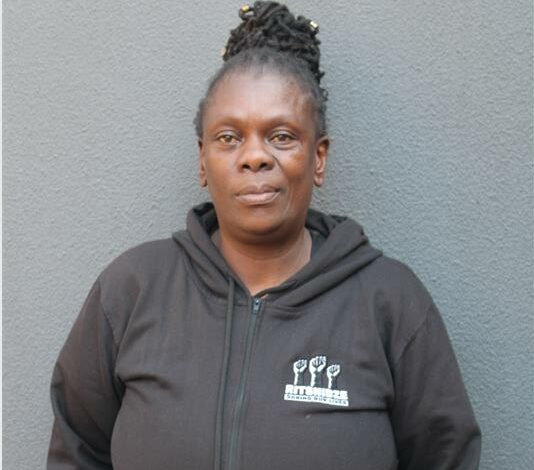
Kwa-Thema – When Fikile Mtsweni tested HIV positive in 2001, she thought that this was the end of the road for her and feared that her death was near.
Twenty-one years later, she is the voice of the voiceless living with the virus nationally through Treatment Action Campaign and PLHIV (People living with HIV).
The 50-year-old mother of four is living with HIV and has dedicated her life to educating people about the virus and fighting for the rights of patients in 50 clinics in Ekurhuleni.
She explained that she has gone through most stages of living with HIV/Aids and is using her experience to empower others.
Also read: Women take a stand against gender-based violence
“I still recall the moment the nurse told me I am HIV positive. I had gone to the clinic to test for TB as I had a recurring cough that refused to go away.
“I kept asking myself why me and mostly feared that I was going to die soon because, at the time, the virus was known to be claiming the lives of many,” she explained.
Mtsweni added that through the support of her sister, who is a professional nurse, and family members she was able to claim back her health.
“I decided to put up a fight against the virus, listened, interrogated for explanations and answers because I wanted to live and refused to be captive by the virus,” she said.
Unfortunately, there was no treatment at the time. She had to wait for six years to finally qualify, but her body rejected it.
Also read: Why you should discuss HIV with your teenager
She had to be hospitalised and was bedridden for two months fighting for her life with a low CD4 but came out ready to put up a fight against the virus.
Mtsweni added that it pains her that there are still people who refuse to take treatment, dying in pain from the virus and stigmatising others while there is so much education available.
Different organisations have done a lot to educate people about the virus, its treatment and its side effects yet there are still people who choose to listen to stereotypes.
Mtsweni said it pains her to see young people not taking charge of their health.
“You only have to take one pill a day – you have a choice to take PREP to prevent infection or use protection. They have all the resources at their disposal to fight the virus,” she added.
Follow us on: