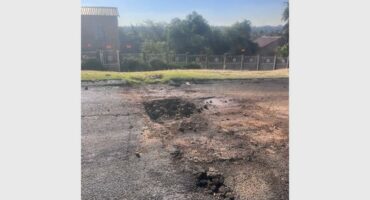
Safety tips: electrocution accidents
An electrical connection is considered illegal when it is made from the source network without relevant permission, and safety procedures are seldom followed in these incidents.
Electricity is a basic commodity used by many for daily needs; however, it can also be destructive to property or even dangerous to lives if not properly handled.
During winter it is predominantly used as a heat source and many fall victim to its dangers, mainly those who are exposed to illegal connections.
An electrical connection is considered illegal when it is made from the source network without relevant permission, and safety procedures are seldom followed in these incidents. Doing this poses a great risk as it overloads the system, which often causes the power connection to trip, fail or cause a fire.
In some extreme cases with high-voltage electricity, it can cause death. Illegal connections are usually made by unqualified electricians, which don’t have the required electrical protection. Wiring is run on makeshift poles and some lie exposed, endangering community members.
These types of connections are commonly referred to as izinyokanyoka. In some instances, substations are overloaded by illegal connections, resulting in breakdowns and failing to supply the required energy as intended; hence, load-shedding occurs.
The City of Ekurhuleni Disaster and Emergency Management Services (DEMS) prerequisites are to save lives and property. Several lives and property have been lost as a result of accidents and tampering with high-voltage electricity. Charred bodies have been recovered from scenes after they were electrocuted.
Causes of electrocution accidents:
• Downed high-voltage power lines in the area of inhabitants and individuals trying to take matters in their own hands.
• Unsafe and uncontrolled usage of electrically powered tools through unsafe acts and unsafe conditions.
• Defective electrical appliances repaired by an unqualified technician.
• Overloading of circuits and non-functional circuit breaker, allowing the current to pass through.
• Unprotected electrical sockets.
• Touching or stepping on a carelessly laid cable left by those who steal electricity.
• Tampering with overhead high-voltage power lines.
• When people try to connect electricity on their own, electrocution can occur.
Illegal connections are not safe as they are usually done by unqualified people who don’t only risk electrocuting themselves, but also expose other people to danger and the risk of injury and death. An additional risk is that illegally connected wires can make contact with roofs, gutters and washing lines, making these items live and able to conduct electricity.
Safety tips
• Do not pull out plugs by the cord. This damages the cable and can lead to electrical wires being exposed.
• Do not put bare electrical wires into sockets.
• Do not touch any electrical appliances with wet hands.
• Never use electricity in the bathroom; water and electricity are a dangerous combination.
• Do not pass electric cords from one room to another through hinges of doors or windows where they can be squashed or damaged.
• Do not overload plug points.
• Never leave electrical appliances unattended while in use.
• Switch off heaters, stoves and kettles when no longer in use.
• Ensure you purchase electrical products from reputable companies, distributors and retailers.
• Be cautious when pruning vegetation between high-powered electrical lines. Isolate the power supply before pruning.
If your children enjoy playing outside, warn them about the following:
• Avoid playing near power lines or substations.
• Do not fly kites near power lines. If a kite gets stuck in a power line, do not try to retrieve it.
• Never climb trees or other structures near power lines.
Avoid connecting electricity illegally. Only authorised or qualified electricians may connect electricity when required.
Emergency numbers
• Life-threatening Ekurhuleni Emergency Line: 011 458 0911
• National toll-free number: 10177 or 112 from a cellphone
*Issued by William Ntladi, district manager media liaison DEMS