Johannesburg Society for the Blind take their perfomance to National Art Festival
In terms of the number of attendees, the festival art is one of the largest performing arts festivals in the world as well as the largest arts festival on the African continent
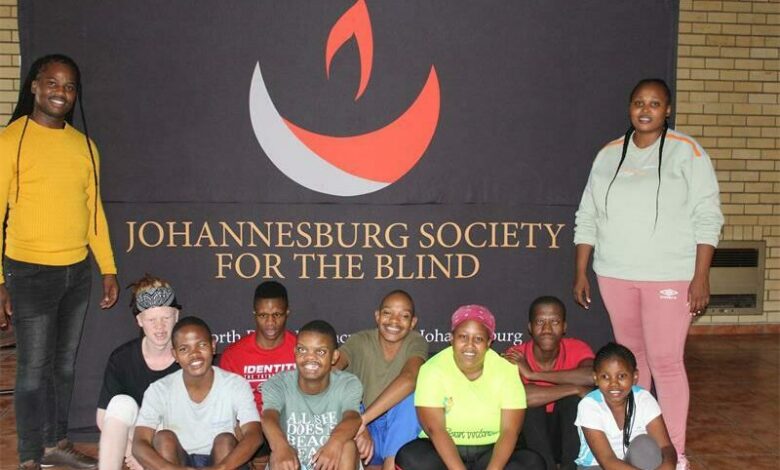
Johannesburg Society for the Blind, in collaboration with Johannesburg Child Welfare Thembalethu, has the opportunity to take part in the National Arts Festival, in Makhanda, from June 22 to July 2.
They will be on stage with their performance of the play, The Stories We See.
The festival, held every year for 11 days from the last week of June to the first week of July, takes place in the Eastern Cape province, in the small town called Makhanda, previously known as Grahamstown.
An opportunity not to be missed
Gcebile Dlamini, an organiser and an independent director for the play, said she applied to perform at the festival because she believes they have a story to tell.
“I believe in these children and I also believe that their disabilities do not define them.
“I’ve been an independent director or, more accurately, a social activist through art for quite some time. I mostly work with community theatres and organisations that help marginalised people. My work is based on a personal narrative. I’ve been working with the Society for the Blind for the past two to three years through the company where I worked, before being laid off during Covid-19.
“As a result of the retrenchment, I decided to work as an independent director, bringing together both organisations under the title The Stories We See. The play is about how a resident of Johannesburg for the Blind became blind and how his life has changed since then. The play is mainly based on JSB residents, with Johannesburg Child Welfare Thembalethu helping them interpret their personal life as supporting actors in the play.”
In dire need of help
“We have a few things planned for the year, including the National Arts Festival in June and the Cradle of Creativity in August, an international festival for young audiences.
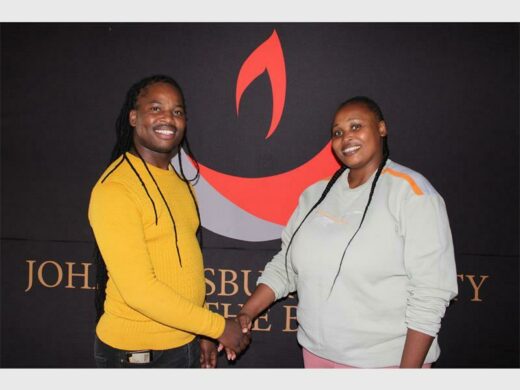
“But first we are looking at making it possible to travel to Makhanda and raising funds to travel there with both organisations. We are in desperate need of funds and require at least R180 000 to cover our travel expenses, lodging, and other needs, but we are hoping for R450 000 because with R180 000 we will compromise a lot of things, but will be grateful.
“There are many artists not accepted at the festival, so being accepted came as a surprise because. We do not want to miss such an enormous opportunity and expect to be there from June 26 to July 2.“ she said.
Gcebile said such opportunities are important to marginalised people because she believes it instils confidence as the play is about them narrating how they became blind.
“I’m overjoyed because when I started the play, there were only three people and now they are 11. I started this because I believe drama opens them up in some ways. Working with personal narratives, trusting the space and just ‘speaking’ their stories is very difficult and another level of healing and therapy. It can feel like being re-traumatised, but it reaches a point where it is easy to share your story,” said Gcebile.
To walk unafraid
Chief operations officer of the JSB Nkosana Kubheka said the mandate of their organisation is to assist the blind in walking unafraid in all aspects of life.
“We are dealing with people who are differently able. Through the production of The Stories We See, we are bridging that gap and breaking down the barriers of inequalities. People with any form of disability have the same rights as any other person and can participate in sporting codes of their choice and extramural activities just like any other person.
“Their disability should not be an excuse not to flourish in life. Who thought a blind person performing at this big national arts festival? This production is a great initiative because it is the organization’s mandate to bring what is available in mainstream society to the blind people we serve at JSB.”
To leave a mark
“Even the blind cast from JSB is looking forward to performing in the National Arts Festival, and showing the world that their disabilities don’t define who they are, but they can achieve anything. Part of what I have realised is that art is a form of therapy because when they tell people about how they became blind, they leave some details out, but through art, they can express themselves much better,“ Nkosana said.
In conclusion, Kubheka made a call to the community to contribute to making their trip to Makhanda a success.
He indicated they needed a helping hand as they are an NGO that depends on donor funding. The cast members also come from different family backgrounds and are not able to pay for themselves. They need transportation, accommodation and meals and they would appreciate any form of donation.
“This is not just a play about us performing in Makhanda, but we would also be raising awareness about people with disabilities and raising hope for those who have disabilities,” said Kubheka.
One of the cast members, Kamohelo Mtshweni, expressed excitement and a desire to show people that even though you may live with disabilities, you can achieve great things.
“Most people dismiss us and believe we are incapable of doing what others can. We want to use this opportunity to show all that we can do.”
Kamohelo emphasised all they want is people’s support and love, and that they should understand that they are also human and wish to be treated as such.