Alberton-based Sepedi author Phuti Seboni wins top non-fiction award
The author received recognition at the 2026 Limpopo Arts & Culture Awards for his fourth book, while two of his titles have also featured in Mpumalanga school examinations.
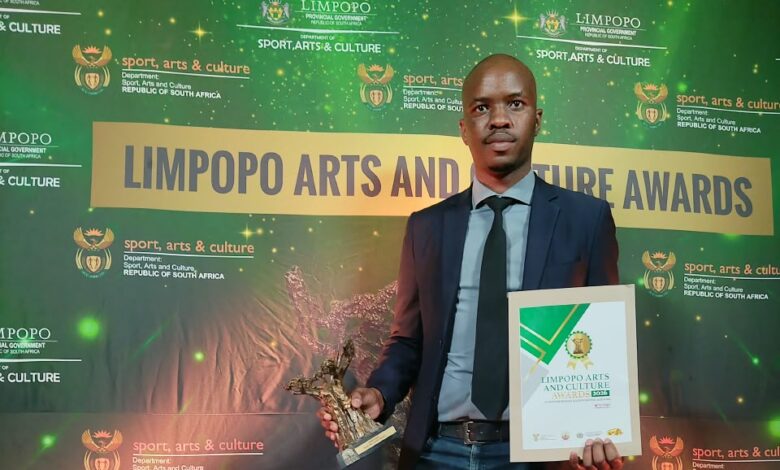
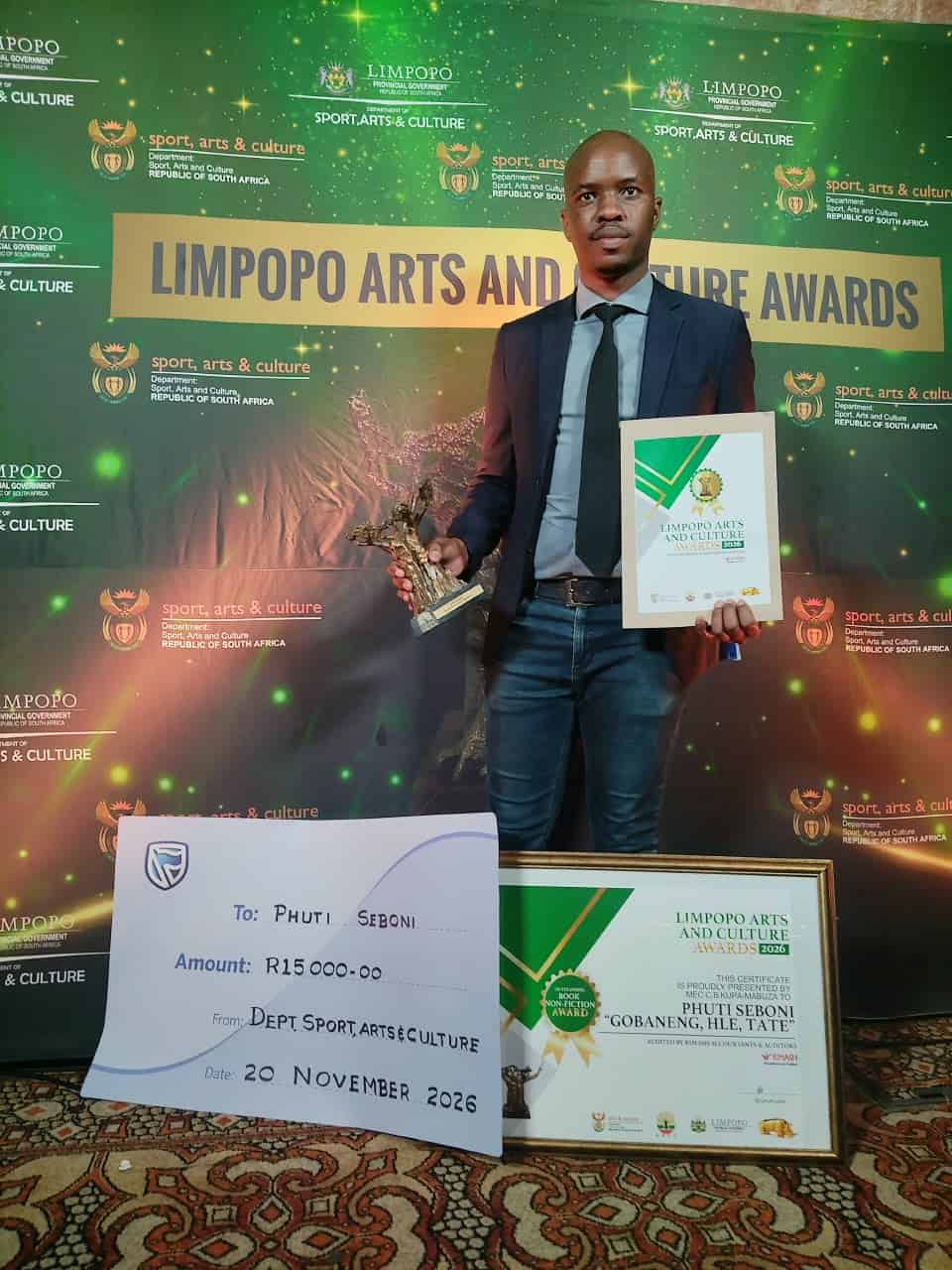
Alberton-based Sepedi author Phuti Seboni is celebrating a major milestone after winning the outstanding non-fiction title at the Limpopo Arts & Culture Awards 2026.
Seboni won the award for his fourth book, Gobaneng Hle, Tate?, which explores the consequences of father abandonment and the impact it has on children and families.
Two of his books were also featured in Mpumalanga examination papers this year.
The recognition holds particular significance for Seboni, who was born and raised in Limpopo and has entered literary competitions and awards across different provinces in pursuit of recognition for his work.
“When I first heard that I was nominated, I felt so happy because it was my wish to participate and be recognised in my province,” he said.
Seboni said he had previously received recognition in KwaZulu-Natal, including an award in Pietermaritzburg last year, but winning in his home province was especially meaningful.
“I write in Sepedi, and today my work got recognised in my province. That is something big to me,” he said.
He described the award as an indication that his efforts were not going to waste and that he was moving in the right direction as a young author dedicated to promoting his language.
For Seboni, the award also represents progress in his journey, with each achievement motivating him to continue writing and protecting indigenous languages.
School examinations
His recognition extends beyond the literary awards circuit, with his work reaching learners in Mpumalanga through their Sepedi Home Language examinations.
In June, Grade Eight learners were examined on his book Lesogana la Mahlale, while Grade Eight learners wrote an examination featuring Gobaneng Hle, Tate? on November 12.
The November examination included a comprehension passage from the book, followed by questions testing learners’ understanding of the text.
Seboni said seeing his work printed in examination papers was something he had hoped to achieve, but the significance now extended beyond his personal accomplishment.
“My vision is to motivate and be a South African inspiration to the kids. I guess I found a way to motivate kids because my books are all about instilling hope in the youth,” he said.
He thanked the examiners for believing in his stories and his writing, adding that having his books used in assessments had also opened doors to opportunities within the publishing industry.
Seboni said he was currently in discussions with a major university press about possible collaborations involving educational and schoolbooks, although he would announce further details once an agreement had been reached.
He believes literature can play an important role in encouraging young people to pursue education, overcome difficult circumstances and remain connected to their language and cultural identity.
Relatable stories
Gobaneng Hle, Tate? tells the story of Thokolo wa Bokone, a father who abandons his family and moves in with another woman in Gauteng.
His children and wife are left struggling financially, with the children growing up without a father figure while their mother is unemployed.
Seboni said he wanted the book to address the realities of families affected by abandonment, while showing how children can overcome hardship and build successful futures.
He believes the story’s emotional depth, relatable South African experiences and eventual outcome contributed to its recognition in the non-fiction category.
His writing aims to combine engaging storytelling with social messages about family responsibility, perseverance, education and the importance of caring for children.
Seboni said he does not intend to change his writing approach because of the recognition he has received, but rather to continue creating stories that readers can relate to.
Independent publishing
Despite his growing recognition, Seboni said sustaining a career as an independent author remains challenging.
He does not have sponsors and relies on his writing, while also handling his own public relations, marketing and book promotion. Travelling to promote his work also comes with expenses.
He expressed gratitude to France Happy Mashilo of Reagile Music Production, whom he credited for supporting him with printing and logistical assistance when travelling to promote his books.
Seboni said the support had made a considerable difference to his career and encouraged him to continue pursuing his passion despite the financial pressures.
He also believes indigenous-language authors are not given enough opportunities in schools, arguing that many institutions continue to use older literature while contemporary writers struggle to get their books into the education system.
He hopes schools and libraries will do more to purchase and promote books by local indigenous-language authors.
Promoting indigenous literature
Seboni continues to promote reading and language preservation through book clubs, particularly in rural communities, where he hopes to encourage a greater appreciation for indigenous literature.
He is also exploring theatre as another way of reaching audiences who may not necessarily enjoy reading books, allowing stories to be experienced through live performances.
His ambitions include seeing his work used in schools and staged in theatres, while continuing to write stories that encourage young people to value education, work hard, persevere and care for their families.
For aspiring writers working in indigenous languages, Seboni believes research and collaboration with language practitioners are essential to producing well-written work.
As he celebrates his fourth book and fourth award, he hopes his growing recognition will help open doors for Sepedi literature and encourage more young people to embrace their mother tongue.