Outa challenges Ekurhuleni’s authority to demand CCTV camera registration
The civil society organisation has urged residents and businesses to hold off registering privately owned cameras until the municipality clarifies the legal basis for the initiative.
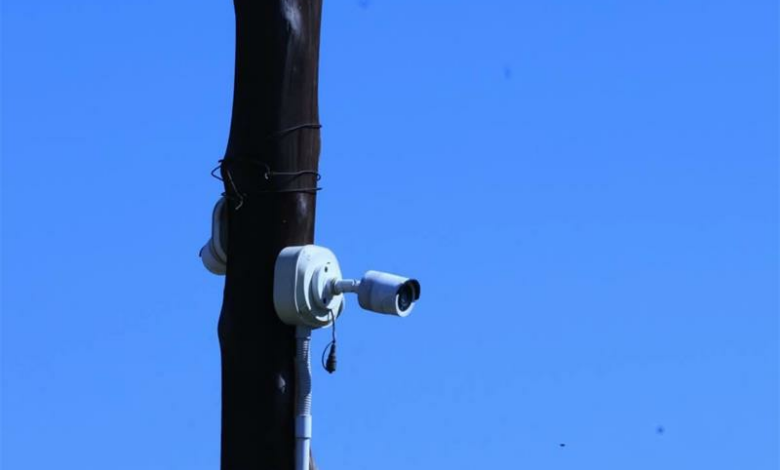
Ekurhuleni residents and businesses have been advised to hold off on registering privately owned CCTV cameras until the municipality clarifies the legal authority behind its demands.
Civil society group the Organisation Undoing Tax Abuse (Outa) has challenged the City of Ekurhuleni’s CCTV registration initiative, questioning whether the municipality can legally compel property owners to register their surveillance equipment.
The development follows the city’s announcement that it is conducting an assessment and verification exercise of CCTV cameras installed across Ekurhuleni.
In its initial notice, the municipality urged residents, businesses, community organisations and other stakeholders who own, operate or manage CCTV cameras to submit information about their cameras’ locations, ownership, management and purpose.
The city said the exercise was intended to promote responsible surveillance, protect community privacy and strengthen safety and security. However, Outa has raised concerns about the legal basis for the registration requirement. According to Outa, the city has set Friday, November 27.
Outa reportedly approached city manager Kagiso Lerutla and executive mayor Nkosindiphile Xhakaza, requesting that the municipality identify the legislation or municipal by-law authorising compulsory registration and the removal of privately owned cameras.
Outa questions legal authority
Outa said it had examined the city’s CCTV Street Surveillance Policy and Code of Practice, approved by council on February 25, 2002, but could not identify a provision requiring the registration of cameras installed on private property.
The organisation also questioned whether the policy, which provides a framework for surveillance in public areas, could independently create binding registration obligations, penalties or powers to remove privately owned equipment.
“The city cannot threaten to remove people’s privately owned security equipment without clearly explaining which law gives it that power. These cameras are often installed because communities are trying to protect themselves against crime,” said Outa’s executive director of the Accountability Division, Stefanie Fick, in a statement.
Outa acknowledged the municipality’s role in regulating equipment installed on municipal property, within road reserves or connected to municipal monitoring systems. However, it argued that a privately owned camera capturing part of a street, pavement or neighbouring property does not, by itself, give the municipality authority to demand registration.
Call for clarity before deadline
Outa has called on the municipality to clarify whether the registration requirement applies to cameras installed entirely on private property, what enforcement measures, fees or penalties are envisaged, and whether the public was consulted.
The organisation also referred to Sections 156(2) and 162 of the Constitution, which deal with municipal by-law-making powers and the publication of by-laws in the provincial gazette.
It has given the city seven working days to respond in writing and called for the November 27 deadline to be suspended until the legal questions have been addressed. Outa has further urged the municipality not to remove privately owned cameras solely because they have not been registered unless it can demonstrate the necessary legal authority.
The organisation said it would consider the city’s response before deciding whether further action was necessary.
Residents question the initiative
The city’s initial announcement had already attracted considerable criticism on social media, with residents questioning the need for the registration exercise and expressing concerns about privacy, security and the municipality’s priorities.
Some questioned whether compiling information about privately owned surveillance cameras could create additional security risks, while others argued that greater attention should be given to tackling crime and addressing service-delivery problems.
The Alberton Record approached the City of Ekurhuleni for comment on Friday, November 20. However, at the time of publication, no comment had been received.