Afrika Tikkun’s disability and inclusion symposium unites communities
The symposium also heard how people living with disabilities crave independence and self-reliance in just the same way as able-bodied people.
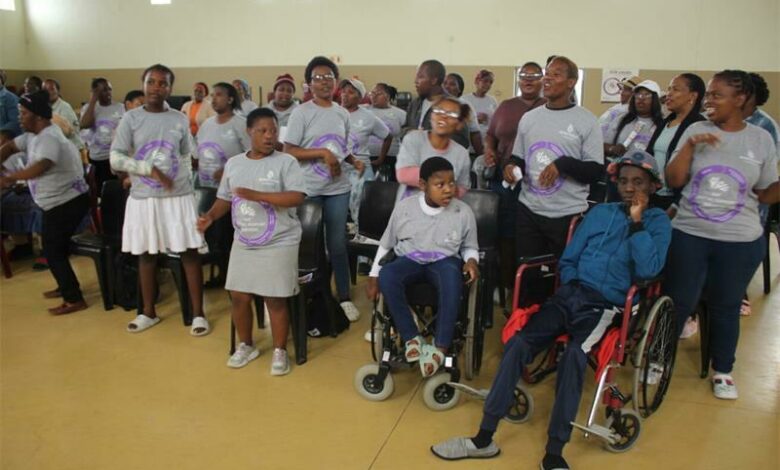
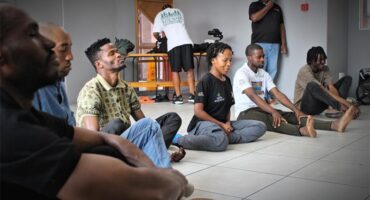
Afrika Tikkun, through its 360° Social Support Services programme (360° SSS), hosted its annual Disability and Inclusion Symposium, which kicked off in November at its Phuthaditjhaba Centre in Alexandra.
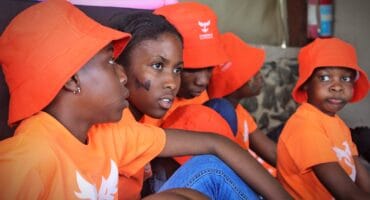
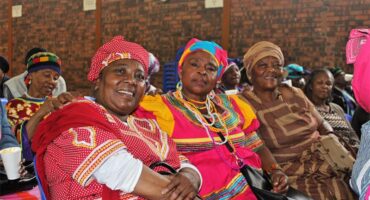
The symposiums were successfully hosted across all five centres, in Braampark, Diepsloot, Orange Farm and Mfuleni in the Western Cape. It brought together community members, caregivers, and people with disabilities, experts, and advocates to address and break down barriers faced by people with disabilities.
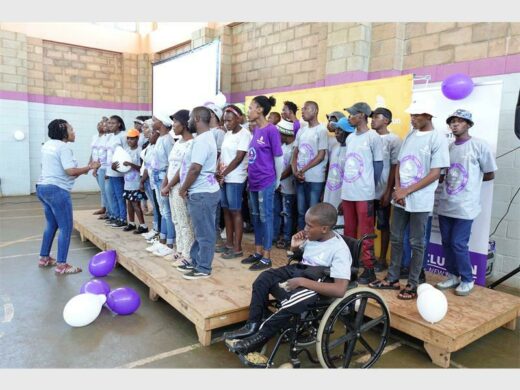
The symposiums serve as a platform for dialogue, education, and collaborative action, reinforcing Afrika Tikkun’s commitment to fostering inclusive societies. Among the stakeholders represented were various arms of civil society, and representatives from the Department of Health, Social Development and Education that work closely with Afrika Tikkun’s 360° SSS programme.
Speakers and experts in the field of disability and inclusion delivered addresses and participated in panel discussions and they provided insights, guiding the conversation towards effective strategies for creating more inclusive communities.
A central feature of the symposiums was the spotlight on community voices and success stories. People with disabilities, caregivers, and community members shared their journeys, highlighting the transformative impact of Afrika Tikkun’s programmes on their lives.
Another theme that loomed large was that of independence and self-reliance, with people living with disabilities craving independence just as able-bodied people. Empowering stories and knowledge were shared on how people can start where they are with what they have to empower themselves financially.
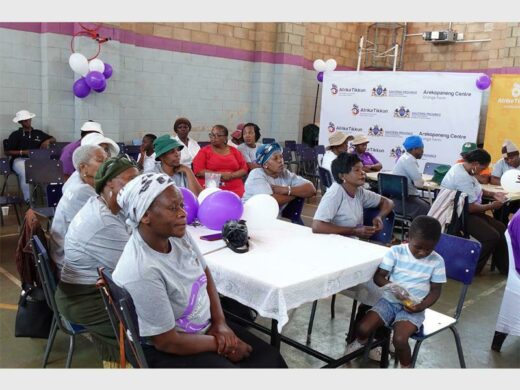
One such empowering initiative is the Clothes to Good project. The Clothes to Good project is aimed at providing an alternative stream of income for caregivers. Many caregivers are unable to work daily or regularly because of the high demands of caring for children and youth with disabilities.
Related Article: Not enough done to protect SA children, says Afrika Tikkun’s Marc Lubner