Alexandra campaign pushes HIV awareness ahead of World AIDS Day
City of Johannesburg and Uncedolwabantu joined forces to close the HIV treatment gap, trace those lost to HIV care, and break the silence around gender‑based violence in Alexandra.
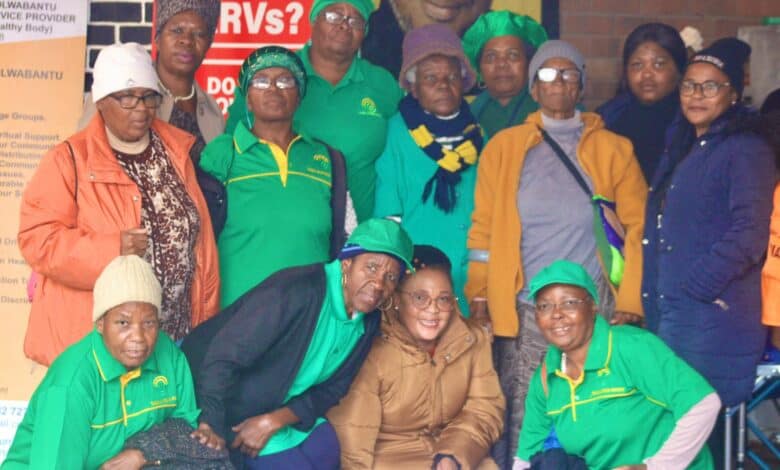
City of Johannesburg’s non-governmental organisations and Uncedolwabantu, alongside other organisations in Alexandra, joined forces to host an outreach event that combined HIV testing, treatment awareness, and education.
Hilda Phalama of Uncedolwabantu said the event forms part of the national 1.1m Close the Gap campaign.
“We want to reach the number of people who are HIV positive, and ensure that those who know their status continue with their medications,” she explained. She added that it serves as an outreach to encourage those who do not know their status to get tested.
Read more: CHOC urges Alexandra parents to be aware of early warning signs of childhood cancer
Phalama said that the initiative contributes to the country’s ongoing efforts to end the AIDS epidemic by 2030.
Nomsa Sibaya, chairperson of the NGO Sector, noted that the programme also builds momentum toward World AIDS Day on December 1. “We are trying to trace all the people who were lost to HIV care,” she said. “At the moment, we are reaching out to those who tested positive but are not taking medication.”
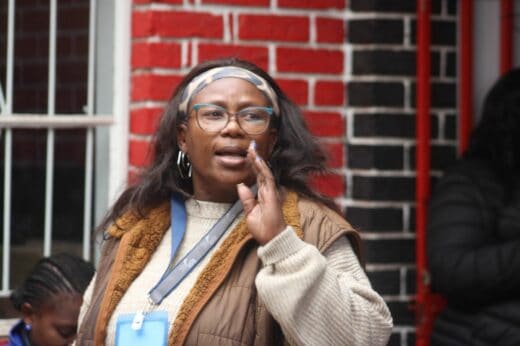
Sibaya stressed that the outreach targets both women and men. Among the invited stakeholders were Gender‑Based Violence Brigades, known for supporting victims of GBV and raising awareness in communities.
GBV Brigades’ Lizzy Sithole stressed that GBV in Alexandra is a pressing matter. “We have children from the ages of two to 22 who are sexually assaulted,” she said. Siyaba echoed the same sentiments, noting that it has become even more important to educate people not only about GBV but also about protecting themselves from HIV.
“GBV doesn’t only affect women, but men also. Men are mostly silent, so we are breaking the silence,” she said. “Even men are sexually assaulted, but they keep quiet. We also want them to take PrEP [medicine taken by people who do not have HIV to greatly reduce their risk of becoming infected] so they can be safe.”
Also read: Gauteng health calls on residents to end drug abuse
She further highlighted the high number of teenage pregnancies, which signals unsafe sexual practices, and said the programme aims to reach young people as well.
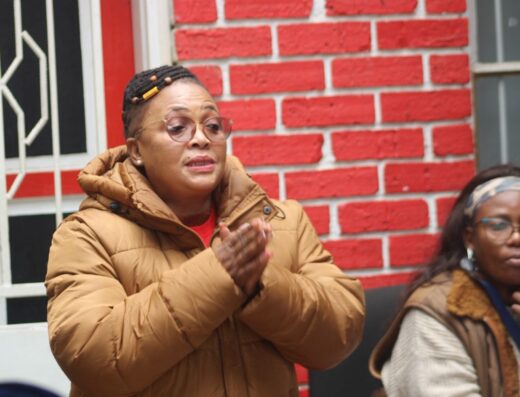
At the heart of the event is not only closing the gap but also preventing further spread of HIV by equipping people with information and resources to stay safe. Tebogo Somo from Sanca added that unprotected sex, which puts one at risk of contracting sexually transmitted infections and HIV, is often linked to substance use. This includes the use of alcohol.
She explained that intoxication often leads to reckless behaviour. “You might fall pregnant because you are drunk, and tomorrow you’d be surprised that you are HIV positive.”
Sibaya urged people to join NGOs to be equipped with the information they need to be safe.
Follow us on our Whatsapp channel, Facebook, X, Instagram and TikTok for the latest updates!