Gauteng social development MEC hands over clothes in Edenvale
Gauteng strengthens homelessness interventions as it aims to move beneficiaries from streets to stability.
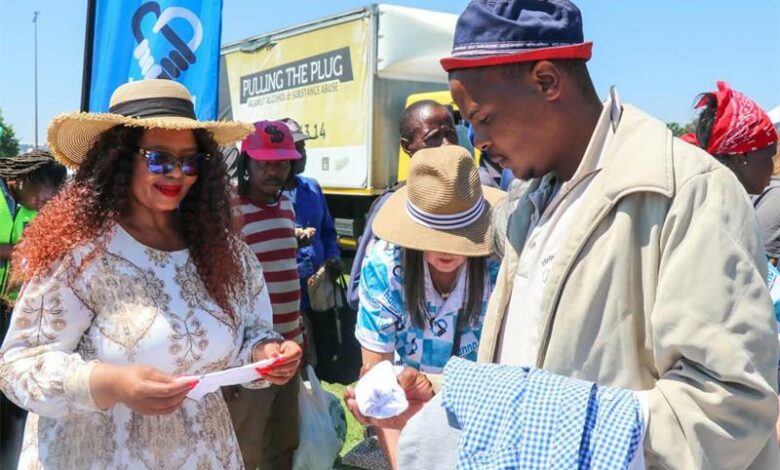
Gauteng Social Development MEC Nomantu Nkomo-Ralehoko commemorated World Homeless Day on October 10 by handing over pre-loved clothes to homeless people in Edenvale.
To mark the day, the Gauteng Department of Social Development renewed its commitment to supporting people experiencing homelessness through shelter, social work services, psychosocial support, skills development, and programmes aimed at helping them rebuild their lives.
Homelessness is a complex social challenge, often linked to unemployment, family breakdown, substance abuse, poverty, and other difficult circumstances.
ALSO READ: Free medical outreach helps homeless and vulnerable people in Edenvale
The department vowed to continue working with municipalities, non-profit organisations (NPOs), and other stakeholders to reach people living on the streets and connect them with appropriate services.
Through its homelessness programme, the department supports shelters that provide temporary accommodation, daily meals, counselling, and assistance to help beneficiaries regain stability.
People are also linked to skills development and employment opportunities, substance abuse treatment, and family reunification services where appropriate.
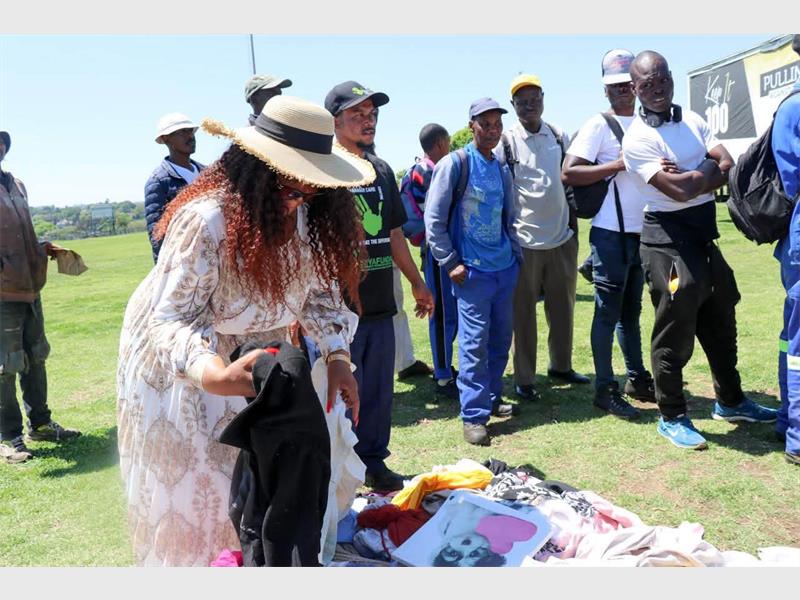
The department also conducts outreach programmes in areas where homeless people are found, engaging them about their circumstances and explaining the support available.
Mobile wash services provide access to showers, ablution facilities, and laundry services, helping restore dignity while social workers assess individual needs and facilitate referrals.
MEC Nkomo-Ralehoko said addressing homelessness requires compassion, sustained support, and cooperation across government and society.
ALSO READ: Surge in homeless population raises safety concerns in Edenvale
“Homelessness is not simply about a person having nowhere to sleep. Behind every person living on the streets is a story, and often a combination of challenges that providing a meal or a bed alone cannot resolve. We must listen to people, understand their circumstances, and connect them with services that can help them rebuild their lives,” said Nkomo-Ralehoko.
She added that the department’s interventions aim to provide more than temporary relief by creating pathways to stability, independence, and social reintegration.
“Through our shelters, outreach programmes, and partnerships with NPOs and municipalities, we want to ensure that people experiencing homelessness are treated with dignity and have access to the support they need. Where possible, we assist people to reconnect with their families, acquire skills, and explore opportunities to become self-reliant,” she said.
The department recognises that every person’s circumstances are different. While some beneficiaries may be ready to enter shelters immediately, others require continued engagement and support before accepting assistance.
Outreach teams therefore play an important role in building trust and helping people make informed decisions about the services available to them.
ALSO READ: EMPD helps homeless reunite with families
The Gauteng City Region Strategy on Street Adult Homelessness provides a framework for coordinated interventions, bringing together government departments, municipalities, and civil society to address the causes and consequences of homelessness.
“Restoring dignity begins with recognising the humanity of every person. Our responsibility is to ensure that people experiencing homelessness are not forgotten, but are given a fair opportunity to access support, rebuild their lives, and become part of their communities again,” said Nkomo-Ralehoko.