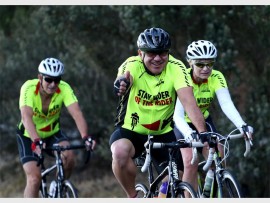
Cyclists can avoid being targeted
It is worth trying to minimise the risk of assault before it ever happens to you.
Depending on where and when you ride and your vulnerability, you may be exposed to some risk of assault or robbery while cycling.
The risk is often low but the impact is massive.
The fear can significantly reduce how much you use your bike.
It is worth trying to minimise the risk of assault before it ever happens to you.
“A typical assault on a cyclist is either before sunrise or after sunset, or when cyclists are isolated. It can also happen when there are only a few people in the immediate area,” said Mr Steven Hayward, the chairman of the Pedal Power Association.
“Thugs will generally choose a spot that provides limited escape options, where they can block your way and push you off your bicycle.
“Cycling, particularly at speed, can feel less exposed but unfortunately it is easy for criminals to push you off your bike, or grab you as to try to ride past or away,” said Mr Hayward.
The major increased risk factor over pedestrians is that your bike and any attached equipment, including cellular phones and wallets that are visible in a back pocket, are additional goods a criminal may find attractive to steal.
In most places, stealing bicycles is not heavily punished and the chances of being caught are low, unlike with car theft.
Tips to stay safe while cycling:
r In high risk circumstances, avoid strangers trying to stop or engage with you.
r Avoid groups of people loitering on the street, or spreading out in front of you.
r Pass wide if you can, and turn around if you are not feeling secure.
r If you are not riding from home, park your car in a place that will be safe when you pick your bike up.
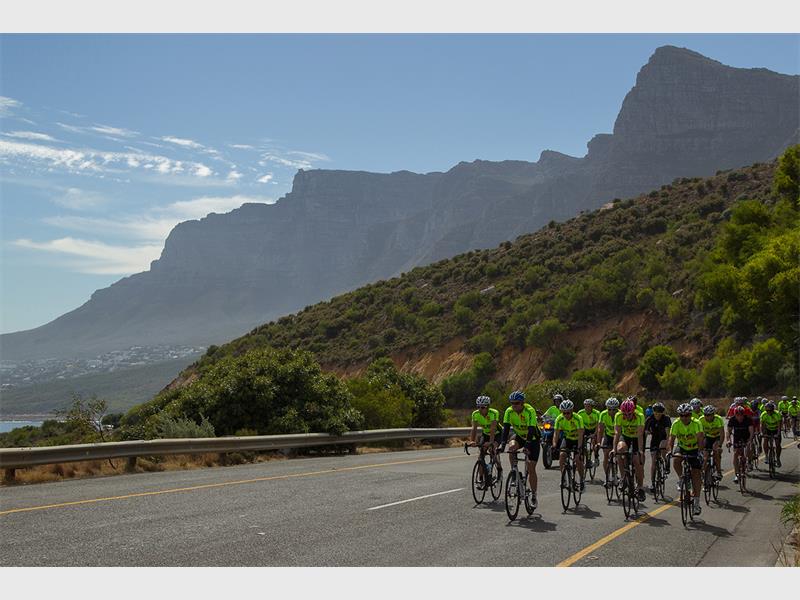
r Ride with other cyclists as there is safety in numbers.
r Research robbery and assault hotspots on your routes and avoid them. In all urban areas, there are always hotspots for crimes like robbery and assault.
r At night time, avoid riskier off-road routes and routes with dead zones.
r Cyclists are most vulnerable when unable to quickly turn around or take an alternate route.
r Evade people trying to stop you and practice emergency manoeuvres like hopping onto a pavement if necessary.
At minimum, it is worth practising quickly turning around and sprinting away, as this is a critical skill that makes the most difference in whether you can escape situations where people are trying to stop you or knock you off the bike.