‘Two-Step’ effects explained by local vet
The Benoni Animal Hospital has dealt with around 20 Aldicarb cases this year.
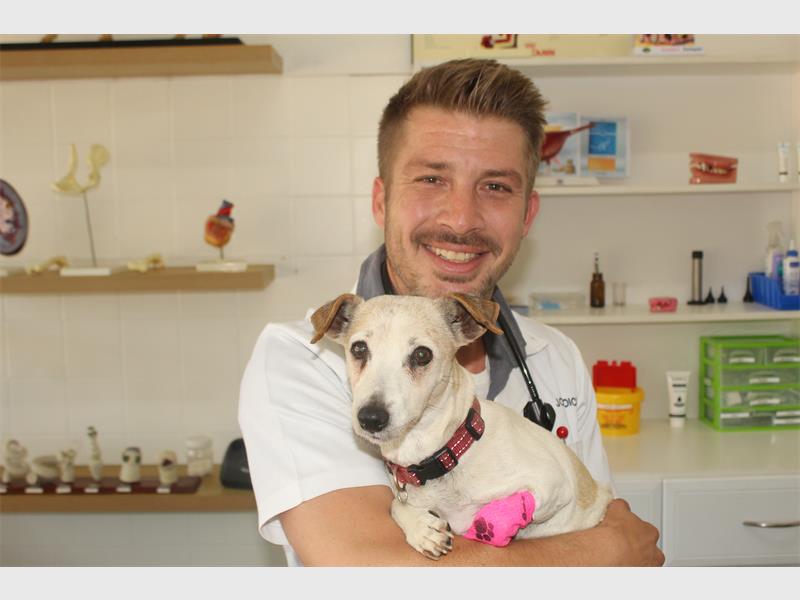
Dr Joe Toich, a veterinarian and owner of the Benoni Animal Hospital in Farrarmere, spoke to the City Times about Aldicarb, commonly known as Two-Step, which is used in dog poisonings.
“The official name for Two-Step is Temic or Aldicarb,” said Toich.
“Aldicarb is an agricultural toxin used under strict supervision in the farming industry as a means of pest control.
“It is legal only for this purpose, again only when closely controlled by farmers.
“However, it has reached the black market and made its way to urban areas, unregistered and uncontrolled, and is therefore illegal.
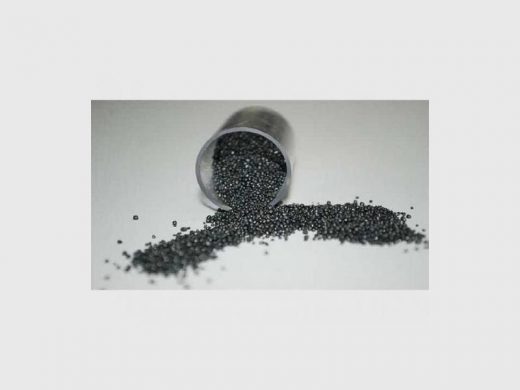
“Aldicarb can be described as a black/grey granular substance.
“It is generally stored in meats such as viennas, ham, borewors or any other foods the animal will find to be tasty.
“It affects the nervous system and pushes the body’s normal inhibitory neurotransmitters into overdrive.
“The result is over simulation to all nerves in the body.
“The poison also affects the muscles in the body, smooth muscles on the glands, cardiac muscles and nervous system.
“Once ingested and absorbed, symptoms of the drug’s effect occur within minutes.
“It is given the street name Two-Step as after being absorbed into the animal’s bloodstream, after taking just two steps the animal can collapse and die.
“Aldicarb is a very potent drug and approximately 25 to 50 per cent of animals that ingest it die even after implementing prompt treatment.
“It is not an easy death, and the animal ultimately dies from asphyxiation (lack of oxygen).”
Symptoms include:
• Consistent signs of muscle tremors (main sign). The animal’s muscles can physically be seen tremoring.
• Excessive salivation.
• Slow heart rate.
• Seizures followed by vomiting.
• Difficulty breathing.
• Diarrhoea.
“Do not touch the saliva of the animal as this is, at this point, poisonous as well.
“Exposure without protective covering such as gloves can lead to the health and safety risks of those who touch it so keep it away from other humans and animals.
“It is important to remember that vomiting alone may not imply toxins are present in the body.”
Action to take:
• Take the animal to the vet immediately; this is the only way to lower the risk of death. Every minute that the animal is left untreated is a minute the vet might have had to counter the poison; 24-hour vets are available.
• If the animal is showing signs of tremors and other neurological signs do not attempt to induce vomiting. At this point the animal has little to no neurological control of the throat. This can lead to aspiration pneumonia (liquid goes into the wrong tube and into the lungs). The animal can also choke.
• Be careful the saliva does not make contact with human skin or other animals that are around. The substance is highly hazardous.
Toich added that in his experience the main reason for poisonings is theft.
“If a poisoning occurs, someone is watching your home,” he said.
“Make sure while you are at the vet someone such as SAPS or a security company is watching your home.
“If an attempt is made on one dog, it is likely there may be more poison on your property or the surrounding area.
“If your neighbours have been affected, check your house as well.
“It is best to discard the poison immediately, anything that looks like a foreign object or is not something you placed in your yard should be disposed of.
“Your garden should also be checked for bait.”
In his six-year career, Toich has dealt with two cat poisonings.
“Cats can also be affected by Aldicarb, but to a lesser extent,” he said.
While incidents of dog poisonings have been reported on local crime groups, Benoni SAPS spokesperson Capt Nomsa Sekele said no recent incidents have been reported to the SAPS.
“We urge the community to report these incidents to us,” she said.