Hyacinth a growing concern
Gadebe added that there is no quick fix when dealing with water hyacinth.
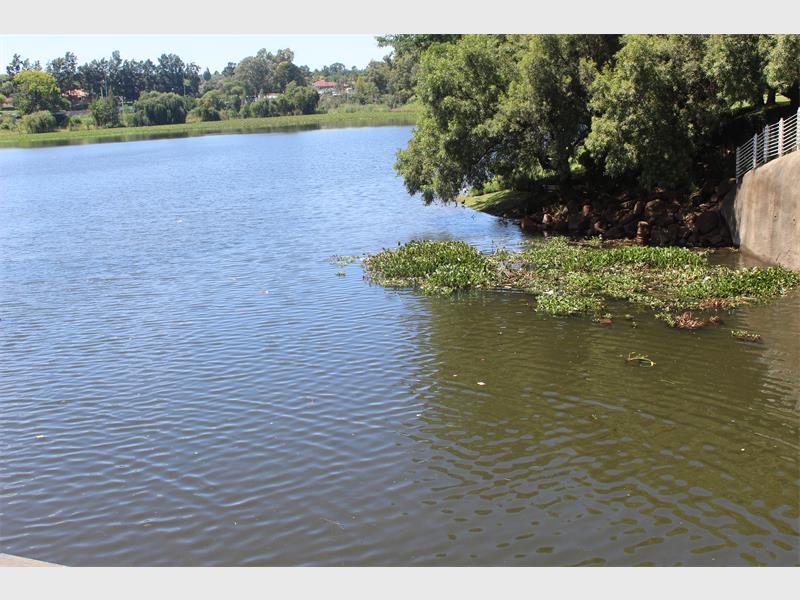
The Ekurhuleni metro stated that the hyacinth cover, particularly in Kleinfontein dam, will receive attention and by the end of the financial year, two harvesters will operate in the lakes and dams in the metro.
A harvester is a machine that cuts and collects water hyacinth and other types of weed and algae in one process.
According to the metro’s spokesperson Themba Gadebe, for the 2019/20 financial year, R5.4-million has been allocated for the maintenance of lakes and dams.
“This amount includes the four Benoni lakes.”
Benoni resident Derek Dingwall has raised his concerns regarding the lack of a permanent plan to keep the dams clear of hyacinth.
ALSO READ:
EMPD responds to Farrarmere resident’s complaints about vagrants and recyclers
“We have a history of employing contractors for short periods of time then letting them go.
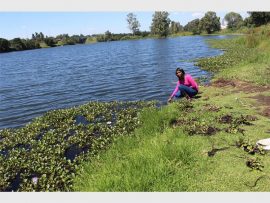
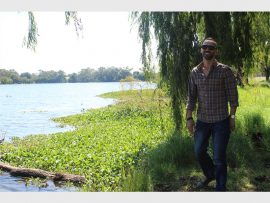
“Kleinfontein dam is almost covered in hyacinth and I think it needs a different plan of action from a committed council,” he said
Dingwall added that Homestead is clear due to the commitment of the residents of Alphen Park and Farrarmere and groups that use Homestead in partnership with the council.
“We will not allow Homestead to go the way Kleinfontein has been allowed to go.”
Gadebe said the metro is in the process of appointing service providers on an as-when-basis while working on long-term interventions in managing the water hyacinth infestation in all lakes and dams.
“The metro is also in the process of procuring more equipment that will assist in the management of alien-invasive vegetation.”
In an article written in January 2019 by the City Times, Gadebe stated that Kleinfontein dam is currently the most affected by the water hyacinth problem as it has about 30 per cent coverage.
“This dam was last cleared in April 2019, but requires mechanical clearing.”
Freda Steenkamp, who works at the Kleinfontein Lake office park, said she recalls the day they came to work.
She said the two machines worked there for a short period. She watched the one on water and one on land for one day outside her office.
“They started before I came to work (I start at 8am), and at 10am they stopped the machines and the operators walked away to return at 11am.
“They worked until 12.30pm and left again to return at 1pm and worked until 2pm, then they left with the machines.
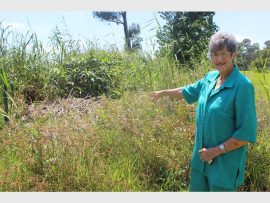
“They made four heaps in front of our building at the edge of the water and these heaps were never removed to this day,” she said
Steenkamp mentioned that this had made it difficult for the garden service to mow the grass and as a result, the piece of land that they try to keep the grass short has become smaller.
“I’m just worried about all the fish that are going to die in these dams which will cause a stench and become a health hazard.
“Is it not possible for you to send someone out to look into this and report for us in the paper as to what the Council is planning here?”
Gadebe said the control of water hyacinth must be understood in the context of how the plant proliferates.
“It should be understood that the most invasive plant is capable of doubling in a matter of weeks and the seeds are able to stay in the sediments for two decades.
“Whilst having more personnel can contribute positively to attaining a sustainable solution for the control and management of water hyacinth will therefore not only be dependent on integrated control.
“This includes the use of physical, chemical as well as biological control.
“Furthermore, each water body will be allocated a service provider to ensure that the water hyacinth is kept under acceptable levels,” said Gadebe