#LazySundayRead: New wild iris species discovered
This new species discovery illustrates the importance of field botany and continuing the monitoring of plants
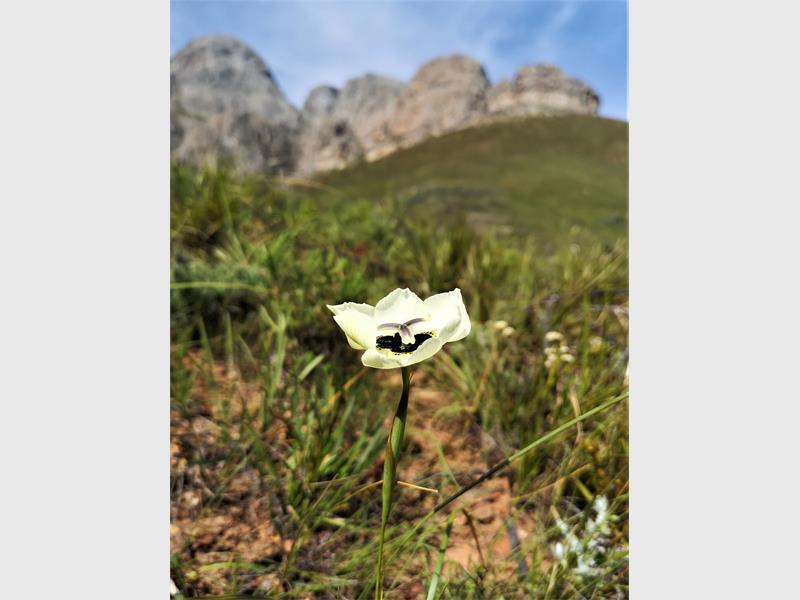
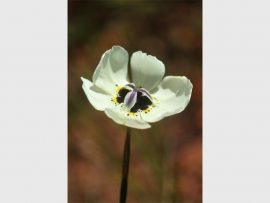
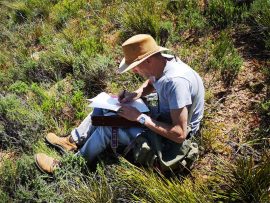
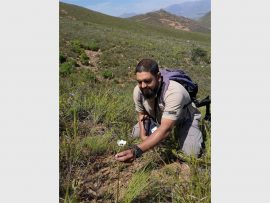
On October 27, Ismail Ebrahim, of the South African National Biodiversity Institute’s (SANBI) Custodians for Rare and Endangered Wildlife Programme was conducting vegetation surveys when he noticed an odd plant from a distance.
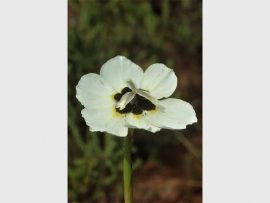
On approach he found that it was a very strange Moraea, known as the Cape tulips, and a genus of plants in the family Iridaceae.
As the plant was unrecognisable to Ebrahim, he sent an image of it to Iridaceae expert Dr John Manning who confirmed the species is undescribed, unique and had very interesting characteristics.
This new species discovery illustrates the importance of field botany and continuing the monitoring of plants.
“There are still many new species to be discovered and therefore we need to conserve the vegetation we have,” said Ebrahim.
“The Cape Floristic Region (CFR) is a world-renowned botanical hot spot and this discovery emphasises the unique nature of the CFR and extraordinary diversity.
“It is exceptionally special that there are still new species to be found and that there are plants that are so exquisite that has not been discovered yet.”
The vegetation surveys were being done to collect baseline data in order to assess the benefits of alien clearing in water catchments, including dominant and sensitive species occurring in a catchment that is invaded with black wattles (Acacia mearnsii).
It forms part of work to support the implementation of the SANBI-led Global Environment Facility 6 Project: Ecological Infrastructure for Water Security.
The alien clearing operations was due to commence this month (November).
ALSO READ: Gardening for pets: two plants that make cats and dogs happy
ALSO READ: Dealing with shade in the garden