
Hidden dangers at home pet parents should be aware of
Several plants are common in many gardens and houses around South Africa that pet parents may not know to present a danger to their cats and dogs.
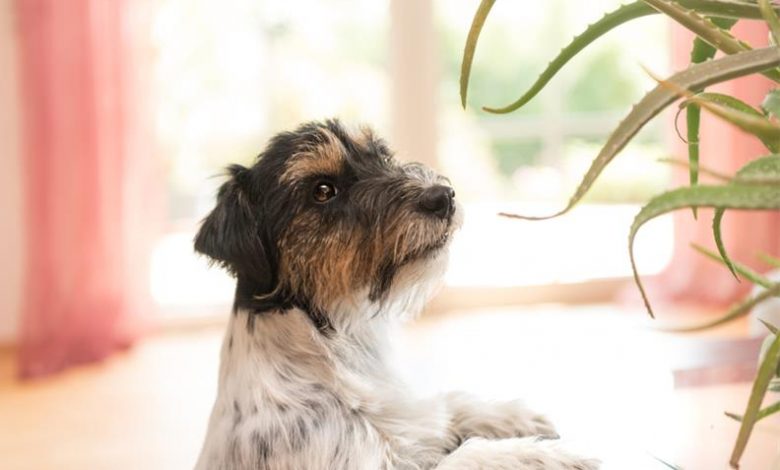
Pet parents know that taking care of their pets is a full-time commitment and no matter how hard we try to keep them safe, there are dangers that we may not be aware of.
ALSO READ: Road travelling with children and pets? Here are some tips
This is according to Dr Guy Fyvie, Hill’s Pet Nutrition’s veterinary advisor.
Pet parents are mostly aware of the common dangers, such as ensuring your dog can’t get out of your yard or home, that your cat isn’t able to wander at night and not keeping up to date with your dog or cat’s vaccinations.
But what about those hidden dangers that aren’t that obvious?
Fyvie provides easy tips to help all pet parents:
• Did you know raisins and grapes are poisonous to dogs and cats? And, if ingested in large enough measures can cause kidney failure? The number to be eaten to result in this is variable, so Fyvie says it is best to completely avoid these items.
• Several plants are common in many gardens and houses around South Africa that pet parents may not know to present a danger to their cats and dogs. Some of these are lilies, azalea, oleander, amaryllis, chrysanthemum, aloe vera, begonia, English ivy, hydrangea, tomato plants and delicious monsters.
Especially dangerous is the cycad and its seeds, which can cause liver failure even with very small doses. If you have a puppy going through their chewing phase or if they tend to eat plants, perhaps check with your local nursery, landscaper or vet to confirm what plants are safe or should be removed.
• All medicine and household cleaning supplies should be stored in a cupboard out of your pets’ reach or secured so that they can’t access them.
• Cockroaches, crickets and beetles can also be harmful to your pet as they may carry parasites or be toxic in themselves. Cat parents should be particularly aware as cats love bringing their pet parents gifts in all shapes and forms.
Many pets will react differently if they have ingested any of the above items.
Fyvie said common symptoms include vomiting, lethargy, muscle weakness, diarrhoea and loss of appetite.
“If you think your pet may have ingested any of the above or any other poisonous item, it is best to take them to your vet as soon as possible so that they can diagnose the cause and begin treatment.”
And just a reminder, as many pet parents celebrate Easter this weekend, chocolate (especially dark chocolate) is not good for your pets!
If you want to show your pets love, spending time with them, playing games, taking them for a walk and feeding healthy, nutritious food are all ways to do this.
ALSO READ: Here’s how many pets you may have without breaking the law