The Fourth Industrial Revolution is upon us and the world of work as we know it has changed.
Hence, exposing learners to career options and opportunities in the fields of science, technology, engineering and mathematics is crucial.
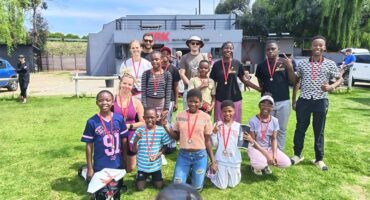
This was highlighted at the launch of the Robotics for Kasi initiative at Unisa’s Daveyton campus on October 27.
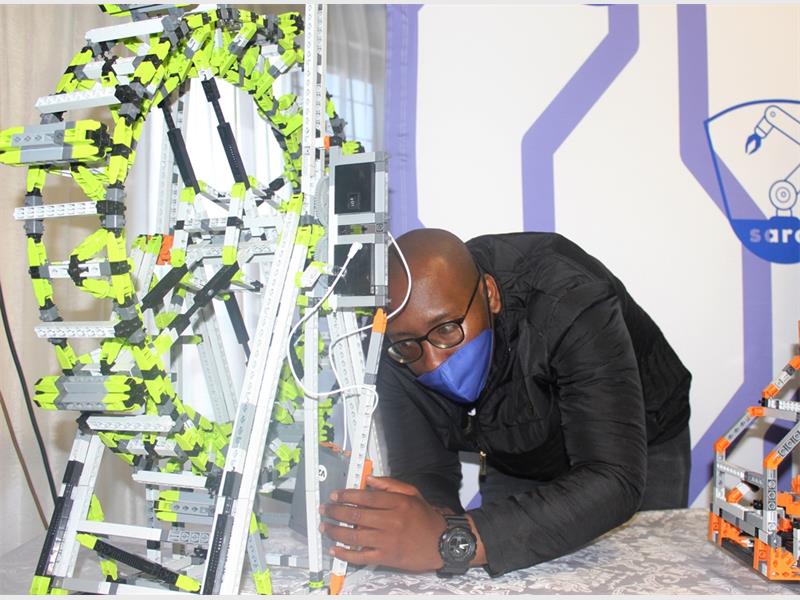
The launch was in partnership with the Gauteng Gambling Board (GGB) and the South African Robotic Clubs (Saroc) to train teachers from primary schools on robotics and coding.
About 116 teachers have been trained from Ekurhuleni and 106 robotic kits were donated to some of the schools through the efforts of the GGB.
ALSO READ:
Learnership recipients graduate from local academy
IJ Energy and technologies project manager Tshegofatso Poolo said they have been launching robotics as a mind sports activity, as robotics will now become an official curriculum within the schooling environment in South Africa.
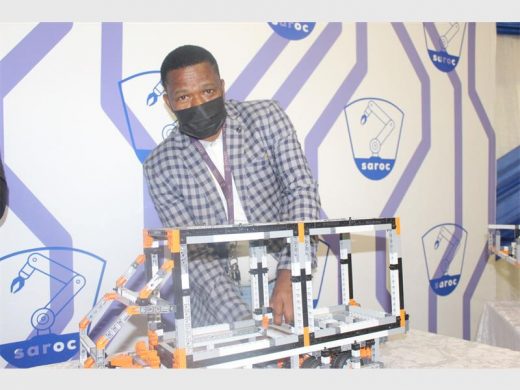
“To fast track that process to assist the Department of Education to reach more schools, we are focusing more on the sportification of robotics to have learners more comfortable and rectify the analogy that maths and science are complex whereas they just need one to think critically and apply problem-solving skills,” said Poolo.
“Through robotics as a mind sports activity, these are the skills they can deploy because our competition frameworks require learners to go to the communities and identify problems and develop a robotic originated solution to address the problem while driving the message of awareness of the Fourth Industrial Revolution in our country.”
Poolo said there is a complex appreciation from several societies about robots that they are there to take jobs and to cause an extension to human beings.
“We are trying to say robots are a man’s best friends. They are there to do the work that is rather detrimental to human beings’ health and are helping us to think critically, innovatively while advancing the national agenda towards developing science clubs in South Africa.
“Through the assistance from GGB, Saroc has managed to reach over 416 schools in Gauteng.
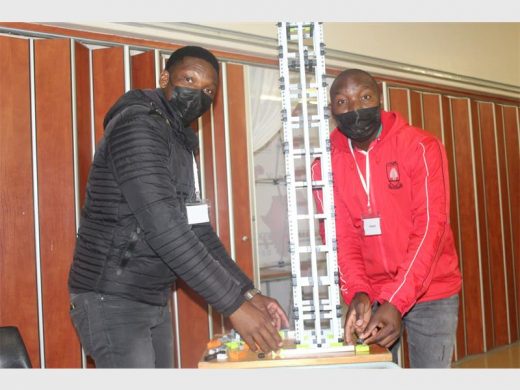
“We are hoping to get sponsors to help us grow this project into becoming a national initiative because we have seen that many learners haven’t been given a choice to go into sports that can help them earn an income.
“However, with the robotics as a sport, about 80 to 90% of the learners progress to study further and they are most likely to get an income.”
Poolo added that through the training, the teachers have started to appreciate technology for what it is.
A technology teacher from Thopodi Primary School in Etwatwa, Thoko Mkhwanazi, said she appreciates the training as it is an eye-opener and she has learned a lot about robotic and coding.
“Having robotics as a subject will allow learners to solve problems, create ideas that will develop their communities and also create their own employment,” said Mkhwanazi.
Another teacher from Gugulesizwe Primary School in Daveyton, Jabulani Thethwayo, said he is excited to share what he has learned from training with his learners.
“The school will be one of five that will be used as a pilot project to start robotics, hopefully, next year and this will be effective for the learners,” said Thethwayo.
ALSO READ:
How to nature a love for reading in your child