Underneath our skin there is a person – Albinism Society of South Africa
The month of September is Albinism Awareness Month.
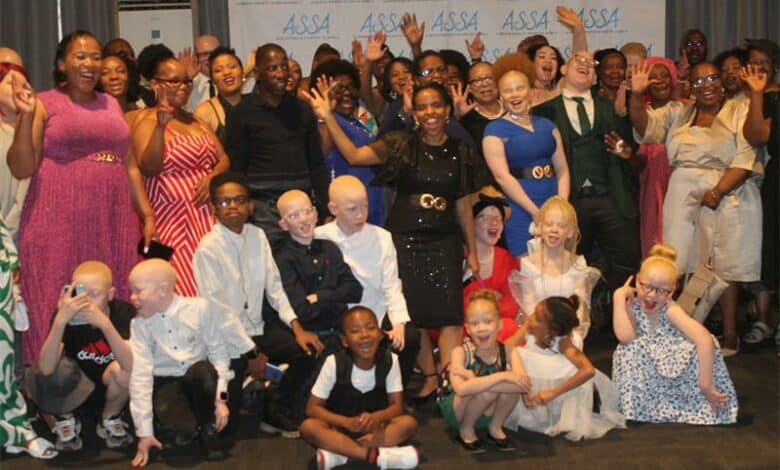
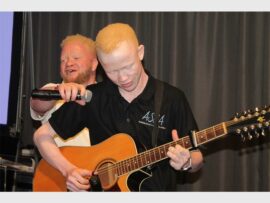
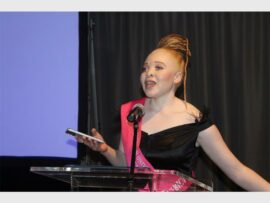
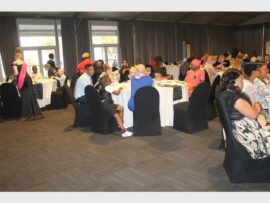
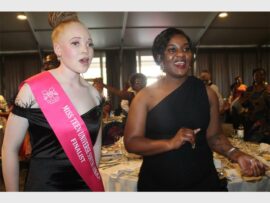
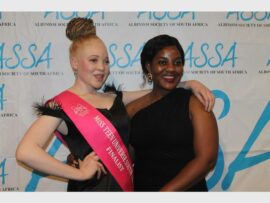
The Albinism Society of South Africa (ASSA) recently hosted a fundraising gala dinner at Birchwood Hotel to commemorate Albinism Awareness Month, observed annually in September.
The event was a powerful gathering of voices, united in the fight for equality, awareness, and inclusion. It served as a platform to address challenges faced by those with albinism, such as stigmatisation, discrimination, and health and social factors.
The awareness event brought together the society’s supporters, parents and individuals with albinism.
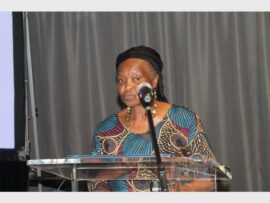
Dr Khutso Kekana Ledwaba, a doctor from Thembisa Hospital, presented insights on albinism.
She said the two main types of albinism are oculocutaneous (the most common type, affecting the skin, hair, and eyes) and ocular albinism (a rarer type mainly affecting the eyes).
She added that most types of albinism are inherited as an autosomal recessive but some are X-linked recessive.

“In autosomal recessive, most types of albinism are inherited when an individual receives the albinism gene from both parents. If the parents are carriers, the child has a 25% chance of being completely normal, a 50% chance of being a carrier, and a 25% chance of getting albinism.”
Ledwaba said the growth, development, and intellectual development in a child with albinism are normal, while their vision is invariably severely impaired.
“Albinism does not affect the expected lifespan. People with albinism may be limited in their activities because they cannot tolerate the sun.

“People with albinism must have their eyes and skin protected from the sun. Their skin can be protected with sunscreen creams and they must wear special UV protective clothing to reduce sunburn risk.
Many children will need to wear prescription glasses or lenses, which can provide improvements in their vision,” said Ledwaba.
Speaking about vitiligo, Ledwaba said it is a skin disease that causes the loss of skin colour in blotches and it occurs when pigment-producing cells die or stop functioning.
She said globally, about 1% of the population has vitiligo and treatment is not necessary but is available if one doesn’t like the changes to their skin tone.
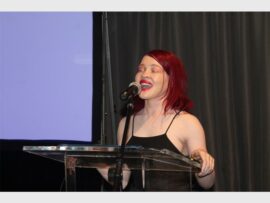
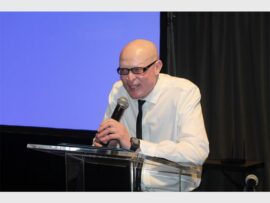
Soweto resident and ASSA activist, Lerato Mekgwe, shared her personal story of resilience and hope as she emphasised everyone has the right to live without fear or discrimination, regardless of their appearance.

She touched on breaking harmful myths associated with albinism and encouraged people living with albinism to be proud of themselves.
Mekgwe also called for better access to healthcare and inclusive opportunities for people with albinism.
“There is nothing wrong with our brains. We want people to know that underneath our skin there is a person who has emotions and feelings,” said Mekgwe.
Also Read: Awareness is key in fighting the stigma of albinism
Also Read: ASSA empowers people living with albinism through workshop
Gallery: