
WATCH: Metro defends growing Bunny Park animal population
The metro reaffirms its commitment responsible animal care at the Bunny Park.
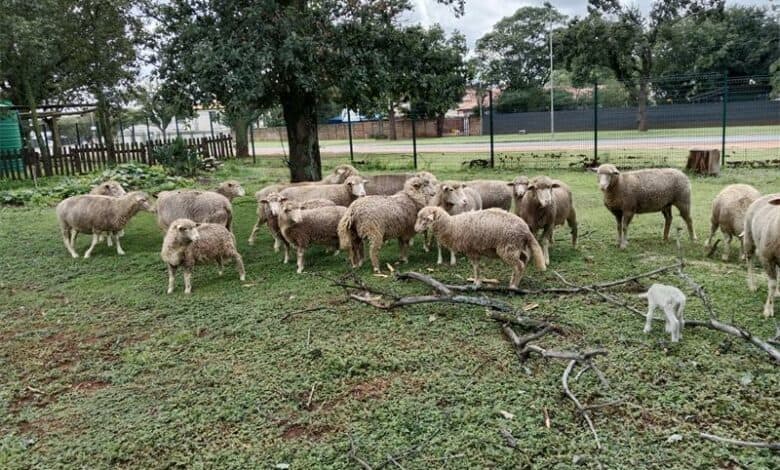
Visitors to the Bunny Park have once against raised concerns over the growing population of goats and sheep being housed at the municipal facility.
Benoni City Times recently visited the park and found employees of the City of Ekurhuleni’s parks and cemeteries division working to mend broken fences and remove uprooted trees.
“We suffered some structural damage due to the higher-than-usual rainfall,” said one employee, who wished to remain anonymous.
“Fallen branches and uprooted trees are being removed and fences are being repaired to ensure that the animal enclosures are adequately secured.”
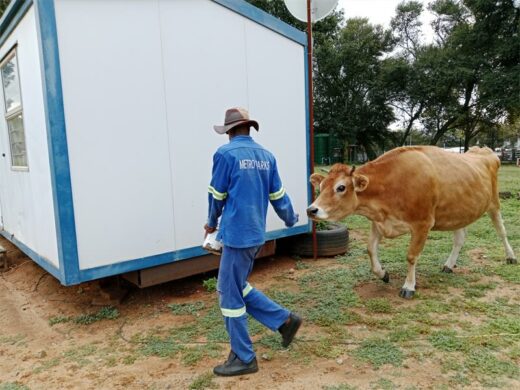
With a whistle, one of the animal handlers signalled a lone cow to return to her paddock, which prompted herds of some 30 goats and 20 sheep, including a lamb, to follow.
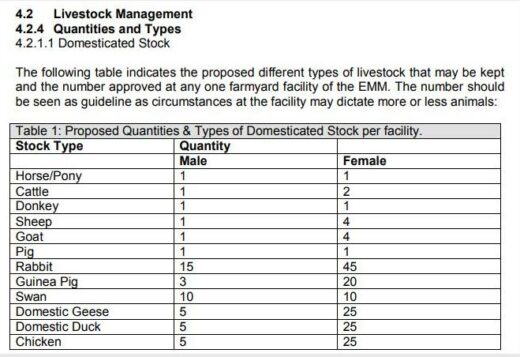
According to the CoE’s livestock policy for municipal farmyard facilities, the Bunny Park may house up to five goats (one billy and four nanny goats) and five sheep (one ram and four ewes).
Zweli Dlamini, CoE spokesperson, defended the current herd numbers saying that policy figures are not rigid limits, but rather flexible benchmarks dictated by spatial capacity, animal welfare considerations and seasonal dynamics.
“The actual number of animals at the Bunny Park may temporarily vary and is determined by factors including educational programmes or livestock rotation schedules across the city’s various facilities,” he said.
“The presence of additional goats and sheep at the park reflects the city’s careful and strategic livestock management approach.”
Quoting the policy for the keeping of livestock (section 4.2.5.1 and 4.4.1), Dlamini said limited breeding is permitted for educational purposes and that current herd levels at the Bunny Park are aligned with the livestock programme, particularly to support genetic rotation to avoid inbreeding.
“The CoE is actively involved in a livestock improvement programme that includes strategic breeding as well as periodic acquisition of new animals,” he said.
“This ensures healthy, genetically diverse populations in our farmyards and game reserves.”
He explained that the park plays a key role in the CoE’s environmental education offering, part of which involves demonstrating sustainable animal husbandry practices to the public.
“In the interests of education, livestock will be allowed to breed within limitations,” he said.
“This allows visitors, especially the youth, to interact with animals in a real-life context and understanding the principles of responsible animal care.”
Dlamini further emphasised that herd growth is closely monitored and managed within the broader context of planned animal welfare, public engagement and gene pool management.
In the event of the livestock population exceeding the recommended guideline numbers, procedures outlined in section 4.3 of the livestock policy must be implemented.
“Through regular assessments, excess livestock is identified and earmarked for disposal via approved mechanisms, such as public auction, donation or relocation to other municipal facilities,” he said.
He confirmed that no public auction for the sale of animals was conducted during the 2023/24 financial year however, planning for the 2024/25 livestock auction is underway, by the Municipal Finance Management Act (MFMA) and the EMM Supply Chain Management Policy.
“Once the auction dates have been confirmed animals identified to be part of the sale will remain in the care of the municipally owned parks,” said Dlamini.
ALSO READ: ‘Dystopian’ Bunny Park website developers say it’s in the name of conservation and education
ALSO READ: Concerns of breeding of animals at the Bunny Park