
FOLLOW-UP: CoE responds to Actonville housing protest
Following a protest over poor living conditions, the City of Ekurhuleni says repairs are under way, but residents argue that the rental model traps them in a cycle of debt.
Spokesperson for the City of Ekurhuleni (CoE), Zweli Dlamini, said in a response to concerns raised by Actonville residents that maintenance is ongoing.
Dlamini said the Department of Human Settlements is committed to ensuring all municipal rental stock remains safe and habitable through regular infrastructure maintenance.
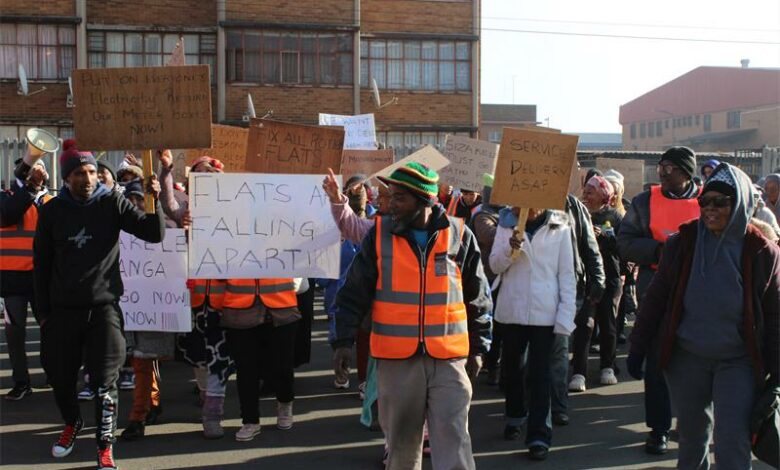
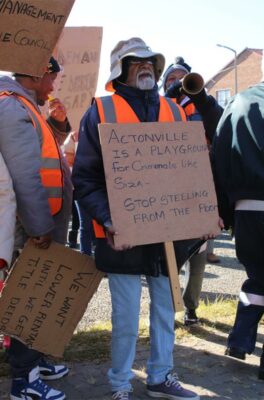
The statement comes after residents from 11 council-owned apartment blocks in Actonville peacefully protested on June 11 against what they described as years of neglect, escalating rental fees, and the marginalisation of the poor.
Dlamini confirmed that the total accumulated outstanding debt for the 11 complexes exceeds R15.9m.
He said municipal contractors were dispatched on June 12 to begin addressing service issues. These included renovations to seven vacant units and the reinforcement of loose guard rails.
“Work on the complexes is carried out within the limits of the approved budget,” said Dlamini, adding that plumbing repairs will be scheduled during the 2025/2026 financial year, beginning in July.
Subsidised rentals explained
Responding to allegations of unethical rental fees, Dlamini explained that council-owned units are leased at subsidised rates to individuals who qualify under the social housing programme.
“These are clients who cannot afford open-market rental tariffs,” he said.
“Rental fees are calculated using an income-based model, aligned with council housing policy. Qualification requires a joint monthly household income between R800 and R3,500, along with certified proof of income.”
Dlamini encouraged tenants to report any changes to household income so that rental amounts can be adjusted accordingly.
Residents say system is broken
However, many residents argue that the income-based system is flawed and contributes to long-term financial hardship.
Neermela Singh, a long-term resident of Karachi Court, said her rent is calculated based on her state pension and the Sassa child support grants received for her grandchildren.
“Those grants are meant for the children’s school fees and nutrition,” she said. “Instead, nearly every cent goes to rent. The city is taking what government gave us to care for the kids.”
Pamela Parmal echoed the frustration, saying residents are forced to choose between paying rent and buying food.
“Surely it makes more sense to set rental prices based on unit size, not income. In the private sector, rent is linked to property size and location, not how much a tenant earns. Why is it different here?”
A cycle of debt
Seresh Ramsamy, who lives in Delhi Court, said the current system leaves residents trapped in debt.
“Every time they increase the rent, more of us fall behind,” he said. “It’s an endless cycle. There’s no way to move forward.”
ALSO READ: WATCH: Actonville residents protest as metro raises rent, neglects housing
ALSO READ: FOLLOW-UP: Tenants of council-owned flats want deeds