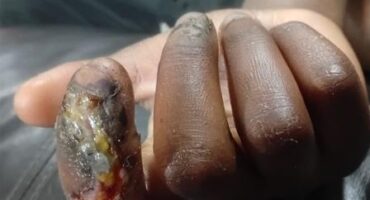
A silent killer: The rise in organophosphate poisoning among youth
Organophosphate poisoning, a silent killer of youth

According to Maron Mwape, chief physiotherapist at Far East Rand Hospital in Springs, organophosphate poisoning is becoming a silent killer among Gauteng’s youth.
Organophosphates are a class of chemicals commonly used as agricultural insecticides. They work by inhibiting acetylcholinesterase, an enzyme essential for nerve function. While effective against pests, they are highly toxic to humans—especially when misused or ingested. Symptoms can appear within minutes to hours and include excessive salivation, diarrhoea, and, in severe cases, respiratory failure and death.
Mwape believes organophosphate poisoning is more than a toxicological crisis—it’s a societal cry for help.
“Behind every case,” he says, “there’s often a deeper issue,” such as:
• Emotional neglect
• Broken family dynamics
• Social media pressure
• Academic stress
• Romantic trauma
• Unemployment and poverty
“Sadly, organophosphates offer a ‘quick exit’ that’s far too accessible,” Mwape warns.
“Many teens aren’t even trying to die. They take small amounts out of distress or to get attention, not realising how quickly these chemicals can shut down vital organs.”
Despite regulations and bans, illegal sales persist. “These substances are often sold in unmarked containers, increasing the risk of accidental ingestion—particularly among children and teenagers.”
Common sources of these poisons include:
Spaza shops: Sold informally as rodent killers, often with no labels or safety instructions.
Street vendors: Packaged in plastic sachets, sold for as little as R10.
Market stalls: Found in areas such as Germiston, Daveyton, Katlehong, and Springs.
Online black markets: Advertised on WhatsApp and social media under dangerous codes like “quick relief” or “final dose.”
Four Real-life ICU cases at Far East Rand Hospital
(Names changed to protect privacy)
1. Lunga (17): “She dumped me, so I gave up.”
Lunga, a Grade 11 learner from Daveyton, ingested rat poison bought from a street vendor after his girlfriend broke up with him. “I thought if I die, maybe she’ll cry for me,” he later said. He was admitted in respiratory distress, clothes soaked in vomit, pupils constricted. He spent 48 hours on a ventilator and is now receiving psychological care.
2. Tshepiso (16): “My mother said I was a failure.”
After a heated argument about her school performance, Tshepiso from Kwa-Thema swallowed a cockroach pesticide she took from a neighbour’s home. Found unconscious by her younger sister, she was rushed to hospital. Though stabilised, she suffered neurological damage and now requires ongoing physiotherapy.
3. Kabelo (18): “I’m tired of being broke and hopeless.”
After a year of unsuccessful job hunting post-matric, Kabelo from Tsakane ingested poison, leaving a note: “No job. No future. No point.” He was found collapsed by a neighbour. Although he survived, his kidneys were severely damaged due to delayed treatment and he now undergoes dialysis twice weekly.
4. Mbali (15): Unknown motive
Mbali, a bright and cheerful teen from Springs, ingested poison hidden in her schoolbag one afternoon. Her parents say there were no warning signs. She collapsed in the kitchen and never regained consciousness. Her motive remains unknown, leaving her family in anguish and confusion.
Long-term effects
Mwape stresses that survival does not mean recovery.
“At one Gauteng facility, we’ve seen a worrying increase in long-term complications among survivors of organophosphate poisoning,” he says.
ALSO READ: Brentwood Park teen’s Rotary exchange dream hinges on host family
Common impairments include:
• Generalised muscle weakness
• Chronic tremors
• Reduced coordination
• Partial paralysis
• Brain hypoxia from oxygen deprivation, leading to memory loss, cognitive slowing, and difficulty concentrating.
In some cases, the damage is irreversible.
Rehabilitation and recovery
Rehabilitation is intensive and multidisciplinary:
Physiotherapy for strength and mobility
Speech therapy for communication and swallowing
Psychological support for trauma and anxiety
“In severe cases,” Mwape explains, “patients are left bedridden or cognitively impaired, requiring full-time care and special education support. This is no longer just a toxicology issue—it’s a growing rehabilitation and disability burden on our already strained public healthcare system.”
What to watch for
Parents, teachers, and guardians should be alert to early signs of ingestion, including:
• Excessive drooling or tearing
• Vomiting or diarrhoea
• Muscle twitching
• Confusion or erratic behaviour
• Difficulty breathing or shallow respiration
• Small (pinpoint) pupils
If you notice these symptoms, seek emergency medical help immediately.
A call to action
Mwape concludes that the rise in organophosphate poisoning demands urgent intervention.
“We need nationwide awareness campaigns to educate communities about the dangers of these substances. Law enforcement must clamp down on illegal sales, and healthcare workers need ongoing training to recognise and treat poisoning cases effectively.
“But above all, parents and caregivers must engage with their teenagers. Ask the hard questions. Check in, even if it’s uncomfortable.
“This is more than a health crisis—it’s a cry from a generation. The deaths, ICU stays, and disabilities are preventable—if we act together, and fast.
“As healthcare workers, we can resuscitate lungs. But resuscitating hope and dignity? That’s a job for all of society.”
ALSO READ: Premier League clubs show interest in Benoni teen