
First aid kits, here’s what you should pack
Regularly check you first aid-kit to ensure it is well stocked and that none of the items have expired.
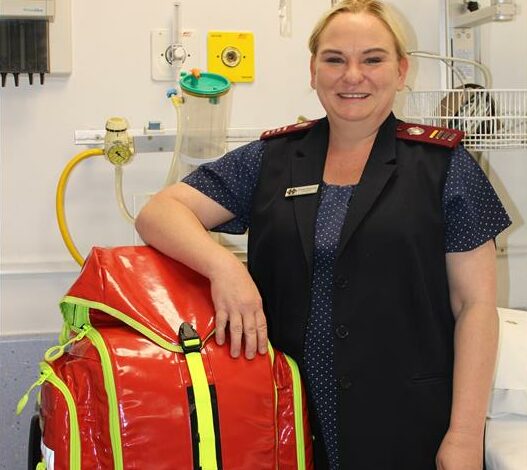
Whether you are preparing to enjoy the Easter break or at home, a fully stocked first aid kit should always be close at hand for life’s unexpected upheavals.
From insect bites to midnight tummy aches, Claudia Robinson, Netcare Linmed’s Emergency Department unit manager, says these are the items every first aid kit should contain:
• Emergency numbers
Netcare 911’s emergency response number, 082 911, now offers two new features to better assist in emergencies.
First is an SMS function which allows callers to correspond with call-takers in situations where the individual is unable to speak.
The second function comes in the form of video calling.
“When switching to video call, paramedics can assess the situation, thus guiding the caller through first aid procedures such as cardiopulmonary resuscitation (CPR),” said Robinson.
“Paramedics will stay on the line until an ambulance arrives at the callers’ location.”
• Medication for pain and fever
Ensure that medications are age-appropriate and that the prescribed doses are administered.
• Local anaesthetic cream to treat insect bites, such as bee stings
ALSO READ: WATCH: Hospital presses the importance of CPR
• Good quality ointment to treat burns
• Antihistamine tablets and syrup to treat allergies and allergic reactions
• Various sizes of plasters, antiseptic solution, and antiseptic cream
• Sunscreen as well as after-sun lotion
• Medications to treat diarrhoea, vomiting, as well as electrolytes to guard against dehydration
“No matter where you go, ensure that you know where the nearest hospital is located,” said Robinson.
“Most importantly, remain calm, assess the situation and if in doubt, enlist the help of professional healthcare workers immediately.”
ALSO READ: Retired swimming coach reiterates the importance of water safety